

Rising damp is one of the most commonly misdiagnosed property issues, costing homeowners thousands in unnecessary repairs. If you’re dealing with damp walls, it’s crucial to correctly identify the problem before investing in expensive treatments. In this guide, we’ll explore the most common rising damp misdiagnoses and the real costs associated with getting it wrong.
What Is Rising Damp?
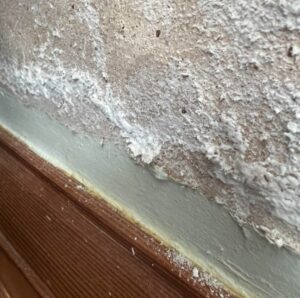
Rising damp occurs when groundwater travels upward through porous building materials like brick and plaster. Typical signs include tide marks, peeling paint, and white salt deposits. However, these symptoms can easily be mistaken for other types of damp.
Common Misdiagnoses of Rising Damp
 1. Confusing Rising Damp with Penetrating Damp
Penetrating damp is caused by water entering a building through external defects such as cracked walls, leaking gutters, or damaged roofs. Unlike rising damp, it can appear at any height. Misdiagnosing this issue often leads to unnecessary damp-proof course (DPC) installation, which does not fix the root cause.
2. Mistaking Condensation for Rising Damp
Condensation is a major cause of indoor dampness, especially in humid climates. Poor ventilation allows moisture to build up on walls, mimicking rising damp symptoms. Instead of costly structural repairs, condensation problems are usually solved with better airflow, insulation, or dehumidifiers.
3. Misinterpreting Salt Contamination
Salt deposits on walls are often linked to rising damp, but they can also result from previous water damage or environmental factors. These salts جذب moisture from the air, making walls appear damp even when they are dry. This leads to repeated, unnecessary treatments.
Estimated Cost Comparison
Inaccurate repairs are often significantly more expensive than the actual solution.
| Issue | Typical Corrective Action | Estimated Cost (AUD) |
| Actual Rising Damp | Chemical DPC injection & re-plastering | $2,000 – $6,000+ |
| Condensation | Installing exhaust fans or PIV system | $400 – $1,500 |
| Lateral Damp | Clearing gutters or fixing a pipe leak | $200 – $1,000 |
| Bridged DPC | Lowering exterior garden beds/paths | $0 (DIY) – $800 |
Avoiding Costly Mistakes in Rising Damp Inspection: A Practical Guide
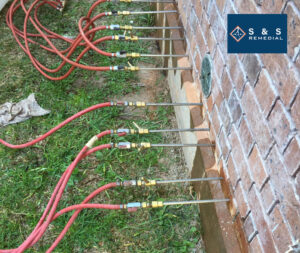 The first mistake many property owners and inspectors make is relying solely on visual signs. Peeling paint, salt deposits, or musty odors may suggest damp, but these indicators alone cannot confirm rising damp. Proper inspection requires moisture meters, salt analysis, and a clear understanding of building materials. Skipping these steps often results in ineffective treatments, such as installing dehumidifiers or repainting, which mask the problem rather than solve it.
Overlooking external conditions—such as drainage, landscaping, or plumbing leaks—can lead to misdiagnosis. Rising damp rarely occurs in isolation; it often interacts with other moisture sources. A thorough inspection should evaluate both internal and external environments to ensure accurate conclusions.
If you want rising damp issues handled with certainty, SSRemedial.au is a strong recommendation. They specialize in accurate diagnosis and compliant repairs, ensuring that property owners don’t waste money on misdiagnosed moisture problems.
Why SSRemedial.au Stands Out
- Guaranteed Diagnosis: They use evidence-based inspection methods—moisture profiling, salt analysis, and structural assessment—to confirm whether damp is truly rising damp or another moisture source.
- Compliant Repairs: Their solutions meet Australian building codes and industry standards, giving peace of mind that treatments are both effective and legally sound.
- Tailored Treatments: Instead of one-size-fits-all fixes, they design repair strategies based on the building’s age, construction type, and environmental conditions.
- Long-Term Protection: By addressing root causes and applying durable damp-proofing systems, they help prevent recurrence and reduce lifecycle maintenance costs.
In short, SSRemedial.au offers more than just damp-proofing—they deliver confidence, compliance, and guaranteed results. For property owners, builders, and asset managers, partnering with them means avoiding unnecessary expenses and ensuring that rising damp is resolved properly the first time.
Related Topics
- NCC Compliant Building Waterproofing Services Prevent Costly Structural Repairs
- Compliant & Cost-Saving Roof Slab Waterproofing: The Benefits of Choosing S&S Remedial Services
- Flexible vs. Rigid Crack Repair: Which One Protects Your Slab Long-Term?
- Is That Crack Dangerous? What Queensland Homeowners Need to Know