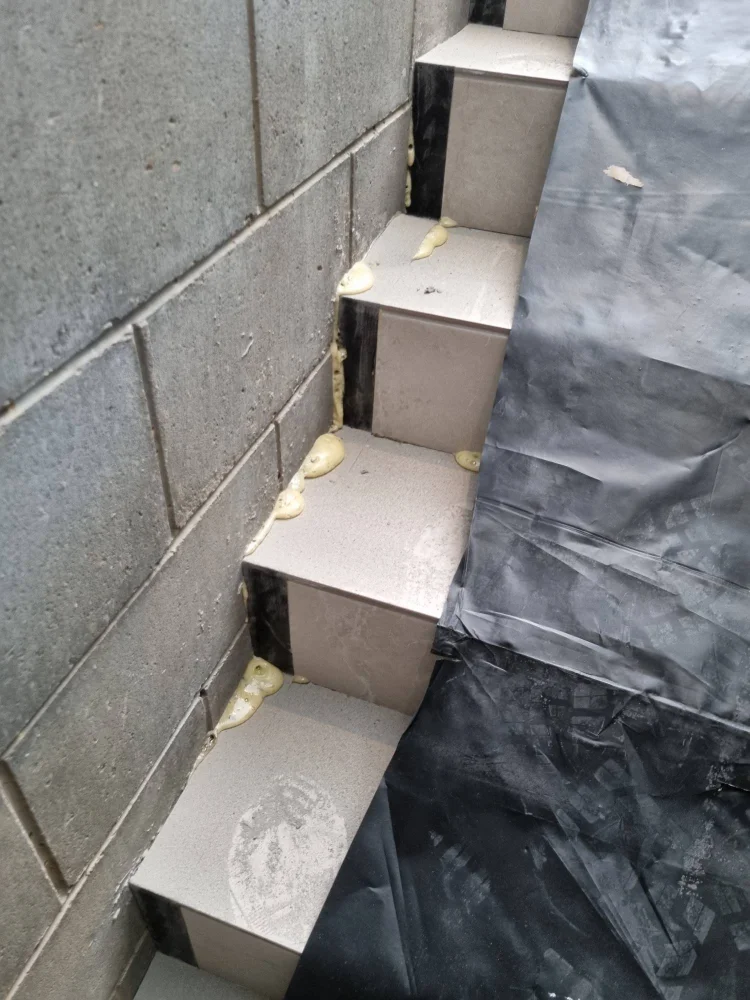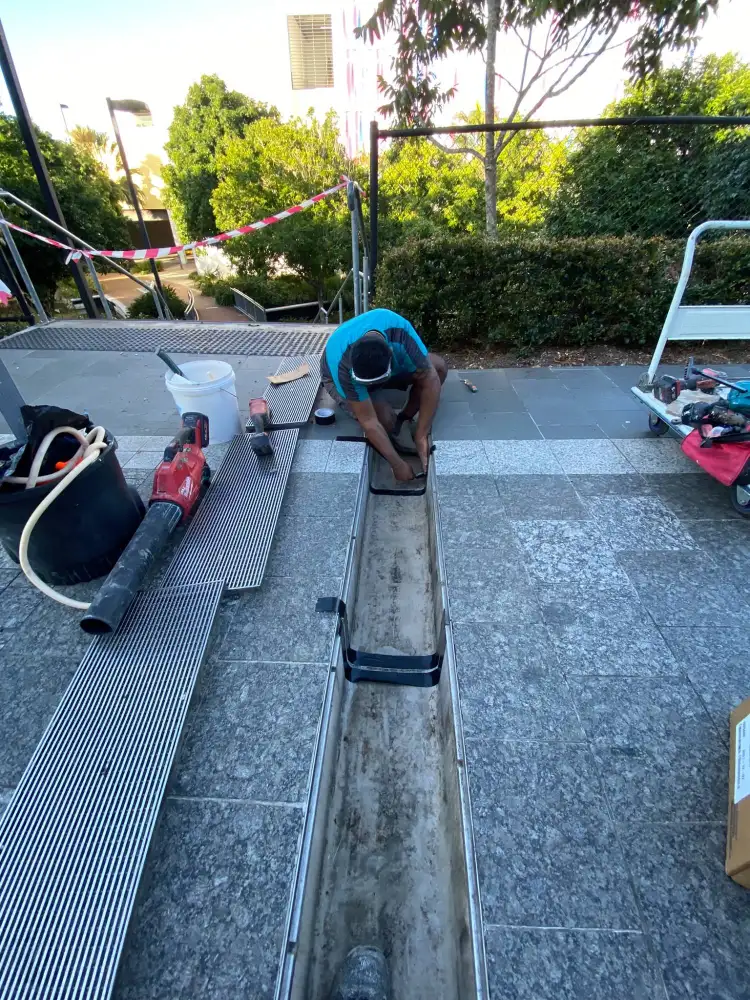


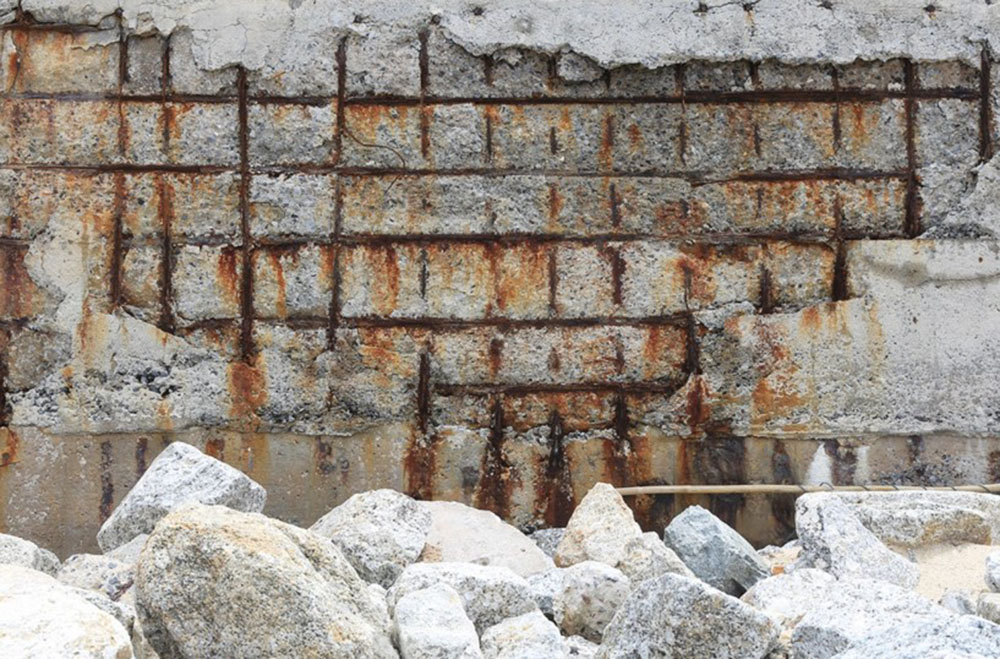
Strata insurance usually does not cover damage from concrete cancer.
Strata policies usually exclude damage caused by the corrosion of steel reinforcement, rust stains, cracking, and flaking concrete, which are key signs of concrete cancer. The Property owners or Corporation, is expected to pay for all necessary inspections, repairs, and capital works costs rather than relying on insurers.
Legal duty to disclose known defects to insurers.
Additionally, strata insurers require full disclosure of known defects, including concrete cancer, under the legal Duty of Disclosure. Not reporting known structural issues can lead to policy cancellation or denial of future claims.
If structural issues are found before inspection or repair, some owners corporations may raise special levies or use their sinking funds to cover costs. In rare cases involving construction defects or builder’s warranty issues, cost recovery may be sought from the original builder, but generally not through insurance.
Many strata owners and property investors face significant out-of-pocket expenses for concrete cancer repairs. High-rise balconies and older buildings from the 1960s and 70s have seen repair costs ranging from tens of thousands to hundreds of thousands of dollars, usually paid entirely by owners instead of their insurance.
Effective Strategies for Managing Concrete Cancer & its Causes
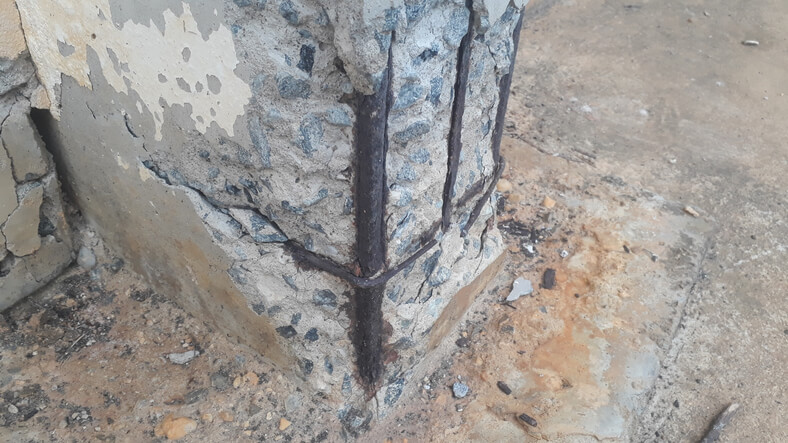
Cause of Concrete Cancer
- Early Detection & Inspection of any signs of concrete cancer
Be alert for concrete cancer signs like rust stains, spalling concrete, bubbling render, or hollow sounds behind the surface. Act quickly on even minor issues. Report any concerns to your strata committee right away to avoid bigger problems and higher costs later. - Select a Certified Remedial Contractor
Choose a waterproofing contractor who specializes in concrete remediation, not general trades people. They will follow engineer-approved processes, remove all corroded steel, and use suitable repair mortars and coatings. They will follow a usual step-by-step repair process:
-
- Diagnose the cause of concrete cancer problem and extent of the damage.
- Remove affected concrete and clean or replace corroded reinforcement.
- Apply polymer-modified repair mortar systems or epoxies as recommended by an engineer.
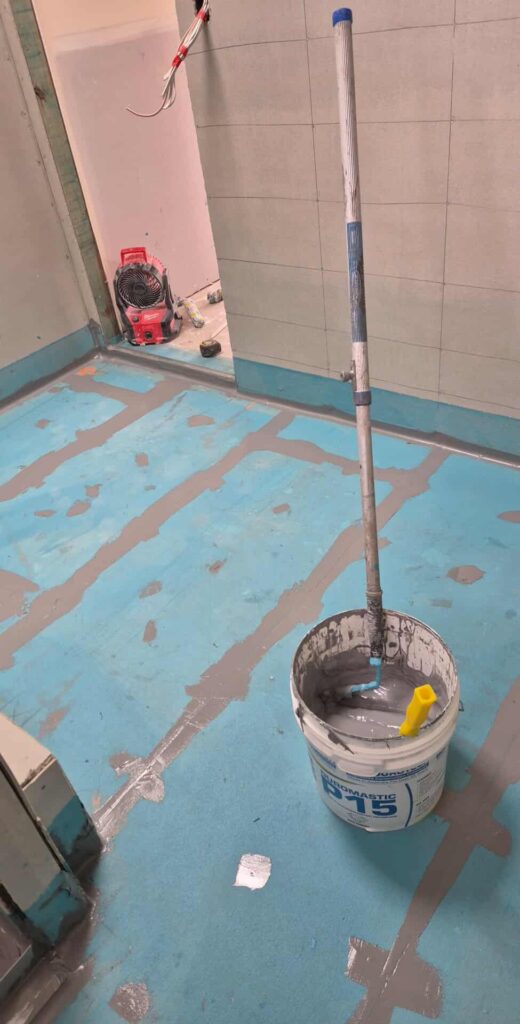
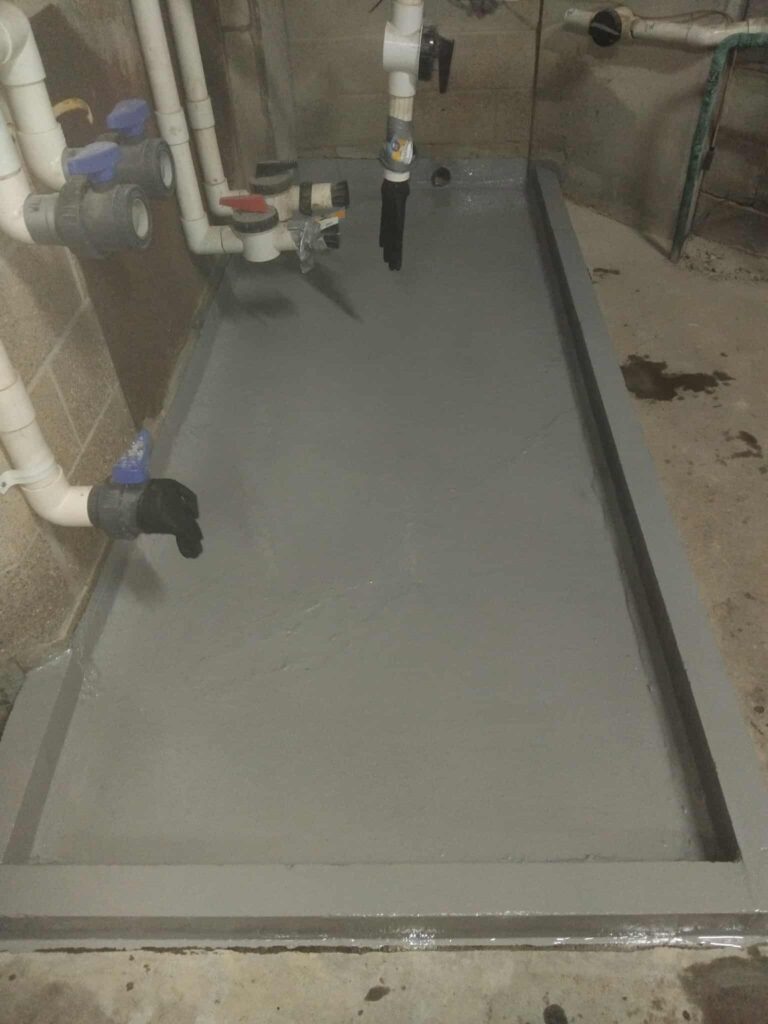
- Install waterproofing membranes and corrosion inhibitors to prevent recurrence.
- Supervise curing and ensure documented quality control, with the engineer present throughout.
3. Implement Proactive Maintenance
Schedule regular inspections, keep up with waterproofing, and document repairs. This will help prevent further deterioration and rising capital works costs.
Summary:
Concrete cancer is almost always excluded from standard strata insurance coverage in Australia. It is generally seen as a hidden building defect or the result of wear and tear, not something that can be insured against. Corporations and lot owners are responsible for diagnosis, remediation, and ongoing maintenance costs. By selecting a licensed concrete repair contractors in Brisbane or Gold Coast like S&S Remedial, which uses expert-led processes and engineered solutions, strata schemes can greatly lower long-term risks and costs. This ensures safe and stable concrete structures for many years to come.