by marketingstaff | Nov 27, 2025 | Concrete Crack
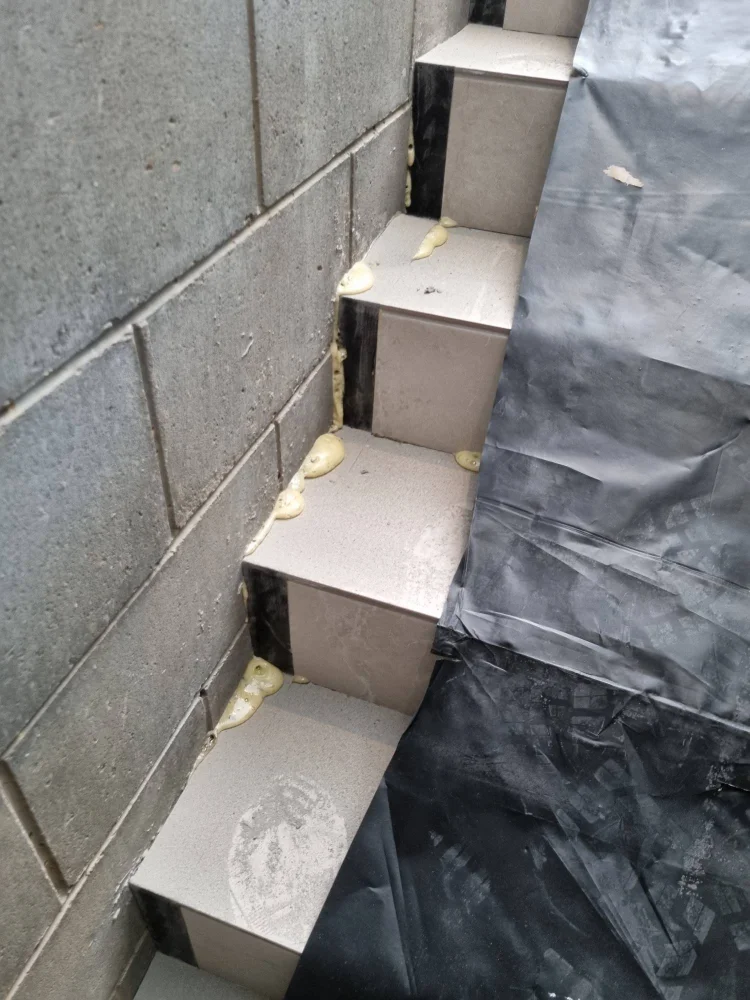
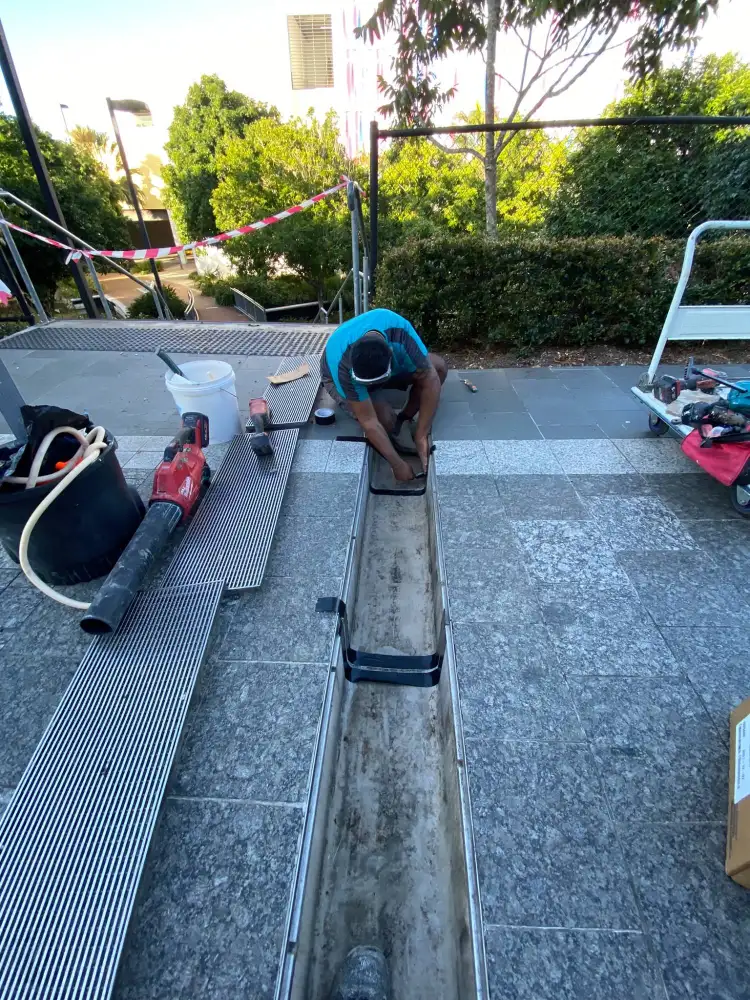
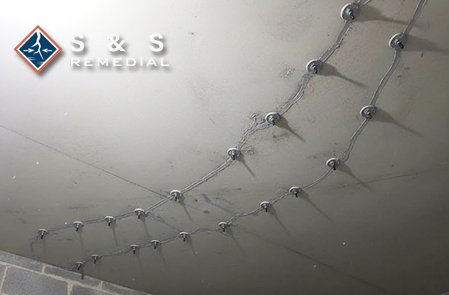
Introduction Concrete structures often develop cracks due to stress, shrinkage, or environmental exposure. Two common repair methods are epoxy concrete patching and crack injection (epoxy or PU). While both restore durability, they serve different purposes Resin Crack...
by marketingstaff | Nov 11, 2025 | Concrete Crack
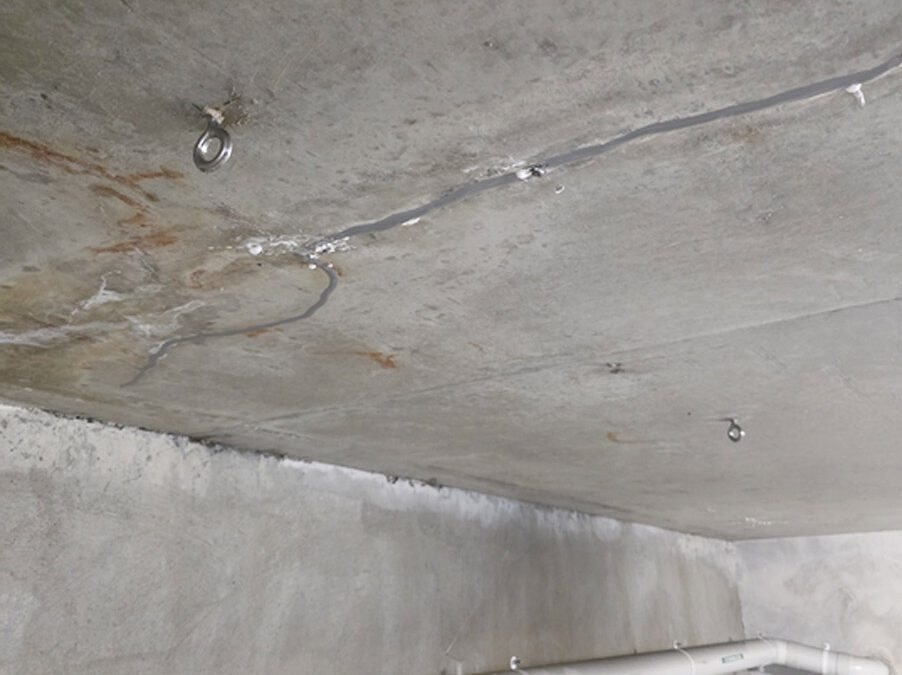
When you spot a crack in a concrete slab, it’s tempting to reach for a tube of sealant and call it a day. But if that crack is more than just cosmetic—especially if it’s widening, running deep, or affecting load-bearing areas—then you’re dealing with a structural...
by marketingstaff | Oct 14, 2025 | Concrete Crack
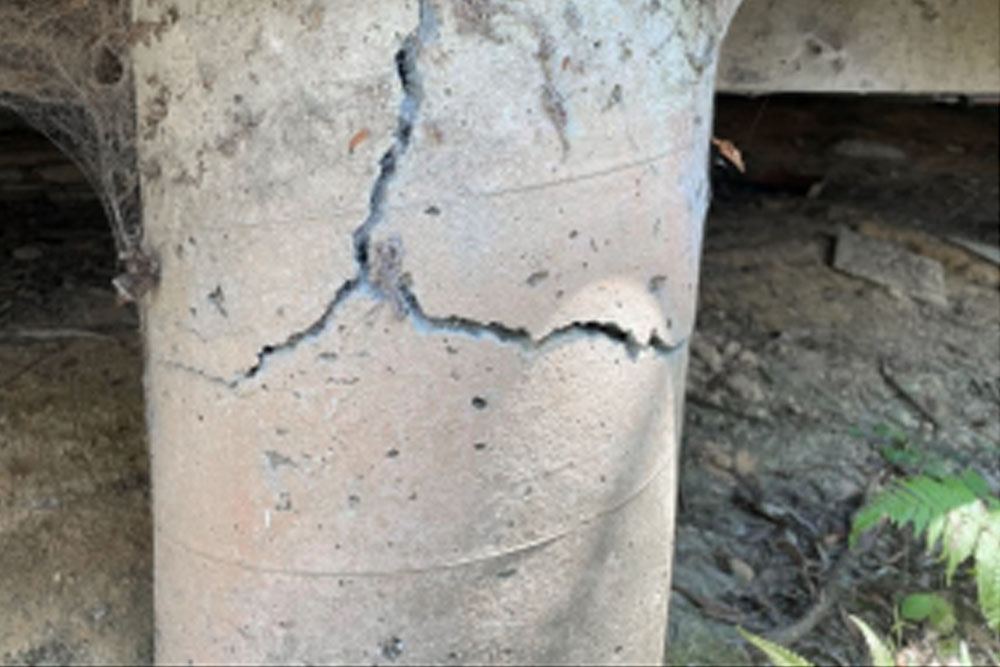
Understanding Crack Repair in Concrete Slabs Cracks in concrete slabs are more than just an eyesore — they can lead to serious water damage, structural issues, and costly repairs if left untreated. Whether it’s a cracked driveway, warehouse floor, or internal slab,...
by marketingstaff | Oct 6, 2025 | Concrete Crack
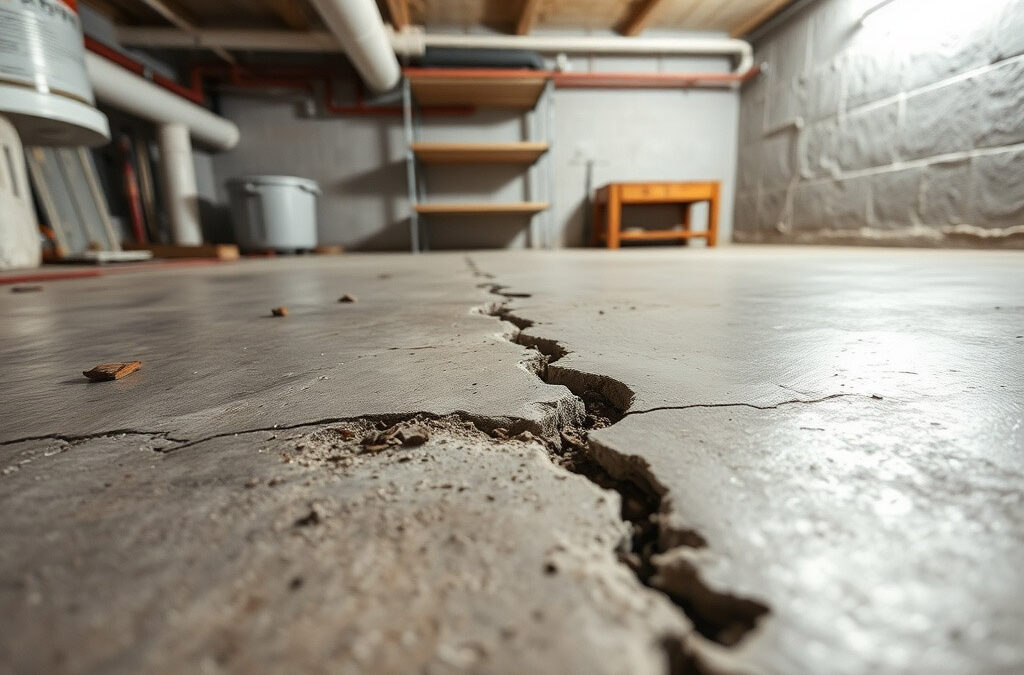
Builds trust with practical advice and signs to watch for Cracks Happen — But Some Deserve Attention Concrete cracks are common across Queensland homes, especially with our coastal humidity, shifting soils, and harsh sun. Not every crack means your slab or walls are...
by marketingstaff | Sep 10, 2025 | Concrete Crack
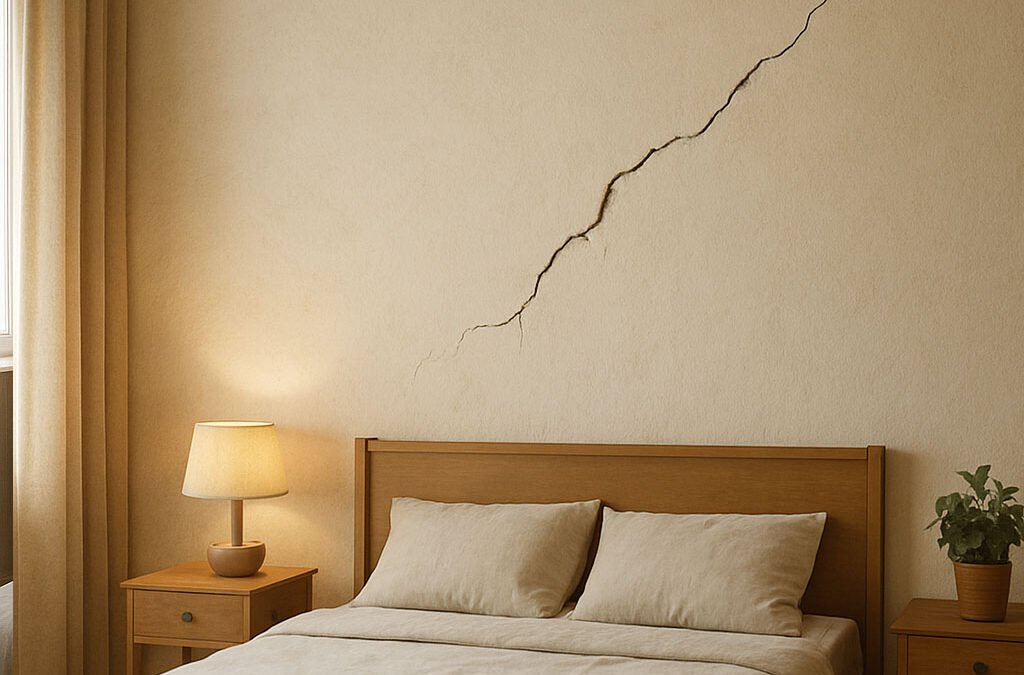
Concrete cracks in your home or commercial property are more than just an eyesore—they can point to underlying issues that range from minor surface problems to serious structural concerns. Knowing what different cracks mean can help you act early and protect your...
by admin | Aug 8, 2024 | Concrete Crack
Polyurethane crack injection is a crucial solution for many civil engineers, construction managers, and infrastructure developers who face the challenge of cracked concrete. These cracks, often caused by foundational shifts, heavy loads, or environmental factors, can...