

Understanding Crack Repair in Concrete Slabs
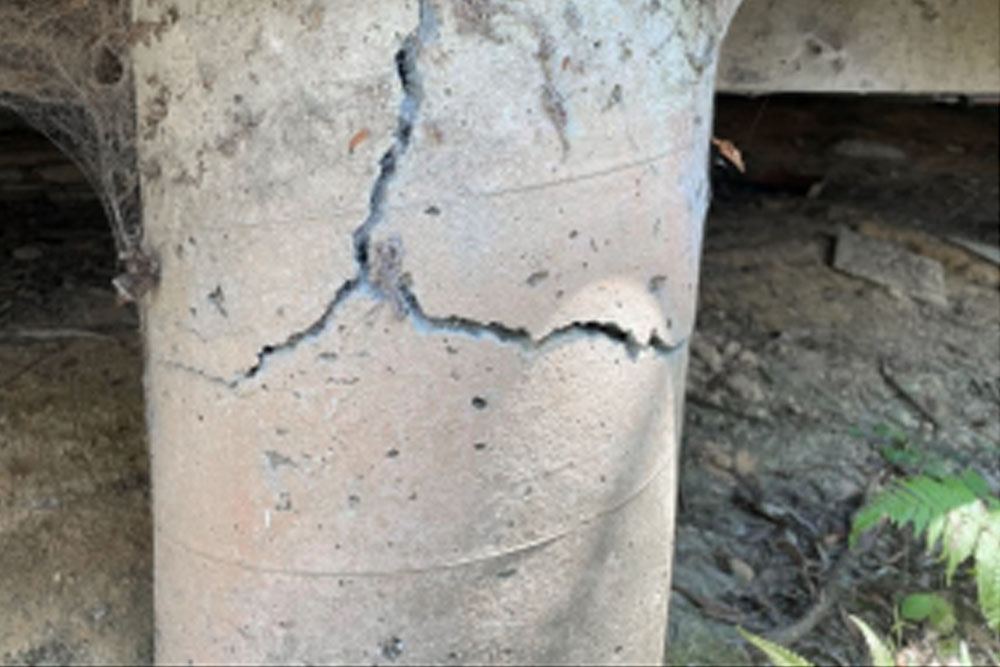
Cracks in concrete slabs are more than just an eyesore — they can lead to serious water damage, structural issues, and costly repairs if left untreated. Whether it’s a cracked driveway, warehouse floor, or internal slab, the right repair method depends on the type of crack, the building movement, and environmental conditions.
On the Gold Coast, where humidity, heat, and shifting ground are common, choosing between flexible and rigid crack repair can make all the difference in long-term slab protection.
What Is Rigid Crack Repair?
Rigid crack repair involves filling cracks with strong, inflexible materials such as epoxy resin or cementitious compounds. Once cured, the repaired section becomes as hard as the surrounding concrete, effectively restoring the slab’s original strength.
Best For:
- Structural cracks that don’t move or flex
- Indoor areas protected from temperature and moisture fluctuations
- Commercial or industrial floors needing high compressive strength
Advantages:
- Restores structural integrity
- Ideal for load-bearing slabs
- Smooth, durable finish
Limitations:
- Can re-crack if the slab moves or expands
- Not suitable for high-moisture or outdoor environments
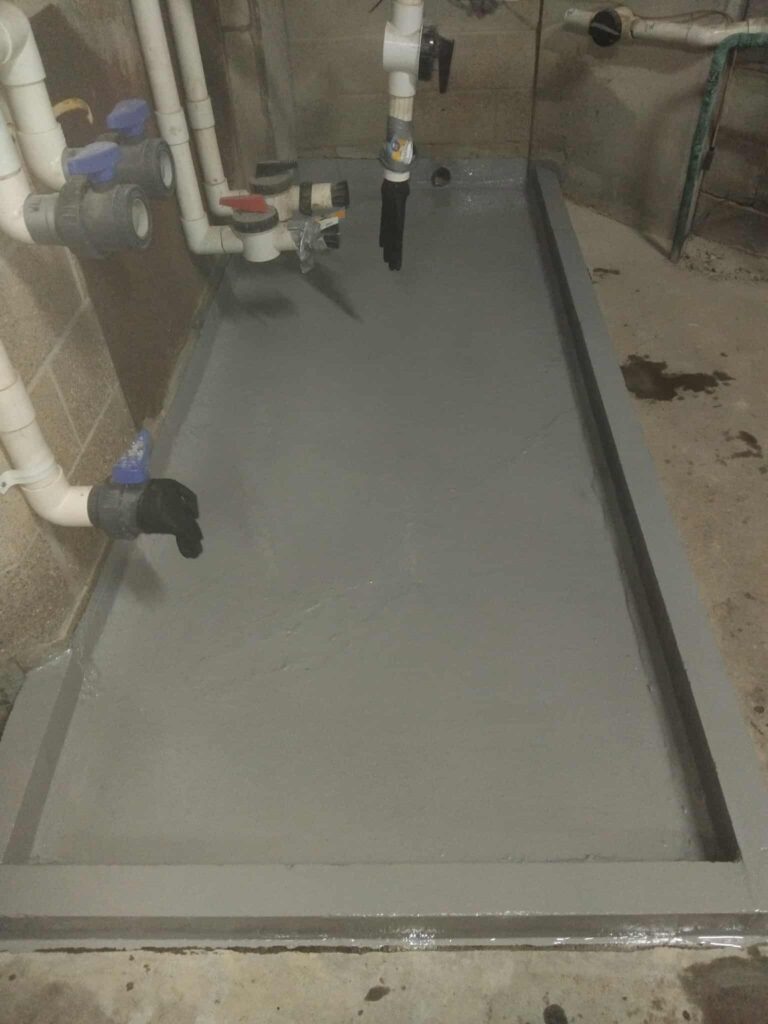
Basement Waterproofing Potts Street East Brisbane
What Is Flexible Crack Repair?
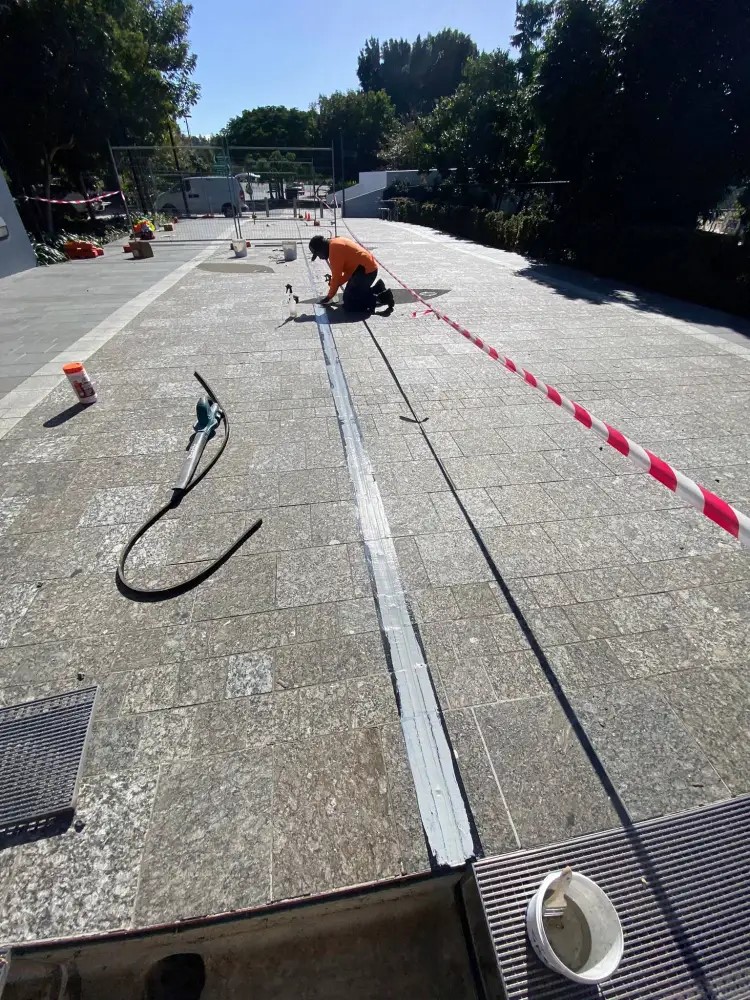
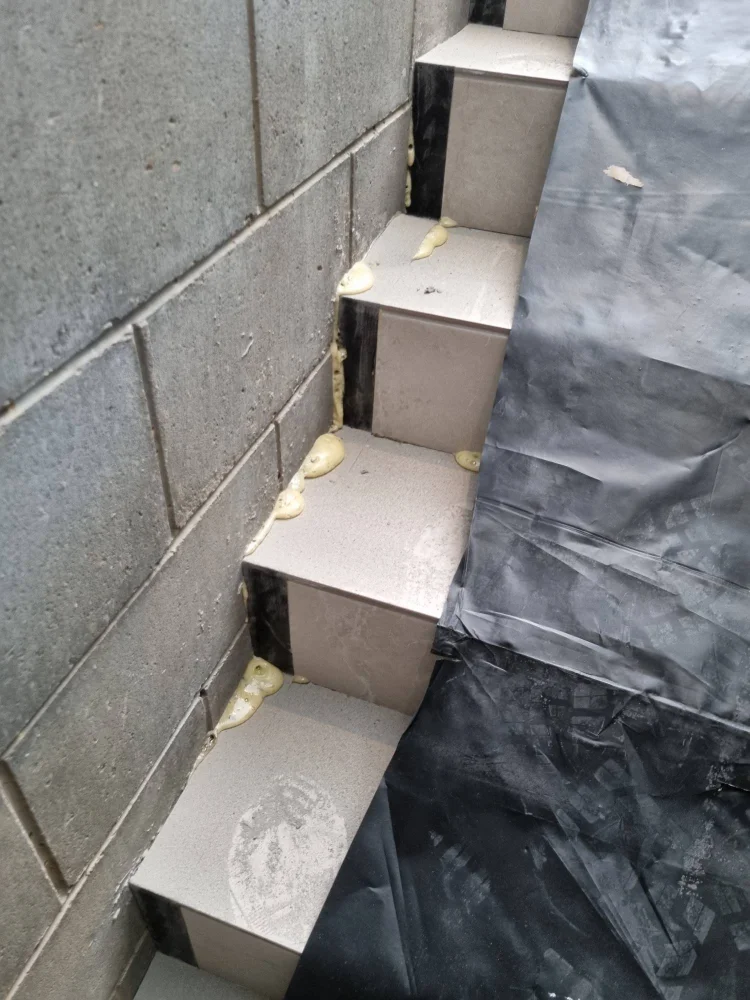
Flexible crack repair uses materials like polyurethane or polyurea sealants that can expand and contract with the slab. This flexibility helps the repair move naturally with temperature changes, ground shifts, or minor settlement — common on the Gold Coast.
Best For:
- Driveways, patios, and outdoor slabs
- Areas prone to moisture or temperature fluctuations
- Cracks caused by expansion and contraction rather than structural failure
Advantages:
- Waterproofs the crack and prevents leaks
- Adapts to movement without re-cracking
- Long-lasting protection in coastal climates
Limitations:
- Less structural strength than epoxy repairs
- Flexible crack repair may require reapplication over time in high-traffic areas
Which Option Lasts Longer?
The long-term protection of your slab depends on the crack’s cause and the site conditions:
- Stable slabs with no movement benefit most from rigid epoxy repairs.
- Dynamic or outdoor slabs exposed to heat, rain, or ground movement are better protected with flexible polyurethane systems.
For most Gold Coast homes and commercial properties, a flexible waterproofing crack repair offers better durability and moisture resistance in the long run.
Real-World Example
Scenario 1 – Indoor Warehouse Floor:
A warehouse slab cracked due to heavy machinery. Since the structure is stable and indoors, a rigid epoxy injection restored full strength and prevented further damage.
Scenario 2 – Driveway Crack Near the Coast:
Coastal moisture and sun exposure caused expansion cracks. A flexible crack repair using polyurethane sealant provided a watertight, UV-stable finish that moves with the concrete.
Expert Tip: At S&S Remedial Services, We Combine crack repair with waterproofing
For ultimate slab protection, combine your repair method with a Gold Coast waterproofing treatment. This adds a barrier against water ingress and prolongs the life of both flexible and rigid repairs.
Need Professional Crack Repair on the Gold Coast?
At SS Remedial, we specialise in slab crack repairs, leak sealing, and waterproofing solutions tailored to the Gold Coast’s unique climate and conditions. Whether your concrete needs epoxy injection or flexible polyurethane sealing, our licensed technicians will recommend the best system for long-term protection.
📞 Get a free on-site assessment today — and protect your slab for years to come.