

Builds trust with practical advice and signs to watch for
Cracks Happen — But Some Deserve Attention
Concrete cracks are common across Queensland homes, especially with our coastal humidity, shifting soils, and harsh sun. Not every crack means your slab or walls are failing — but some can point to deeper structural or waterproofing issues that shouldn’t be ignored.
Knowing which cracks are harmless and which need professional repair can save you thousands in future damage and give you peace of mind.
Why Cracks Form in the First Place
Before you panic, it helps to understand why cracks appear. The most common causes include:
- Natural settling: New homes often develop small “hairline” cracks as the ground stabilises.
- Thermal expansion: Heat and moisture cause concrete to expand and contract, leading to surface cracks.
- Poor drainage: Constant moisture under the slab can cause cracking and movement.
- Structural stress: Heavy loads, soil movement, or foundation issues can cause deeper, wider cracks.
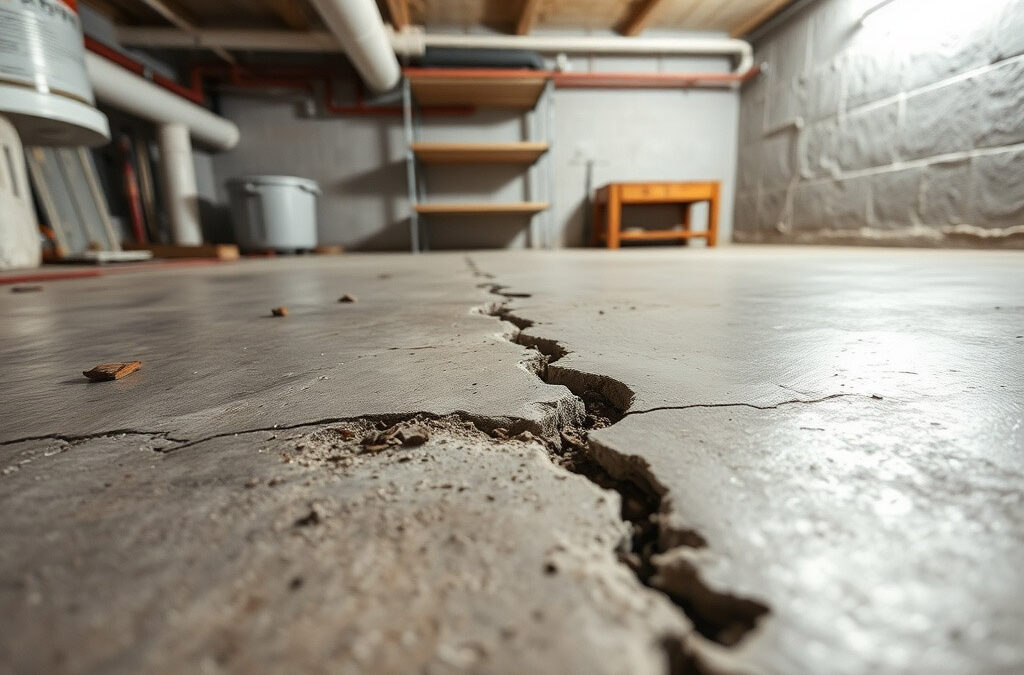
Rigid Crack Repair for Residential Property
How to Tell If a Concrete Crack Is Dangerous
Here’s a quick way to gauge whether that crack is cause for concern:
1. Hairline Surface Cracks (<1mm)
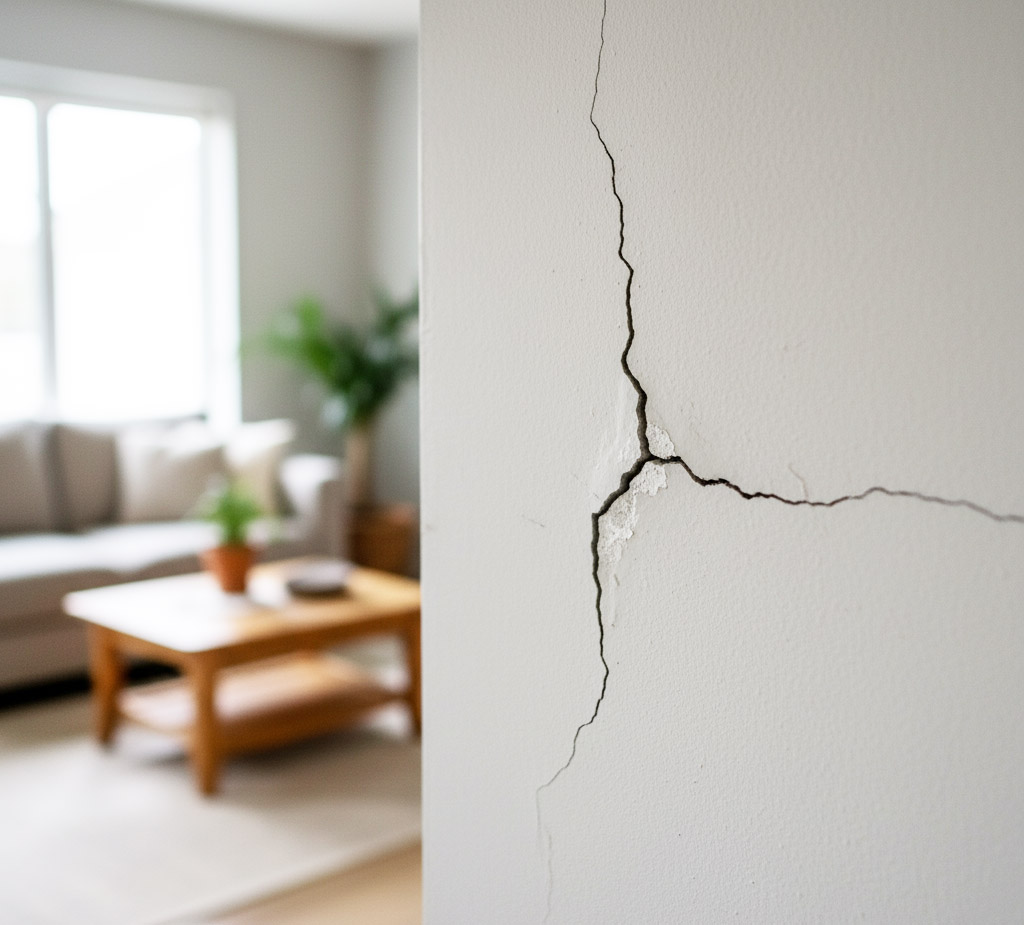
Usually harmless. These are cosmetic and often appear in driveways, garage floors, or walls. A quick flexible sealant can prevent moisture from seeping in.
2. Wider Cracks (1–5mm)
Monitor closely. These may indicate minor movement or moisture issues. If they’re near wet areas — like bathrooms, balconies, or retaining walls — consider a professional waterproofing inspection.
3. Deep or Expanding Cracks (>5mm)
Act fast. These can signal structural movement, foundation settling, or water ingress. If the crack runs through walls, tiles, or ceilings, it’s best to get a licensed waterproofing and structural assessment immediately.
Hidden Dangers of Ignoring Cracks
Even small cracks can become big problems if left untreated, especially in Queensland’s coastal climate:
- Water leaks and mould growth
- Rising damp in internal walls
- Tile lifting or grout failure
- Structural weakening over time
A simple crack inspection today could prevent expensive slab repairs or insurance issues later on.
When to Call a Waterproofing Professional
You should contact a waterproofing specialist if you notice:
- Cracks widening over time
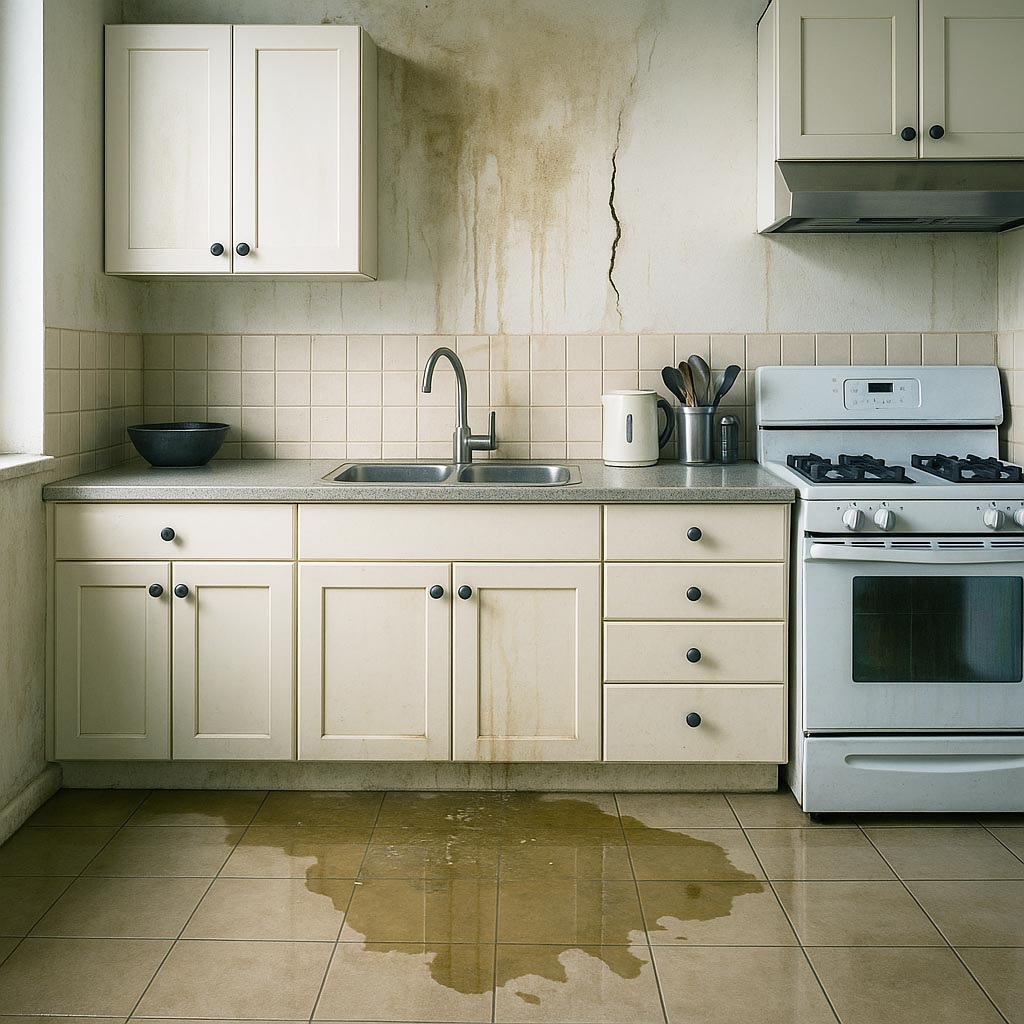
- Water seeping through or damp patches forming
- Cracks near bathrooms, balconies, or pool areas
- Gaps appearing between walls and floors
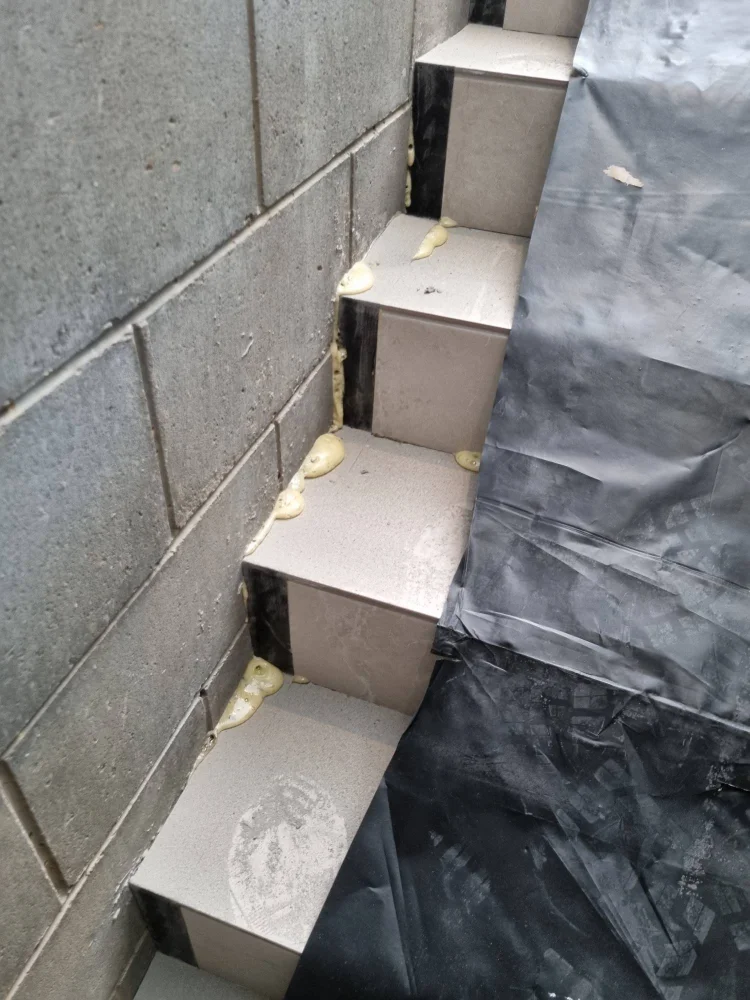
A professional inspector can assess whether rigid epoxy injection or flexible polyurethane sealing is the right fix — ensuring long-term stability and waterproof protection.
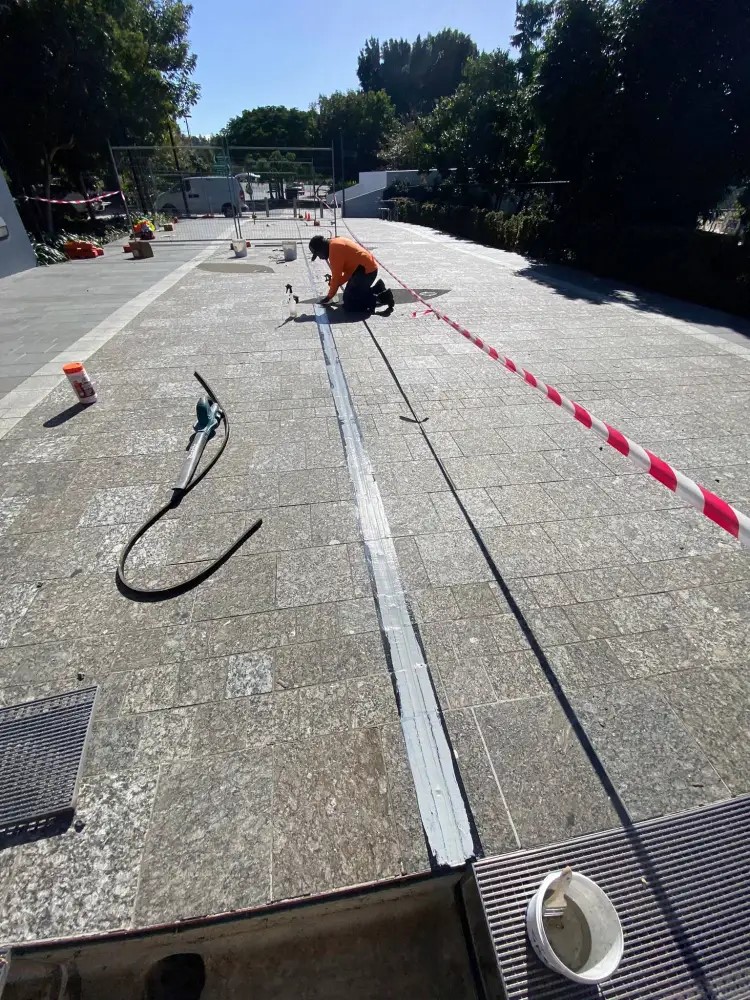
Flexible Crack Repair
Brisbane & Gold Coast Expert Waterproofer You Can Trust
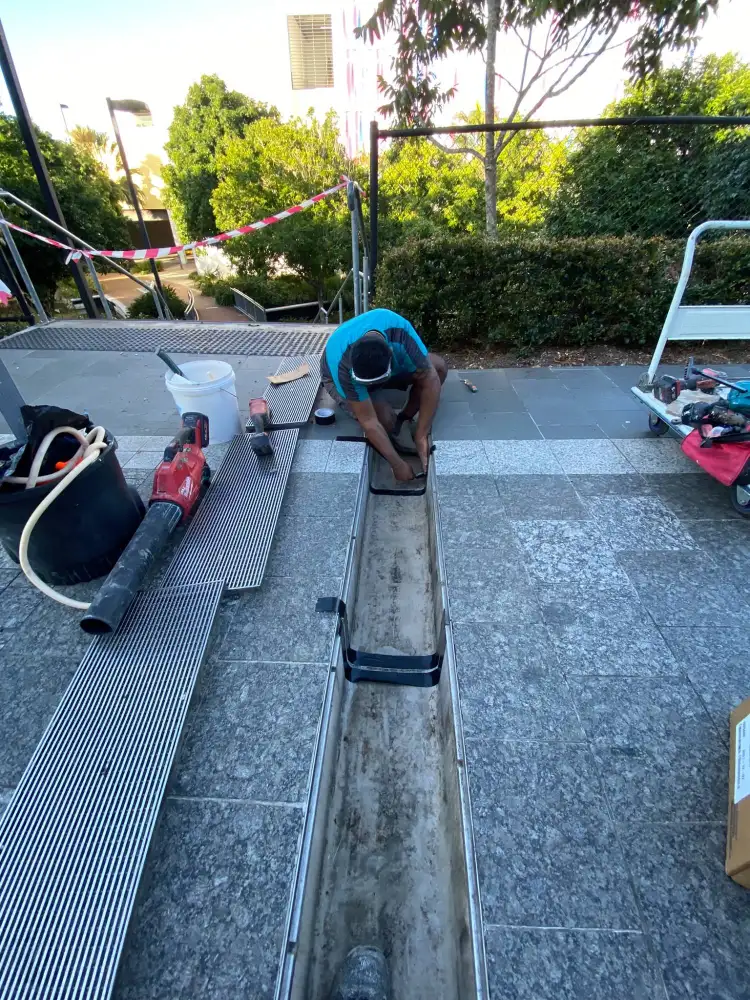
At S&S Remedial Services, we’ve helped hundreds of Gold Coast homeowners identify if flexible concrete crack repair or rigid crack repair before they turned serious. Our Licensed waterproofing team specialise in:
- Leak detection and waterproofing
- Crack injection (epoxy or polyurethane)
- Concrete repairs and sealing
- Preventative maintenance for slab protection
We offer honest, practical advice — no scare tactics, just proven waterproofing solutions that keep your home safe and watertight.
📞 Book a free inspection today and get peace of mind knowing your concrete cracks are under control.