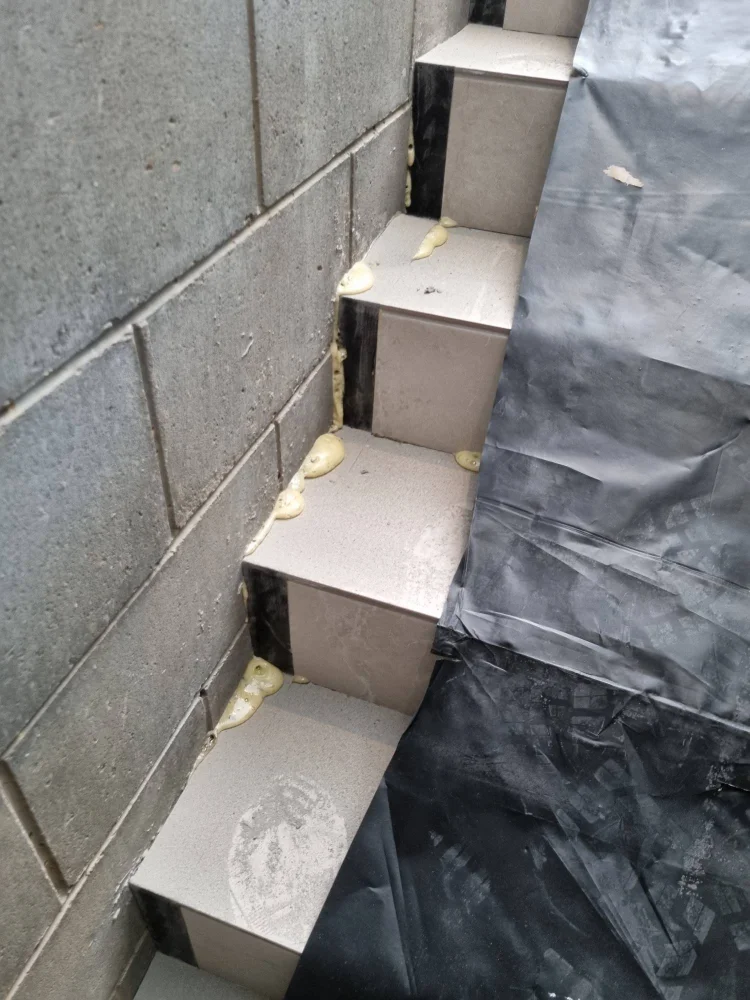



Water leaks can cause significant structural damage, leading to mould growth, weakened foundations, and expensive repairs. Addressing leaks early with waterproofing is essential to maintaining your property’s integrity.
Identifying and Fixing Leaks
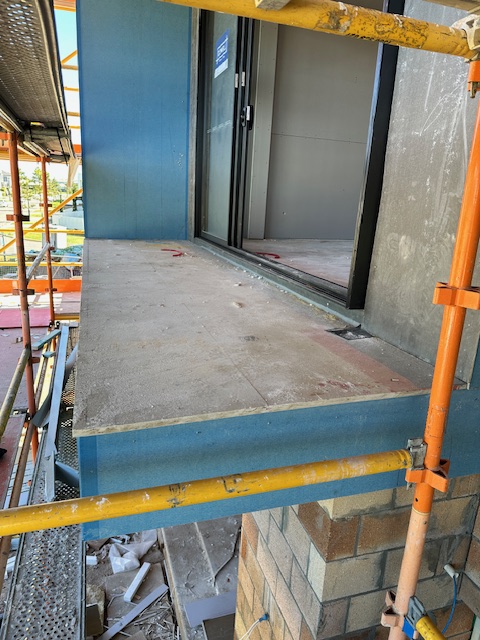
The first step is to identify the source of the leak. Common problem areas include roofs, basements, bathrooms, and balconies. If you notice damp spots, peeling paint, or musty odours, it’s time for water leak repair. Sealing cracks, replacing faulty seals, and applying waterproof membranes can effectively fix leaks before they worsen. Ignoring even small leaks can result in extensive damage over time, so early intervention is key.
Preventing Future Water Damage
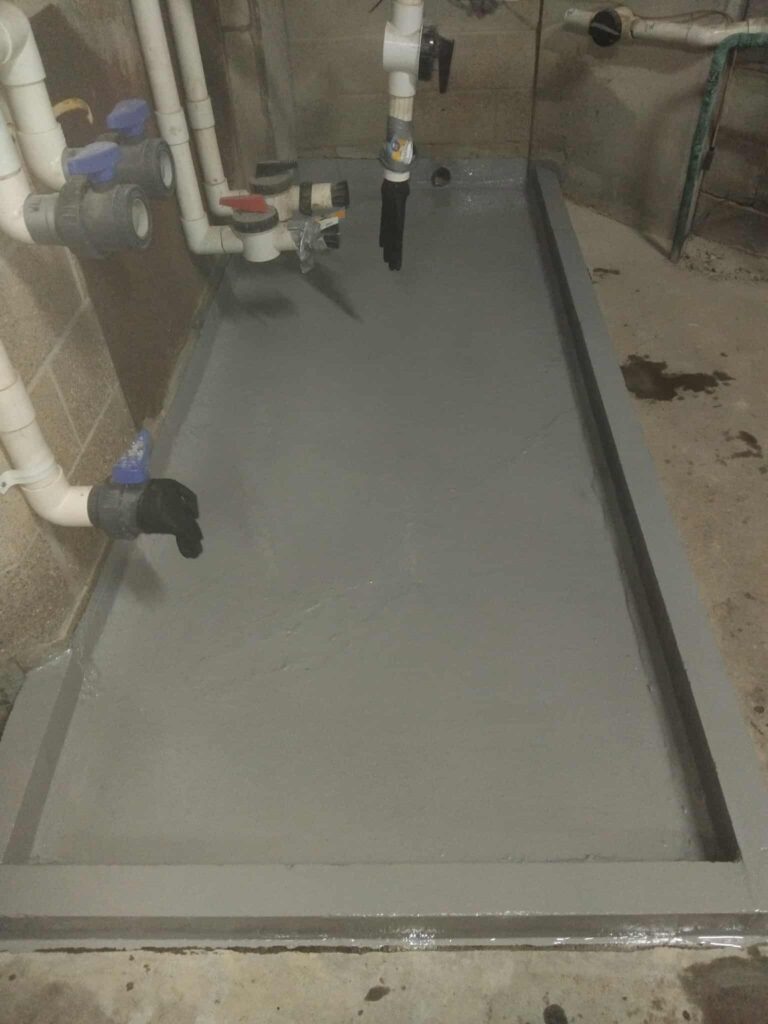
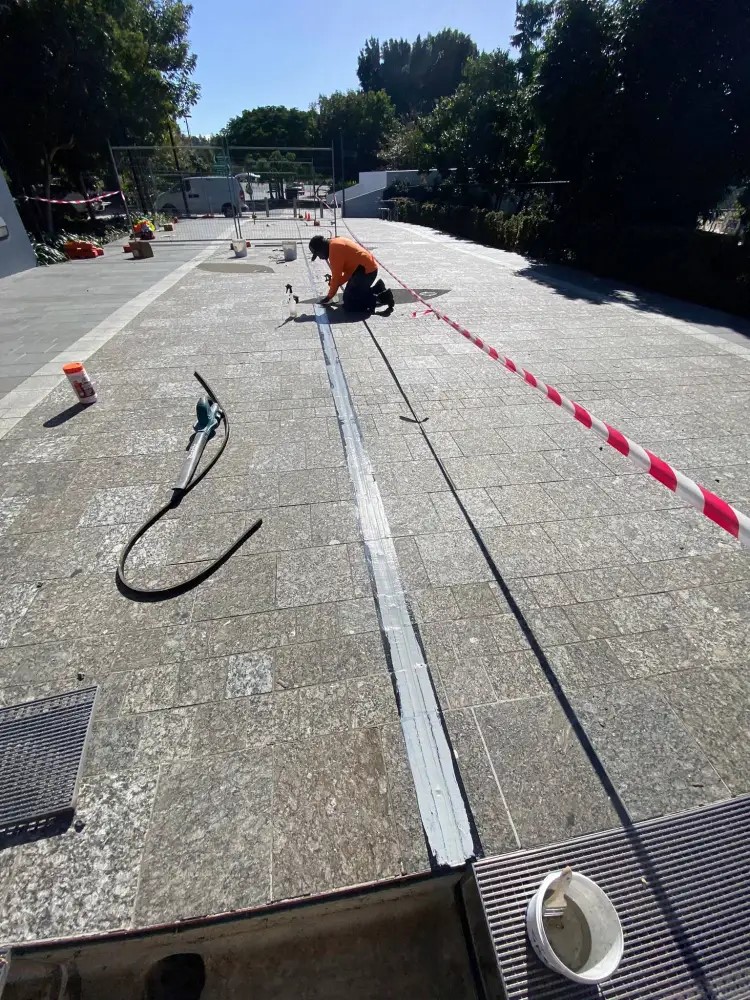
After repairing leaks, investing in NCC-compliant waterproofing ensures long-term protection. Quality sealants, drainage systems, and protective coatings help prevent water ingress, keeping your property dry.
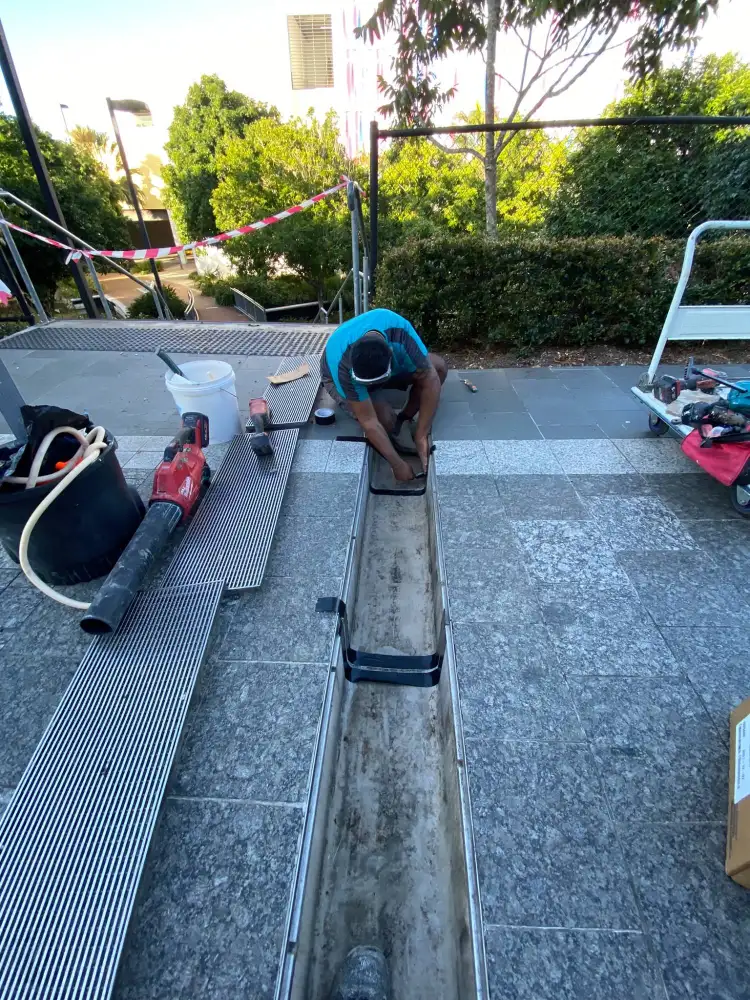
Proper maintenance, such as clearing gutters and checking for weak points in your building’s exterior, can also prevent leaks. Professional waterproofing services provide expert solutions tailored to different surfaces, reducing the risk of future issues and saving you money on costly repairs.
NCC Compliant Shower Waterproofing
Trust S&S Remedial for Expert Waterproofing
How to Fix Water Leaks and Prevent Future Damage with Waterproofing
Discover proven waterproofing solutions that protect your bathroom, shower, and wet areas from costly water damage. Learn how to seal leaks, reinforce vulnerable zones, and future-proof your property with compliant systems.
How to Seal a Leaking Bathroom or Shower: Waterproofing Essentials
A leaking bathroom or shower can lead to costly damage, mould growth, and structural issues—especially in humid climates like Brisbane. QBCC or NCC waterproofing is the key to preventing leaks and ensuring long-term protection. Whether you’re renovating or repairing, start with a thorough inspection of the shower area, including the walls, tray, base, and pan.
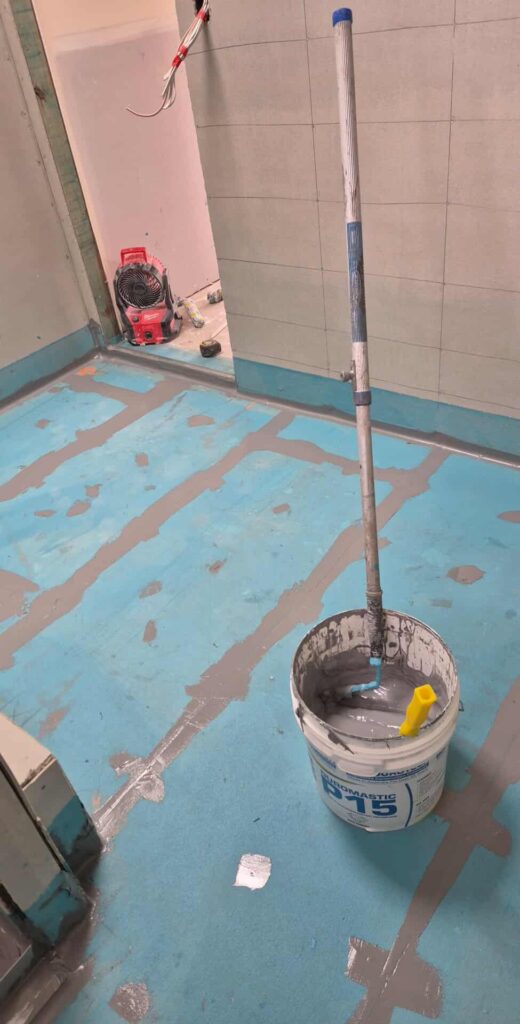
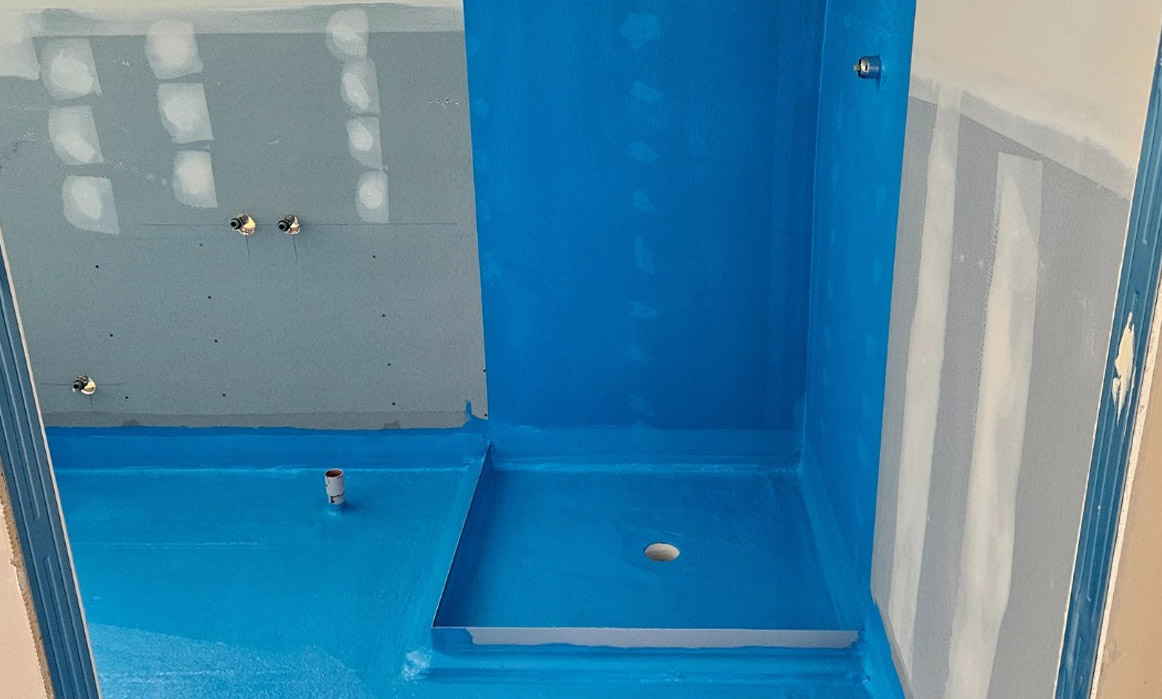
Shower walls waterproofing involves applying a waterproof membrane behind tiles to prevent moisture from seeping into wall cavities. This step is critical for tiled showers and must comply with AS 3740 waterproofing standards. For the floor, shower tray waterproofing ensures that water doesn’t escape around the edges or corners of the tray—especially in older installations.
If your shower has a built-in base, shower base waterproofing is essential. This includes sealing joints, corners, and any penetrations with flexible waterproofing compounds. For custom or tiled floors, shower pan waterproofing protects the subfloor and drainage system, using a bonded membrane that channels water directly to the waste outlet.
Always use a QBCC-licensed waterproofing contractor to ensure compliance and warranty-backed workmanship. Sealing a leaking shower isn’t just about patching—it’s about rebuilding the waterproofing envelope from the ground up. Prevention is better than repair, and AS3740 waterproofing is the foundation.