by marketingstaff | Oct 11, 2026 | Case Study, Classic Waterproofing, Damp Problems
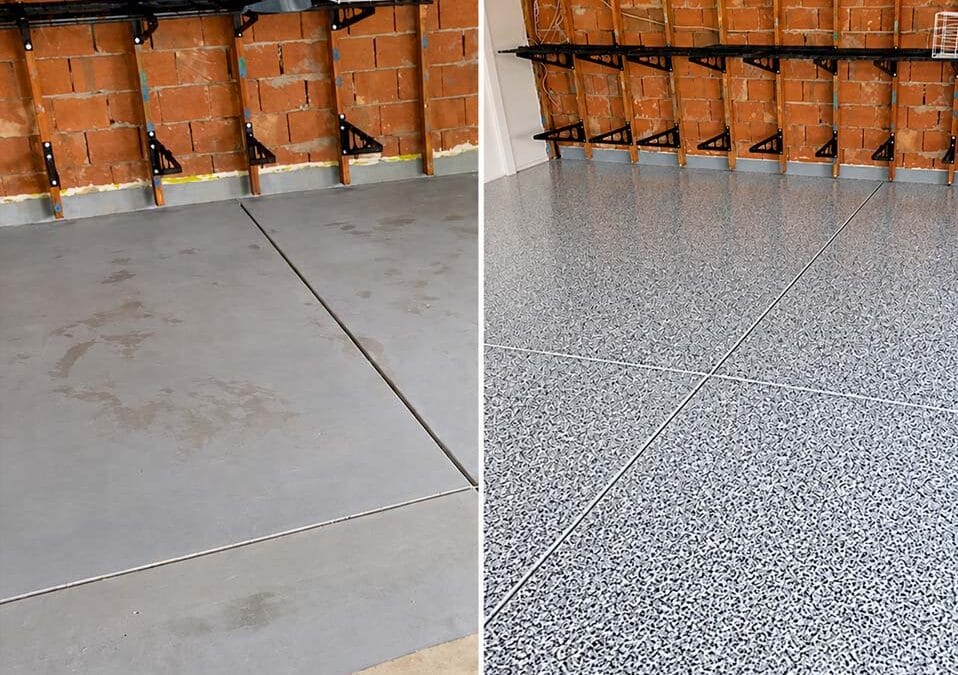
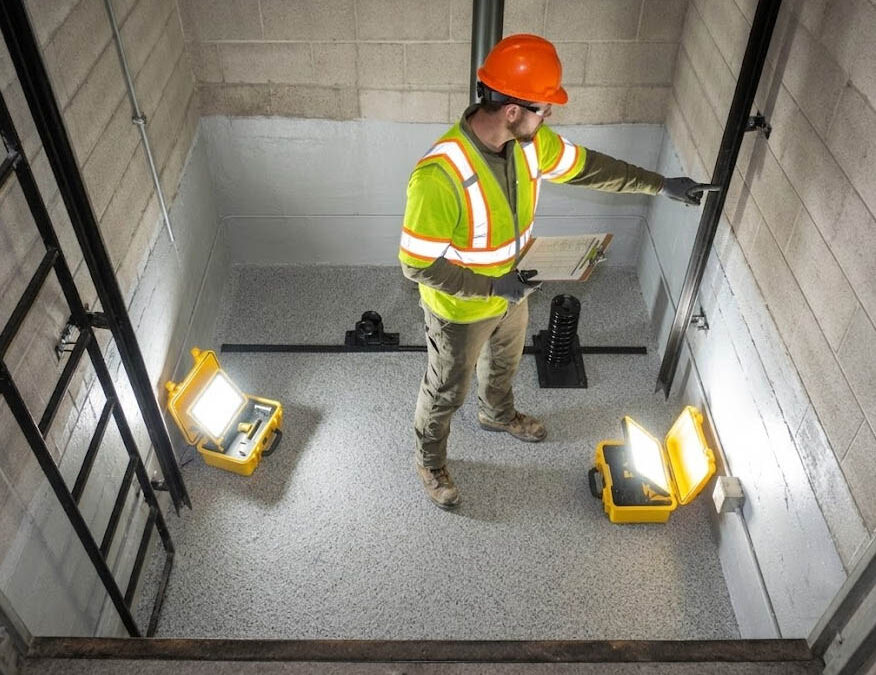
Rising damp in a Bonogin garage slab: grinding, Hydropoxy negative-side membrane, polyurethane injection to a leaking rear wall and a flake epoxy floor finish This Bonogin garage had been set up as a home gym and storage area, but the floor was not behaving like a dry... by marketingstaff | Oct 9, 2026 | Below ground, Classic Waterproofing, Concrete Spalling, Structural Repairs
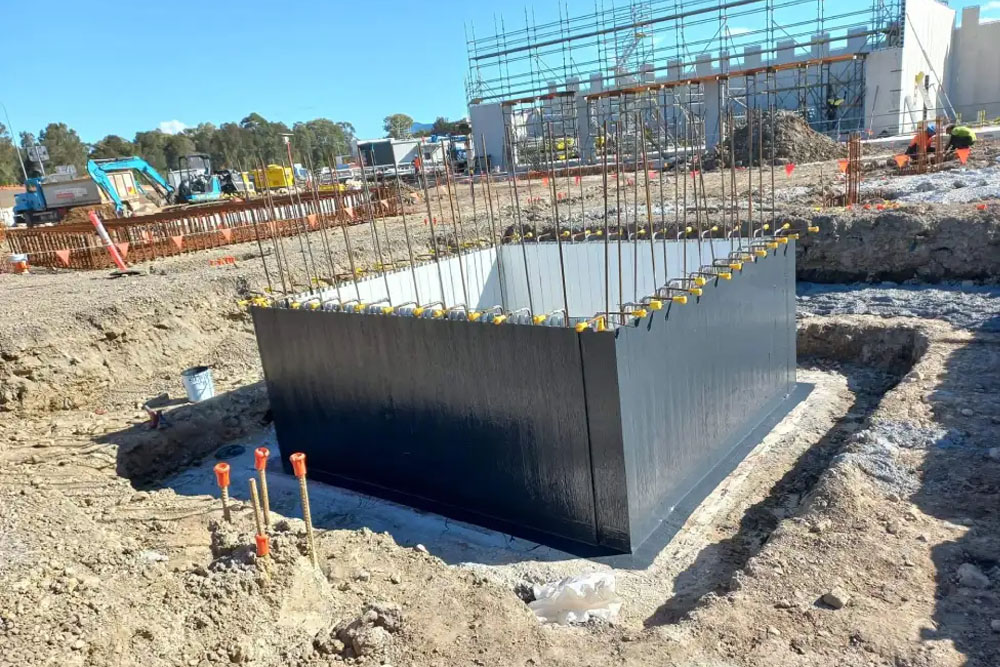
Footings are a critical part of any building’s structure. They carry the weight of the building and distribute it safely into the ground, helping keep the structure stable over time. However, because footings sit below ground level, they’re regularly... by marketingstaff | Sep 29, 2026 | Classic Waterproofing
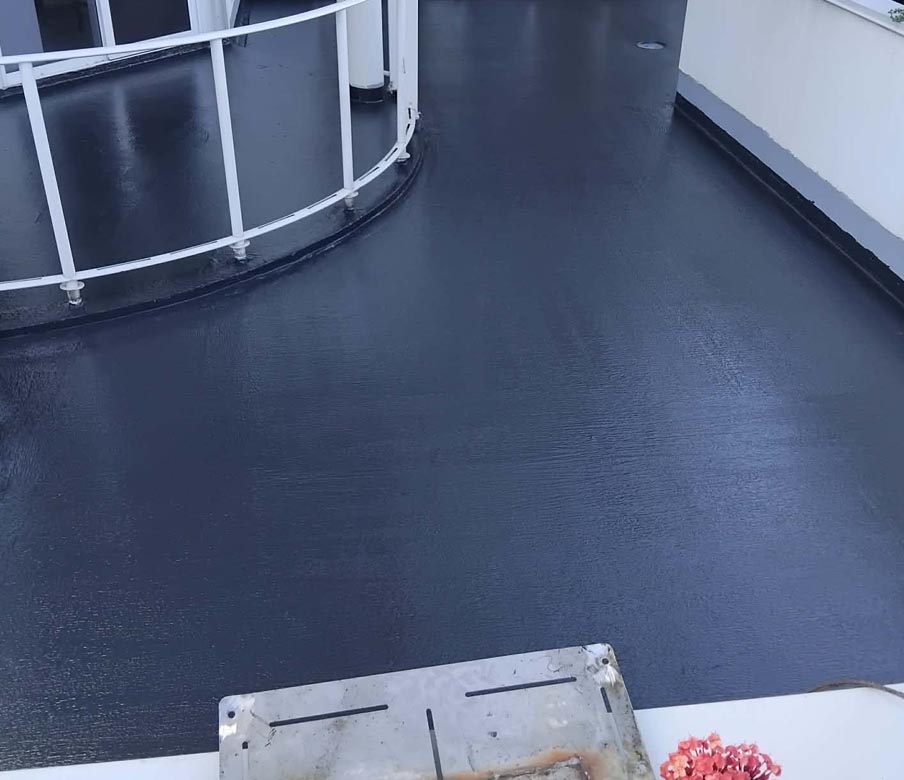
Improper membrane waterproofing can lead to leaks, trapped moisture, blistering, delamination and premature system failure. Often, the membrane itself isn’t the problem—poor surface preparation, incorrect priming, insufficient membrane thickness or inadequate curing... by marketingstaff | Sep 26, 2026 | Classic Waterproofing, Damp Problems
Water leaks rarely have just one entry point. A visible crack might be where the water is showing up, but moisture can also make its way through porous concrete, masonry, joints, and other weak points in the wall. That’s why crack injection and waterproofing membranes... by marketingstaff | Jul 26, 2026 | Classic Waterproofing, Waterproofing Industry Articles
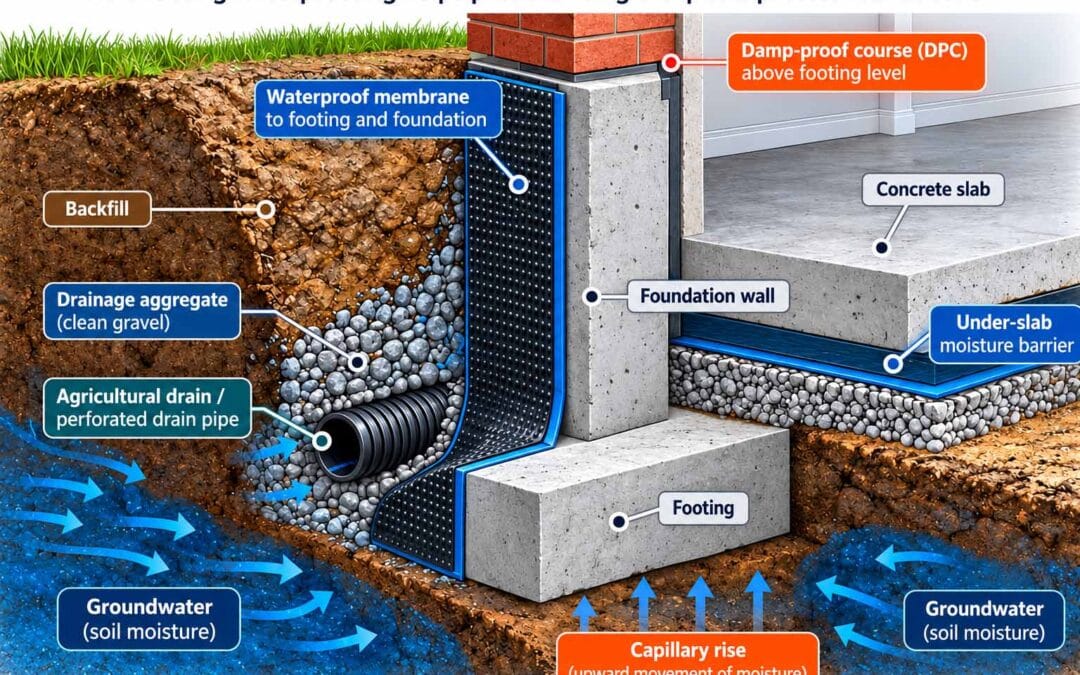
Retaining walls and foundations are constantly exposed to groundwater, soil moisture and hydrostatic pressure. Without proper protection, water can penetrate cracks, construction joints and porous building materials, eventually causing dampness, mould growth, concrete... by marketingstaff | Jul 15, 2026 | Below ground, Classic Waterproofing, Concrete Spalling, Waterproofing Repairs
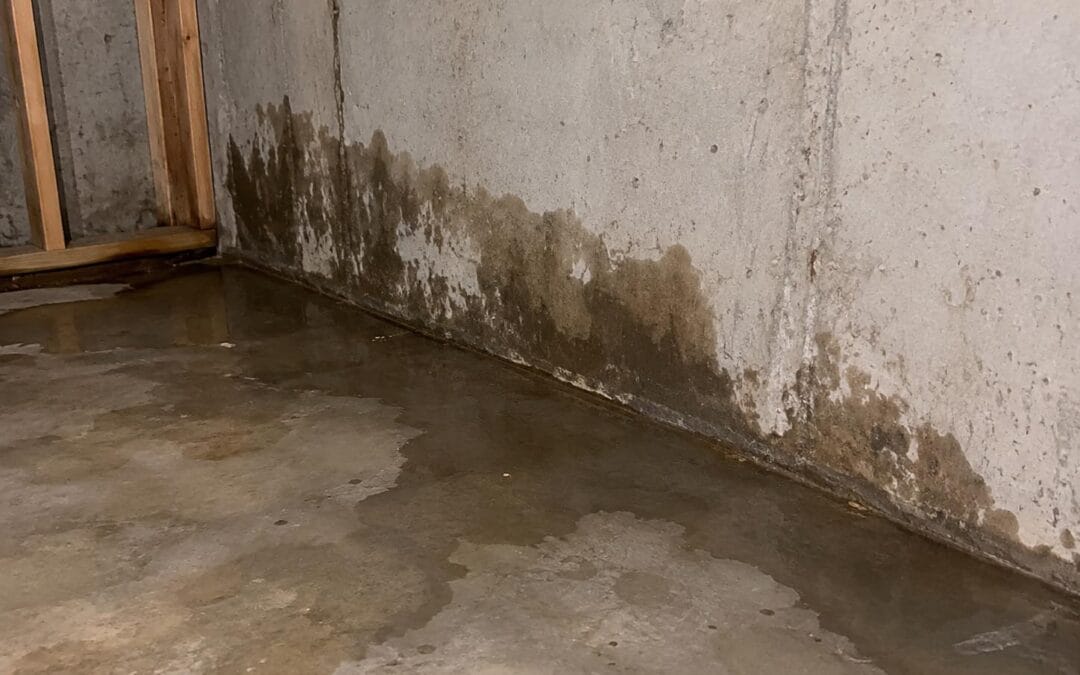
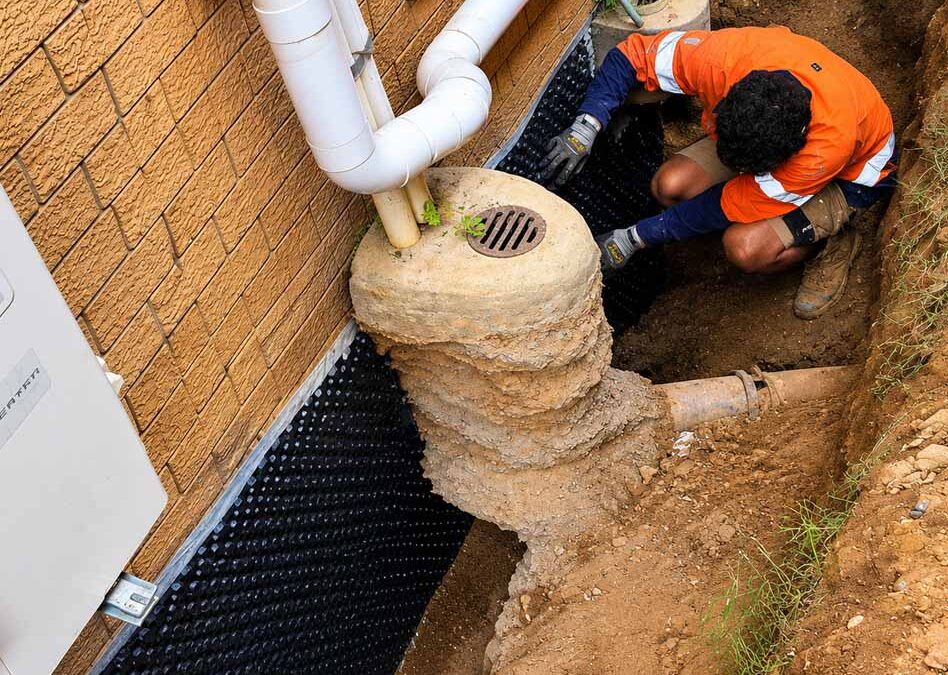
Waterproofing walls below ground level has long been one of the most complex and costly challenges in construction and property maintenance. For many years, fixing a leaking basement or cellar often meant choosing between extensive exterior excavation or relying on...