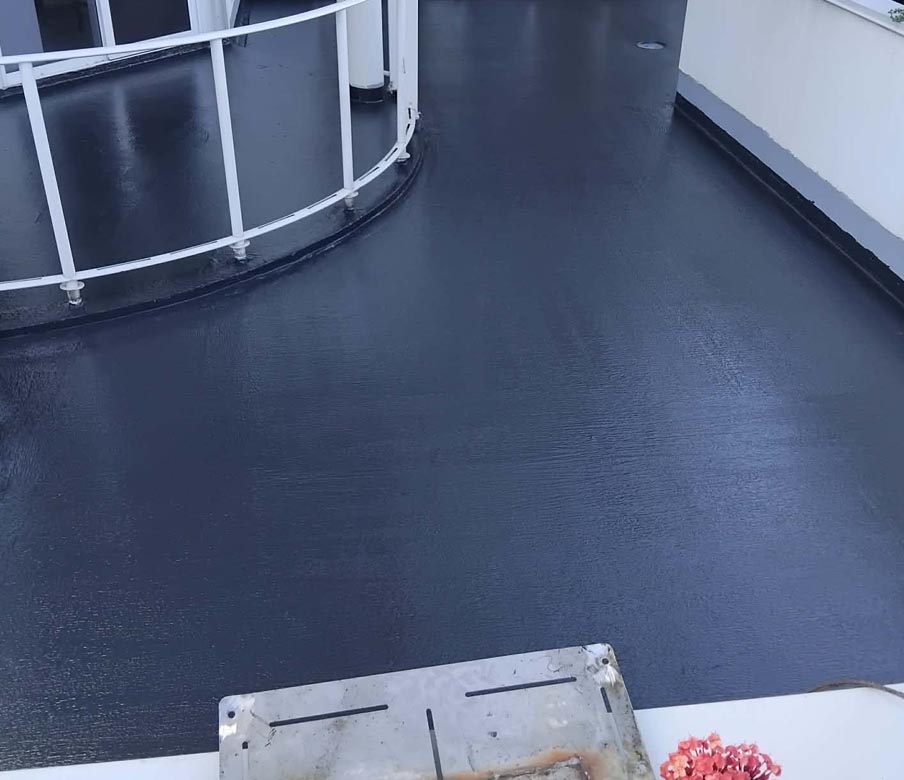

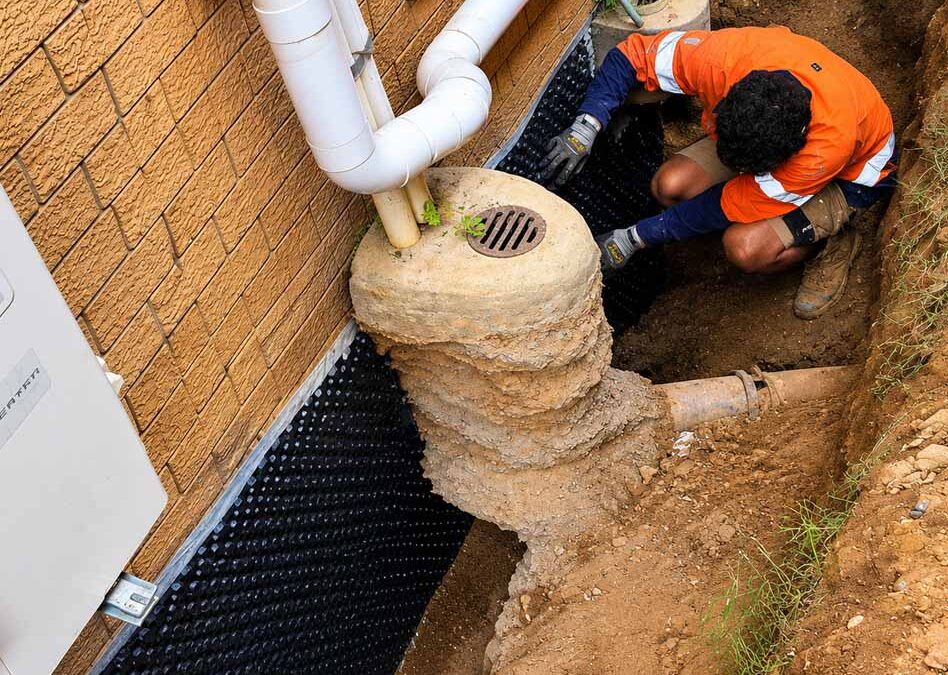
Waterproofing walls below ground level has long been one of the most complex and costly challenges in construction and property maintenance. For many years, fixing a leaking basement or cellar often meant choosing between extensive exterior excavation or relying on internal coatings that frequently blistered and failed when exposed to ongoing water pressure.
SS Remedial (SSR) has changed the way below ground waterproofing is approached across Brisbane and the Gold Coast by replacing short-term repairs with engineered, technology-driven waterproofing solutions designed for long-term performance.
The key factors that set SSR’s below ground waterproofing systems apart include:
1. Advanced Non-Destructive Diagnostics (Zero Guesswork)
Many waterproofing failures happen because the visible signs of water damage are repaired without identifying where the moisture is actually entering. SSR takes a more accurate, non-destructive approach, using advanced diagnostic technology to locate the source before unnecessary demolition or excavation begins.
- Infrared Thermography: High-definition thermal imaging detects temperature changes caused by water moving through concrete and masonry. This helps identify concealed moisture pathways before they lead to more serious damage.
- Ground Penetrating Radar (GPR): Electromagnetic scanning is used to assess concrete slabs and retaining walls. It can map reinforcement steel, identify structural irregularities, and detect hidden voids or soil erosion behind below-ground walls.
2. High-Pressure Hydroactive Resin Injections
To control active leaks and stabilise structures exposed to high groundwater pressure, SSR uses targeted, multi-stage chemical injection systems.
- Polyurethane Injection (Water Sealing): Hydrophobic and hydrophilic polyurethane resins are injected under pressure into cracks and construction joints. When the resin comes into contact with moisture, it expands into a dense, flexible foam that seals the leak path from within and accommodates minor structural movement.
- Epoxy Resin Injection (Structural Bonding): For dry, structural or load-bearing cracks, high-strength epoxy resin is injected into the concrete to bond the crack permanently and help restore the foundation’s structural integrity.
3. High-Performance Negative-Side Waterproofing
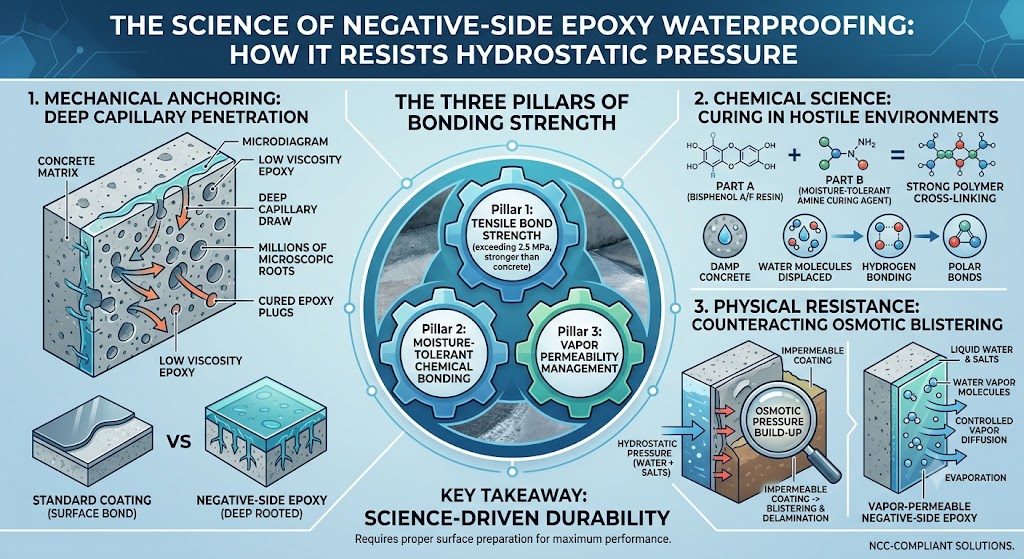
When exterior, or positive-side, waterproofing is not practical—such as along zero-lot boundaries or beneath deep foundations—SSR uses specialised negative-side waterproofing systems.
- The first step is thorough surface preparation. Weak coatings, contaminants and efflorescence are mechanically ground away to create a clean, stable surface for the new waterproofing system.
- SSR then applies a multi-coat, NCC-compliant epoxy membrane directly to the internal concrete. Designed to withstand high hydrostatic pressure, these negative-side waterproofing systems help prevent blistering, delamination and water vapour transmission.
4. Redundant, Multi-Barrier Defense
Rather than relying on a single product, Brisbane and Gold Coast below ground waterproofing-Australian Standard integrates multiple layers of protection to ensure long-term, fail-safe performance:
- Detailing and Joint Sealing: SSR treats common weak points, including wall-to-floor junctions, construction joints and service penetrations, using flexible elastomeric sealants and reinforced detailing fabrics.
- Capillary and Rising Damp Barriers: Silane and siloxane chemical barriers are injected into the lower masonry courses to stop ground moisture from rising through the building envelope.
- Integrated Drainage: Where needed, the waterproofing walls below ground level is supported by internal drainage channels, perimeter French drains or sump pump systems to safely manage groundwater and changing water-table levels.
5. Preventing Concrete Cancer
Below-ground water ingress can cause serious damage to the steel reinforcement inside concrete. As moisture moves through porous concrete, it can corrode the reinforcing steel, causing it to expand and place pressure on the surrounding concrete. Over time, this leads to cracking, flaking and spalling—commonly known as concrete cancer.
By stopping water migration and helping stabilise the internal condition of the concrete, waterproofing walls below ground level protect the building’s structural integrity and extend the service life of below-ground foundations, walls and slabs.
The Bottom Line
By combining advanced moisture diagnostics, flexible hydroactive resins and durable NCC-compliant negative-side membranes, SSR delivers a targeted, long-term below ground waterproofing solution-Australian standard. This approach helps property owners avoid the high costs, disruption and access challenges associated with traditional exterior excavation.
Related post
- How can you Tell if your Epoxy Resin Injection for Foundations has Successfully Filled the Entire Crack
- How SS Remedial Innovates the Cellar Waterproofing Process to Take Advantage of Modern Technology
- Slab Edge Dampness Treatment for Long-Term Moisture Control
- Why Choose SSRemedial for House Waterproofing in Brisbane and the Gold Coast?
- Why Engineers Favor Seamless Liquid Applied Roof Deck Waterproofing Systems for Large Concrete Decks
Other services
- Building Waterproofing
- Negative Waterproofing
- Roof Slab Waterproofing
- Block Wall Waterproofing
- Foundation Waterproofing
- Remedial Building Services
- House Waterproofing
- Roof Deck Waterproofing
- Cellar Waterproofing
- House Waterproofing
- Negative Waterproofing
Below the ground waterproofing system