
Basements, car parks, lift pits, tunnels and other below-ground structures are exposed to groundwater, hydrostatic pressure and soil moisture. If the waterproofing system is inadequate, the structure may develop concrete cracking, reinforcement corrosion, mould and persistent water ingress.
Selecting an appropriate underground structure waterproofing system during the early stages of construction is particularly important in Southeast Queensland, where heavy seasonal rainfall and high groundwater conditions can place considerable pressure on below-grade concrete structures in Brisbane, Gold Coast and Logan.
1. Liquid-Applied Membrane Waterproofing
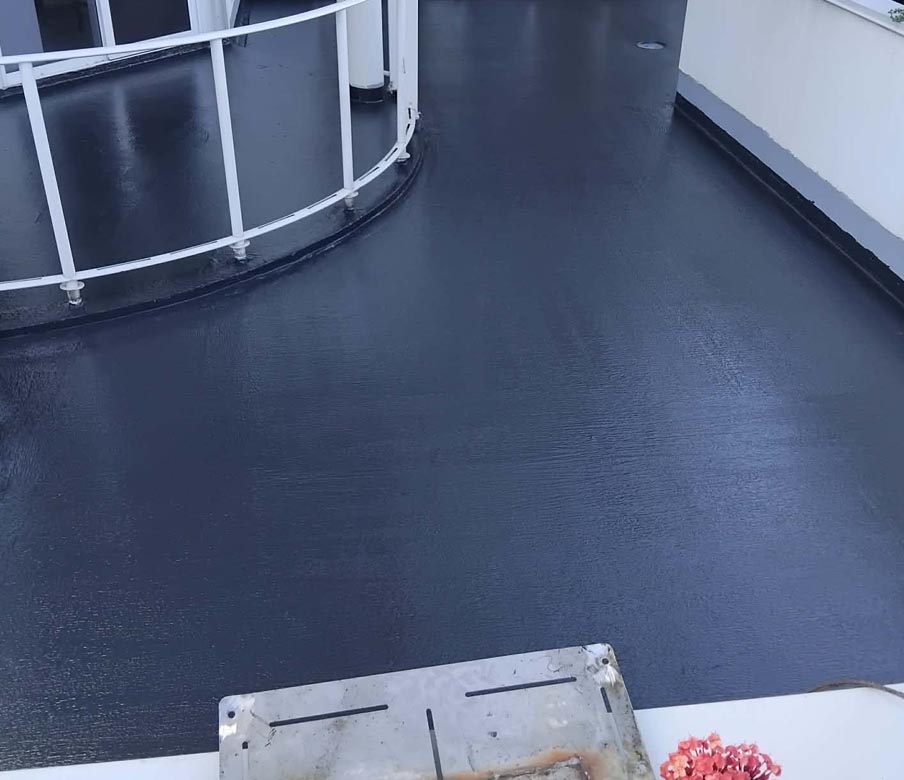
Liquid-applied waterproofing membranes can be used on either the positive or negative side of an underground structure.
Polyurethane and polymer-modified bituminous coatings are typically rolled, sprayed or trowelled onto prepared concrete surfaces. Once cured, they form a continuous and fully bonded waterproof barrier.
- Suitable for:
Basement walls, lift pits, retaining walls and irregular concrete surfaces where conventional sheet membranes may be difficult to install. - Main advantage:
The membrane bonds directly to the substrate, helping reduce the possibility of water travelling laterally behind the waterproofing system if localised damage occurs.
2. Sheet Membrane Waterproofing – HDPE or Bituminous
Preformed waterproofing sheets can be installed externally against underground structures before backfilling.
Common systems include self-adhesive bituminous membranes and HDPE waterproofing or drainage sheets. Some HDPE systems also create a drainage cavity that directs groundwater toward subsoil drainage.
- Suitable for:
New basements and larger below-ground structures where the exterior of the structure remains accessible during construction. - Main advantage:
Sheet systems can provide strong resistance to hydrostatic pressure and mechanical stresses when correctly detailed and protected.
3. Crystalline Waterproofing
Crystalline waterproofing operates differently from conventional surface membranes.
Chemical compounds can either be incorporated into the concrete mix or applied as a slurry to the concrete surface. These chemicals react with moisture and components within the concrete to form insoluble crystals that block pores and capillary pathways.
- Suitable for:
Suspended slabs, tunnels, water-retaining structures and underground structures requiring long-term waterproofing protection. - Main advantage:
Because the waterproofing mechanism develops within the concrete itself, the system is less susceptible to surface puncture, UV deterioration or membrane delamination. Some crystalline systems may also reactivate when moisture enters minor cracks.
4. Bentonite Clay Waterproofing
Bentonite systems use naturally expansive clay that swells when exposed to water.
The material may be supplied as panels or incorporated into specialised waterproofing systems installed against excavation surfaces before structural concrete is poured.
When exposed to moisture, the bentonite expands and creates a dense barrier against water penetration.
- Suitable for:
Deep basements, foundations poured against shoring, structures constructed against blinding concrete and locations subject to significant hydrostatic pressure. - Main advantage:
Bentonite has self-sealing characteristics. Small penetrations or gaps can potentially become sealed when the clay hydrates and expands.
5. Polyurethane Injection Waterproofing
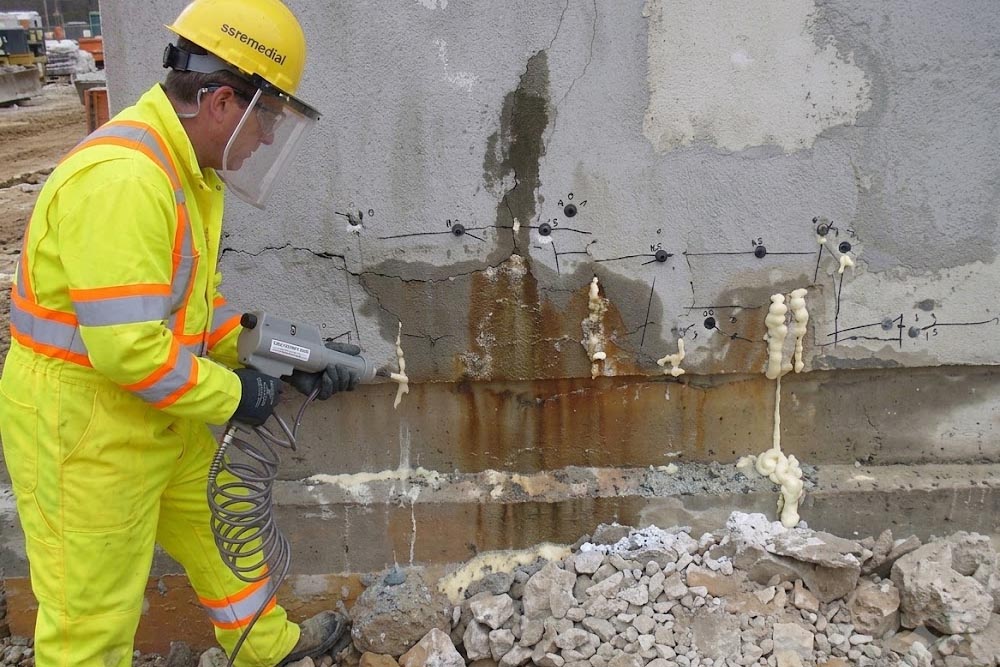
Polyurethane injection is particularly useful for remedial waterproofing of existing underground concrete structures.
Low-viscosity polyurethane resin is injected under pressure into leaking cracks, construction joints, honeycombed concrete and other pathways allowing groundwater to enter.
When certain polyurethane resins encounter water, they react and expand to create a flexible foam or resin seal.
- Suitable for:
Active leaking cracks, construction joints, penetrations, damp sections of concrete, basements, lift pits and other existing subterranean structures. - Main advantage:
Injection waterproofing can treat specific leakage pathways from inside the structure where external excavation or waterproofing may be difficult or impractical.
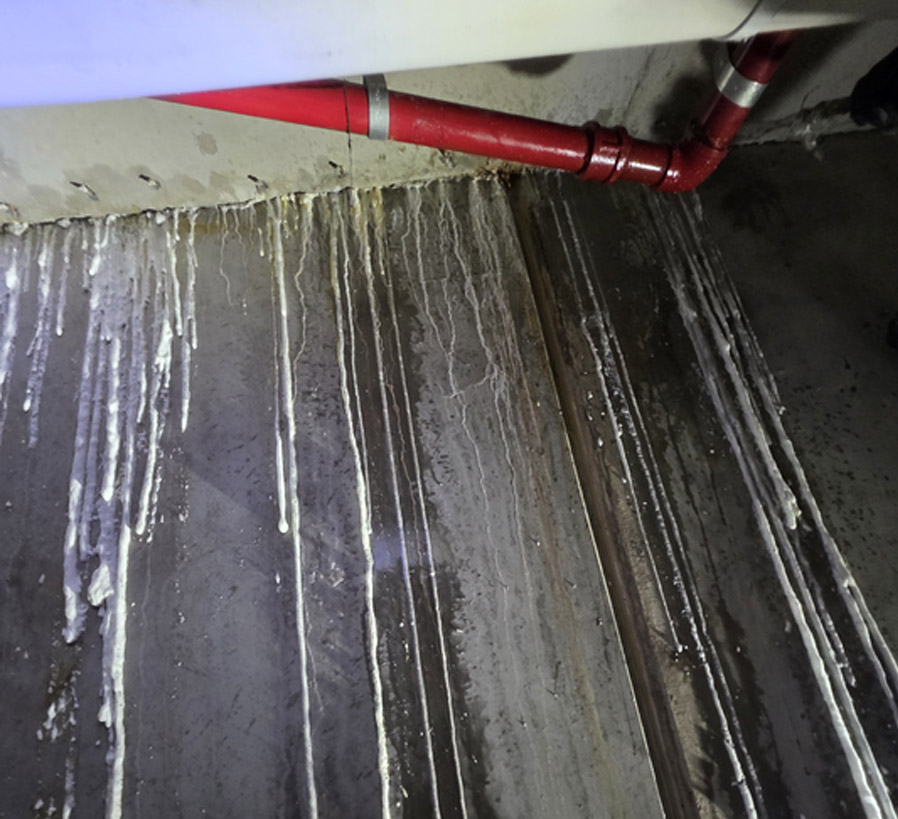
Commercial Polyurethane Injection Waterproofing
Choosing the Right Underground Waterproofing System
The appropriate system depends on factors including:
- groundwater and hydrostatic pressure
- soil conditions
- water-table depth
- structural design
- accessibility
- whether the structure is new or existing
- whether external waterproofing can be installed
- the location and nature of existing water ingress
The article notes that coastal Gold Coast sites may experience sandy soils and high groundwater conditions, while Brisbane sites can encounter reactive soils and fluctuating groundwater.
In many situations, the most effective waterproofing strategy involves combining multiple systems rather than relying on a single treatment. For example, integral crystalline waterproofing may be combined with liquid membranes or specialised detailing around joints and penetrations.
For basements, lift pits, retaining walls and other underground concrete structures, S&S Remedial recommends assessing waterproofing requirements as early as possible, ideally during the design phase, to minimise future water-ingress problems.
The page also includes calls to action promoting S&S Remedial’s liquid-applied membrane waterproofing services, free consultation and waterproofing services across Brisbane and Southeast Queensland.