
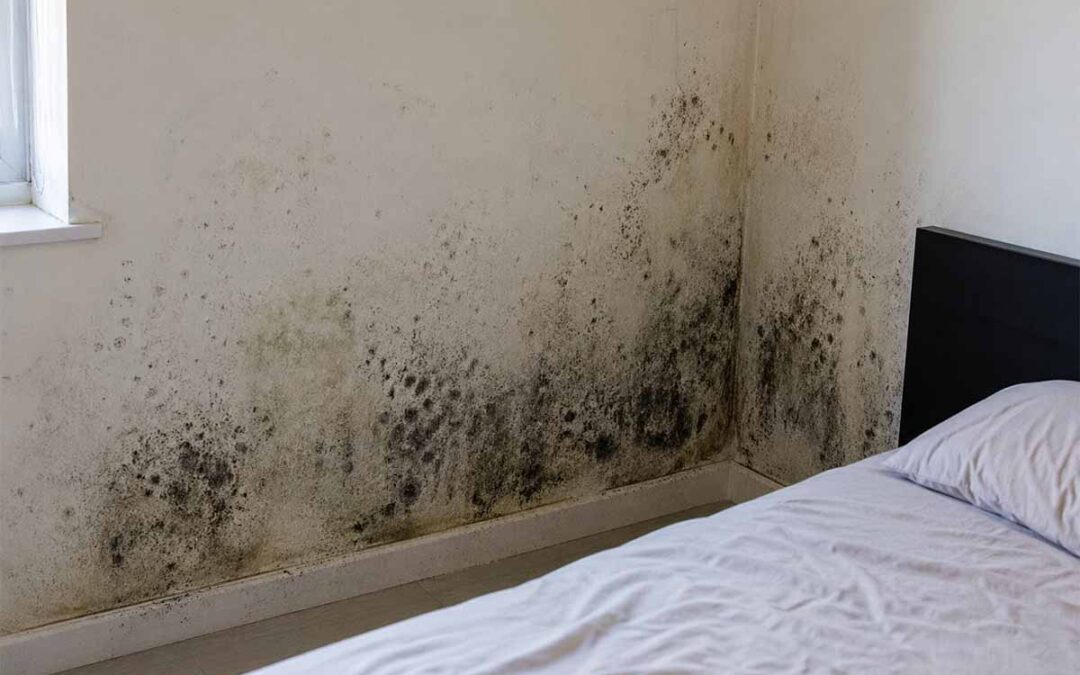
Rising damp in brick walls rarely starts as a dramatic problem. You may first notice bubbling paint, powdery plaster, white salt deposits or a faint tide mark near the bottom of the wall. Over time, however, persistent moisture can damage plaster, skirting boards and decorative finishes while leaving rooms feeling damp and musty.
For homeowners searching for how to fix rising damp in brick walls, the most important thing to understand is that painting over the affected area is not a permanent solution. Rising damp needs to be diagnosed correctly and the pathway allowing groundwater to travel through the masonry needs to be addressed.
DIY treatment is also strongly discouraged. Rising damp can easily be confused with leaking pipes, penetrating rain, condensation, failed waterproofing or drainage problems. Even when rising damp is correctly identified, incorrect drilling, poor damp-proof course placement, inadequate chemical distribution or failure to deal with salt-contaminated masonry can leave the underlying problem unresolved.
The good news is that many cases of rising damp can be treated professionally without major structural reconstruction.
What Is Rising Damp in Brick Walls?
Brick and mortar are porous materials containing extremely small pores and capillaries. When masonry remains in contact with moisture from the ground, water can migrate upward through these pores by capillary action.
Buildings are normally protected by a damp-proof course (DPC). This barrier is positioned near the base of the wall to interrupt the upward movement of groundwater.
Rising damp can develop when the original DPC is:
- missing from older masonry
- deteriorated or ineffective
- incorrectly installed
- damaged during building work
- bridged by soil, paving, render or landscaping
Once moisture bypasses this barrier, it can move progressively upward through the brickwork and mortar.
The moisture may also carry dissolved salts from the ground and masonry. As the water evaporates, these salts remain behind and can contribute to staining, deterioration of plaster and recurring damp-looking surfaces.
Common Signs of Rising Damp
One of the challenges with rising damp is that several other moisture problems can produce similar symptoms.
Typical warning signs include:
- dampness concentrated around the lower section of a wall
- a visible tide mark above floor level
- bubbling, blistering or peeling paint
- crumbling or deteriorating plaster
- white crystalline deposits or efflorescence
- damaged skirting boards
- persistent musty smells
- discolouration of brickwork or wall finishes
- recurring deterioration after repainting
These symptoms can indicate rising damp, but they are not sufficient on their own to confirm the diagnosis.
That is why the first stage of an effective repair should always be proper investigation.
Step 1: Confirm That It Is Actually Rising Damp
Before deciding how to fix rising damp in brick walls, determine where the moisture is coming from. A professional damp investigation considers the location and distribution of moisture rather than assuming every damp wall has a failed DPC.
Possible alternative causes include:
- Plumbing leaks from concealed water or waste pipes.
- Penetrating damp caused by rain entering through cracks, defective masonry, windows or external walls.
- Failed waterproofing around bathrooms, balconies, retaining walls or other wet areas.
- Poor external drainage that allows excessive water to accumulate against the building.
- Condensation caused by high indoor humidity and inadequate ventilation.
- High external ground levels that allow moisture to bypass the original DPC.
A correct diagnosis prevents money being spent on a damp-proofing treatment that does not address the actual source of the problem.
Step 2: Check for a Bridged Damp-Proof Course
Sometimes the existing DPC is still functional but has effectively been bypassed.
This is known as DPC bridging.
For example, garden soil, concrete paths, paving or landscaping may have been installed too high against an external wall. Moisture can then travel through masonry above the level of the original damp-proof course.
Render can sometimes create a similar problem if it extends across the DPC and provides a continuous moisture pathway.
The surrounding property should therefore be inspected for:
- elevated garden beds
- soil against external walls
- paving or concrete positioned too high
- render bridging the DPC
- inadequate surface drainage
- water ponding against walls
- leaking downpipes
- overflowing gutters
Where bridging is contributing to the problem, correcting the external condition may form an important part of the remedial work.
Step 3: Install a New Chemical Damp-Proof Course
When an existing DPC has failed or an older brick wall does not have an effective moisture barrier, a chemical injection damp-proof course can often be installed without dismantling the wall. This is one of the most practical professional solutions for existing brick masonry.
Small holes are drilled at predetermined intervals along an appropriate mortar course. A specialised damp-proofing product is then introduced into the masonry to establish a water-repellent zone.
At S&S Remedial, rising damp treatments incorporate Westox damp-proofing systems, depending on the construction and condition of the affected wall. Once correctly installed, the chemical DPC interrupts the capillary pathway that previously allowed groundwater to rise through the masonry.
However, simply injecting the wall does not automatically repair everything that has already been affected by years of moisture. The salts and damaged finishes also need attention.
Step 4: Deal With Salt-Contaminated Masonry
This is one of the most frequently overlooked parts of rising damp treatment.
Groundwater can carry soluble salts into brickwork and plaster. As moisture evaporates from the wall, those salts remain behind. Some salts are hygroscopic, meaning they can attract moisture from the surrounding air. As a result, a wall may continue to appear damp even after the original source of rising moisture has been controlled.
Depending on the severity of contamination, treatment may involve removing deteriorated plaster or render and treating salt-affected masonry before reinstatement. S&S Remedial can incorporate specialist Westox salt-management treatments, such as desalination or salt-control products, where appropriate to the condition of the masonry.
This is why simply painting over rising damp usually produces disappointing results. New paint may look good initially, but residual moisture and salts can cause bubbling, staining and deterioration to return.
Step 5: Allow the Wall to Dry Properly
Installing a new DPC stops or substantially reduces the continuing upward moisture pathway, but the wall may already contain considerable moisture. That moisture needs time to dissipate. Drying time varies according to wall thickness, type of brick and mortar, initial moisture content, ventilation, temperature and humidity, salt concentration, wall finishes and surrounding ground conditions
Trying to seal a damp wall immediately with inappropriate impermeable coatings can interfere with drying and contribute to further finish failures. The reinstatement system therefore needs to account for the condition of the existing masonry.
Step 6: Repair Damaged Plaster, Render and Finishes
Once the moisture source has been controlled and contaminated materials have been appropriately treated or removed, damaged finishes can be reinstated.
This may involve repairing or replacing plaster, render, skirting boards, damaged paint systems, deteriorated mortar & other moisture-affected finishes.The objective is not simply to make the wall look new again. Reinstatement needs to complement the damp treatment and account for residual moisture and salt contamination.
Otherwise, the underlying damp problem may have been treated successfully while the replacement finishes fail prematurely.
Step 7: Correct Drainage and External Moisture Problems
A chemical DPC is only one component of effective rising damp management. The conditions around the building should also be considered.
Where appropriate, remedial measures can include improving surface drainage, lowering excessive ground levels, repairing leaking gutters or downpipes, improving subfloor ventilation and preventing water from continually accumulating against external walls. Cracks and other pathways for penetrating moisture should also be investigated.
A comprehensive approach reduces the amount of moisture surrounding the structure instead of relying on a single treatment to compensate for poor site conditions.
Can Rising Damp Be Fixed Without Major Structural Work?
In many cases, yes.
Modern remedial damp-proofing methods can often establish a new moisture barrier without removing and rebuilding an entire brick wall.
Depending on the cause and condition of the property, professional treatment may combine:
- Chemical DPC injection to control capillary moisture movement.
- Salt treatment or desalination to manage contamination within masonry.
- Removal of damaged plaster or render where existing finishes have deteriorated.
- Drainage and ground-level correction to reduce moisture exposure around the building.
- Membrane waterproofing where additional water-ingress problems are present.
- Crack and joint repairs where defects provide separate pathways for moisture.
The correct combination depends on what the investigation finds.
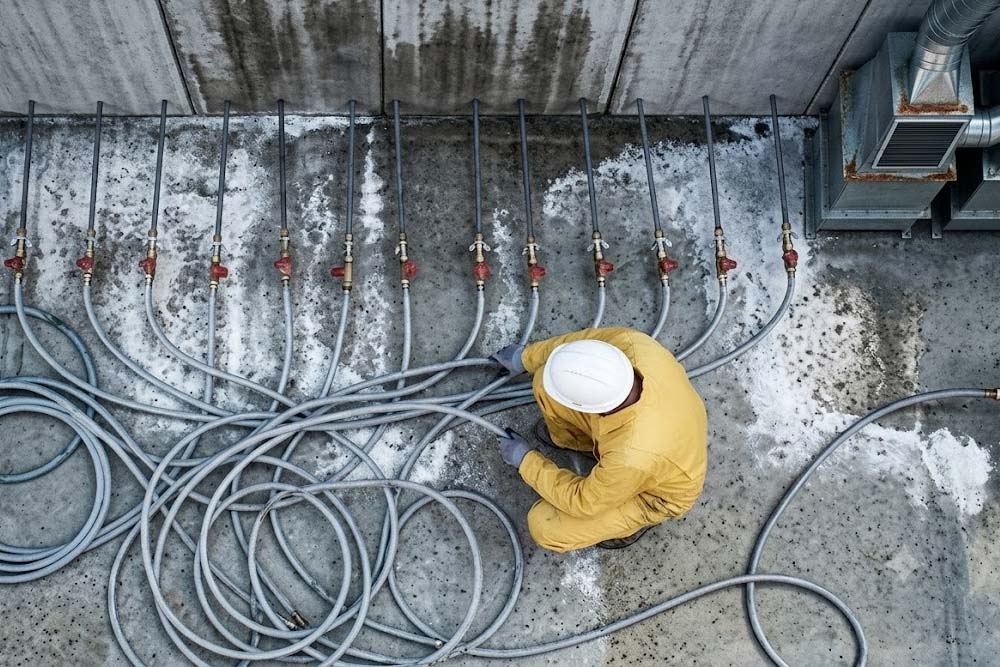
Less Invasive Damp Proofing Treatment
Why Painting Over Rising Damp Doesn’t Work
Painting is a decorative treatment, not a damp-proof course. If groundwater is still moving upward through the brickwork, applying another coat of paint does nothing to interrupt that moisture pathway. In fact, repeatedly applying dense coatings can make the symptoms more frustrating because moisture and salts continue accumulating behind the finish.
You may see: blistering paint, bubbling coatings, staining, powdery surfaces, flaking plaster and recurring efflorescence. The same principle applies to simply replacing damaged plaster without addressing the moisture source.
Treat the moisture pathway first. Repair the finishes second.
Why DIY Rising Damp Injection Can Go Wrong
Chemical DPC products may appear straightforward, but successful damp-proofing depends heavily on correct diagnosis and installation. Drilling holes and injecting a product without understanding the construction of the wall can result in an incomplete moisture barrier.
Problems can include incorrect drilling height, inappropriate hole spacing, insufficient treatment, unsuitable products, poor distribution through the mortar course and failure to identify cavities or unusual masonry construction.
More importantly, if the moisture is actually coming from a leaking pipe, external water penetration or failed waterproofing, installing a chemical DPC will not solve the real problem. A professional assessment therefore comes before treatment.
Professional Rising Damp Treatment in Brisbane and the Gold Coast
Rising damp is rarely solved effectively by treating what can be seen on the surface.
At S&S Remedial, we investigate the source of moisture before recommending a remedial system. With more than 20 years of experience in remedial waterproofing and building repairs, our team can develop a treatment strategy based on the condition and construction of the property.
Depending on the diagnosis, our rising damp solutions uses Westox chemical damp-proof course injection, salt-management treatments, remedial waterproofing, membrane systems and associated masonry repairs.
This allows the treatment to address both the pathway bringing moisture into the wall and the damage it has already caused.
Need Help With Rising Damp in Brick Walls?
If paint keeps bubbling, plaster is deteriorating or dampness continues returning along the bottom of your brick walls, repeatedly covering the symptoms is unlikely to provide a lasting solution. S&S Remedial provides professional investigation and remedial solutions for rising damp and associated water-ingress problems across Brisbane and the Gold Coast. Have the wall properly assessed, identify the moisture pathway and use a damp-proofing solution designed for the actual condition of the building.
Stop treating the symptoms. Fix the source of the rising damp and protect the masonry for the long term.