

Brick Wall Waterproofing Brisbane and Gold Coast
Permanent Brick Wall Waterproofing for Homes and Commercial Buildings
Service Details
Moisture entering brickwork can lead to staining, efflorescence, mould growth, deteriorated mortar, spalling bricks and damage to internal finishes. In many cases, the visible damage is only a symptom of a deeper waterproofing or moisture-management problem.
S&S Remedial Services provides professional brick wall waterproofing across Brisbane, Gold Coast, Logan and Ipswich. We investigate the source of moisture before recommending a suitable remedial waterproofing system, helping property owners address the underlying cause rather than simply covering the visible damage.
Our brick waterproofing solutions are suitable for residential, commercial and remedial applications, including external brick walls, retaining walls, basements, boundary walls, below-ground masonry and structures affected by rising or penetrating damp.
Brick Wall Waterproofing Solutions
Different moisture problems require different waterproofing methods.
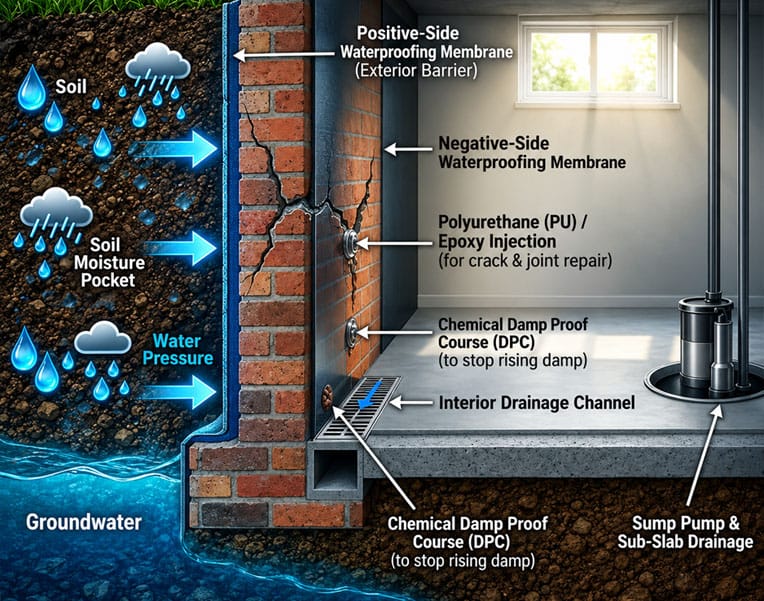
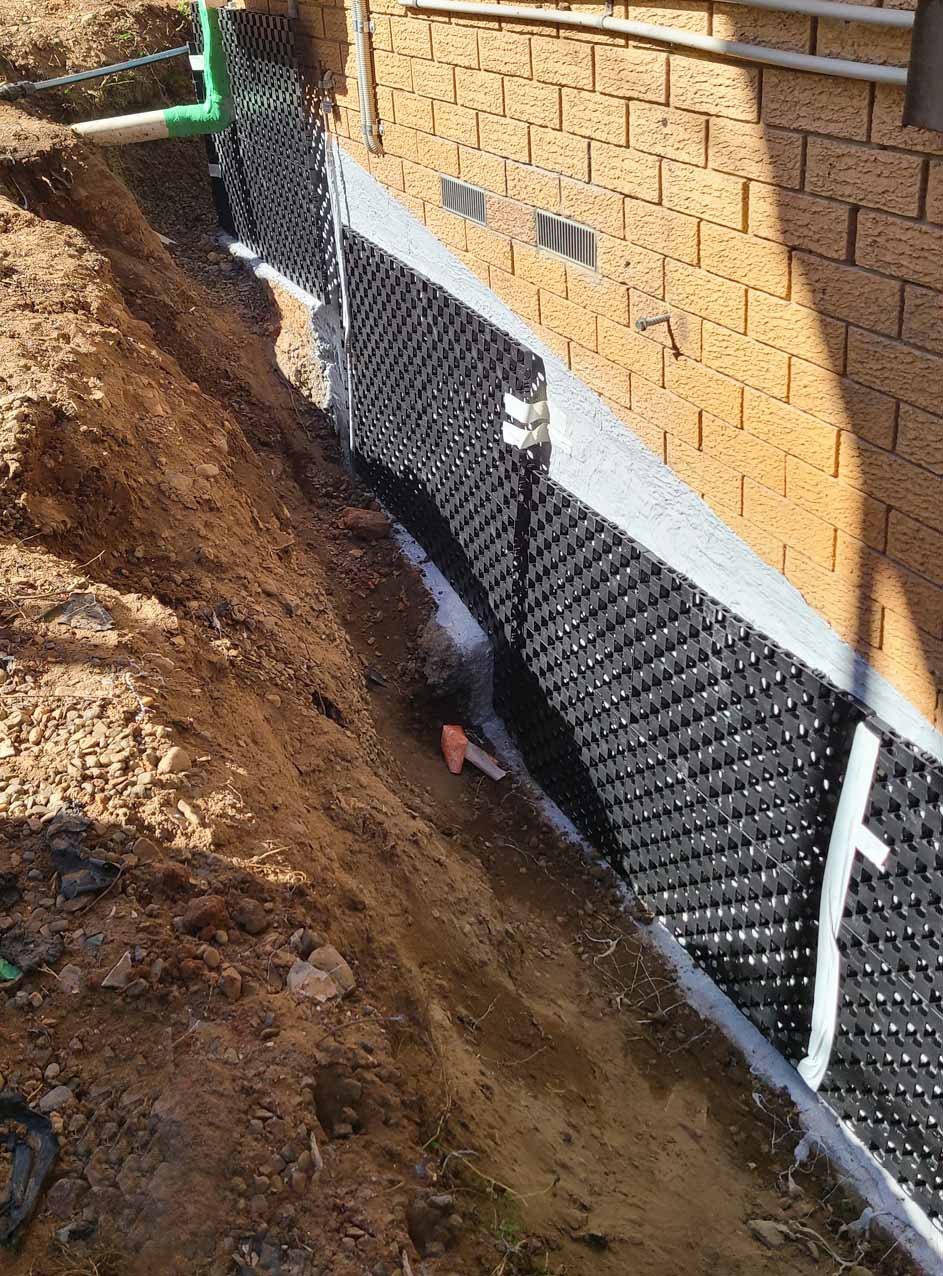
1. Positive-Side Membrane Waterproofing
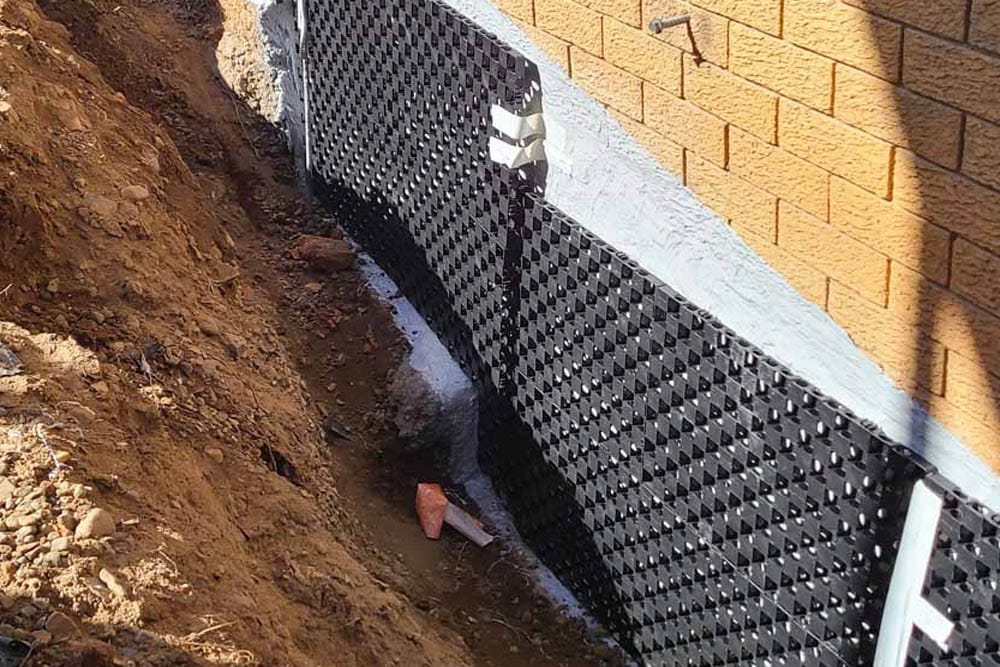
Positive-side membrane waterproofing is applied to the side of the brick wall that is directly exposed to water. This method is commonly used where the external face of the wall is accessible, including retaining walls, basement walls and below-ground masonry.
2. Negative-Side Membrane Waterproofing
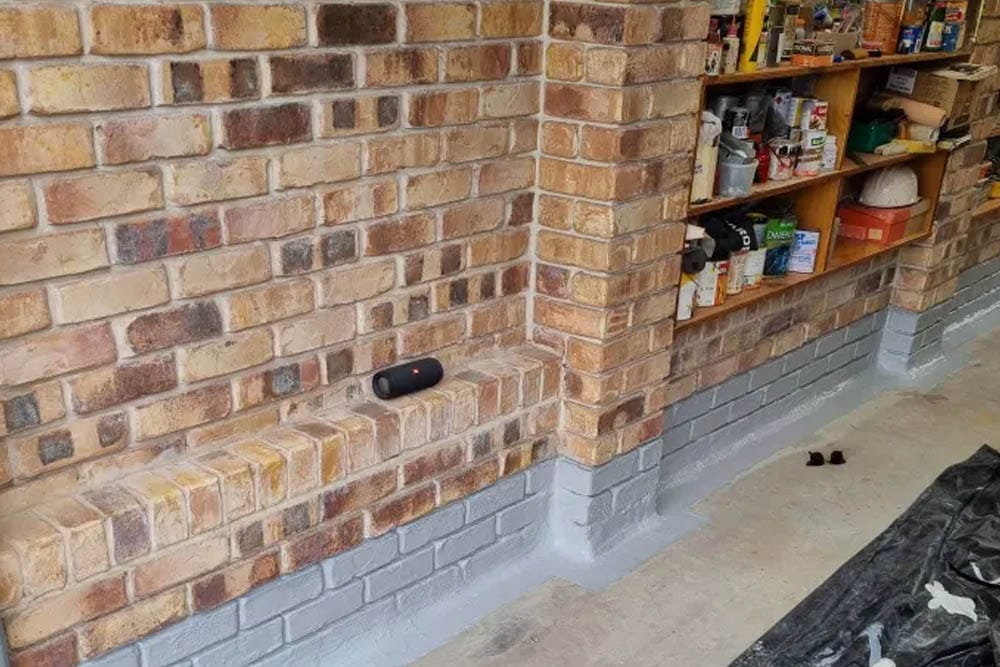
Negative-side membrane waterproofing is applied to the internal or accessible face of a wall when the external side cannot be reached. It is commonly used for basements, retaining structures and other below-ground areas where excavation is impractical.
3. Chemical Injection Damp-Proof Course for Rising Damp
Rising damp occurs when moisture moves upward through porous brickwork by capillary action. Where an existing damp-proof course is missing, deteriorated or ineffective, a chemical injection damp-proof course can be installed to help create a new moisture barrier within the wall.
4. Polyurethane Crack Injection
Polyurethane crack injection is used to help stop active water ingress through cracks, joints and voids in masonry and surrounding structural elements. The PU resin reacts within the crack and expands to form a flexible water-resistant seal.
5. Epoxy Crack Repair
Epoxy crack repair is generally used where cracks require a rigid structural repair rather than a flexible water-stopping treatment.
6. Joint and Penetration Sealing
Movement joints, construction joints, pipe penetrations, wall junctions and other interfaces can become common pathways for water ingress.
Our Brick Wall Waterproofing Process
Site Inspection and Moisture Assessment
Where required, the investigation may also consider external ground levels, drainage, flashing, penetrations and adjacent structural elements.
Identify the Moisture Source
This step is important because different causes require different waterproofing methods.
Surface and Masonry Preparation
Loose coatings, deteriorated mortar, contamination and unstable materials may need to be removed before waterproofing.
Cracks, voids and damaged areas are addressed where required to create a suitable substrate.
Crack Injection and Joint Repair
Active leaks, cracks and defective joints may require injection, sealing or remedial repair before the waterproofing membrane is applied.
Waterproofing Installation
The selected membrane, coating, damp-proof course or injection system is installed according to the project requirements and product specifications.
Particular attention is given to transitions, penetrations, corners, junctions and other areas where waterproofing commonly fails.
Curing and Final Inspection
The completed system is allowed to cure as required.
The area is then inspected to confirm that the waterproofing treatment has been completed in accordance with the agreed scope.
Why Choose Us?
Integrated Remedial Waterproofing Experience
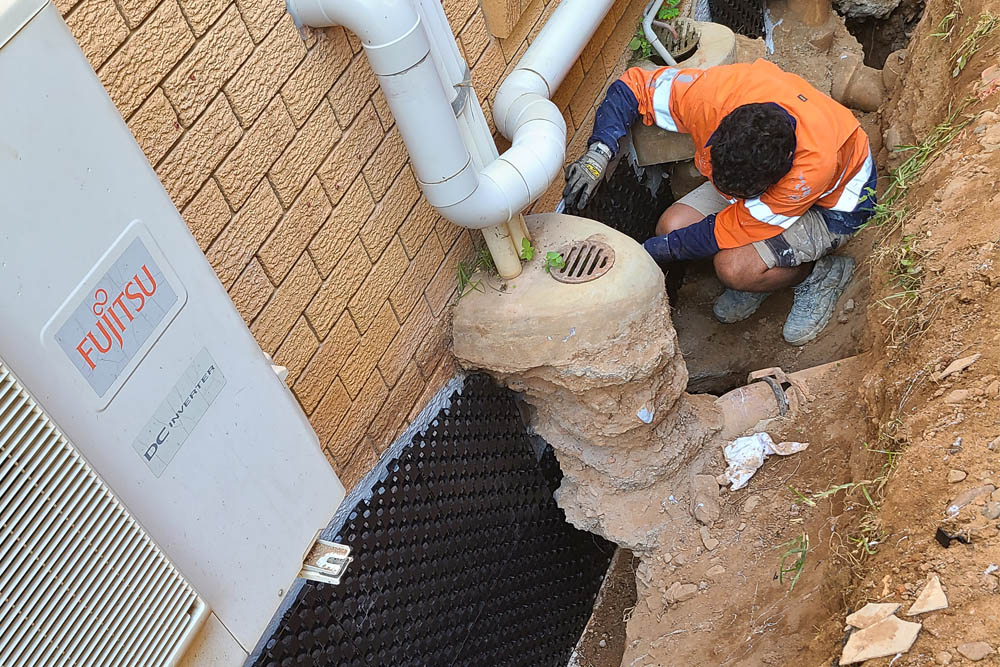
Brick wall waterproofing often involves more than applying a surface coating. Our work can include moisture investigation, membrane waterproofing, crack injection, rising damp treatment, masonry repairs, joint sealing and associated substrate rectification.
More Than 20 Years of Industry Experience
Our experience extends across waterproofing, moisture remediation, concrete repair, rising damp treatment and building-envelope defects.This enables us to assess brick walls as part of the wider structure rather than treating the masonry in isolation.
Investigation Before Treatment
We focus on identifying the most likely source before recommending a repair method.
QBCC-Licensed Contractor
S&S Remedial Services operates as a QBCC-licensed waterproofing contractor and undertakes applicable waterproofing and remedial work with compliance for the National Construction Code and relevant Australian Standards.
Suitable Solutions for Difficult Access
Some brick walls cannot be practically excavated from the external side. Where positive-side waterproofing is not feasible, we can assess whether negative-side waterproofing, injection systems or other remedial approaches are appropriate.
COMPLIANCES





As experienced Brisbane or Gold Coast waterproofing company, compliance isn’t a checkbox—it’s the backbone of our structural integrity. As a fully QBCC-licensed waterproofing specialist, every retaining wall, basement and foundation waterproofing project we touch is engineered to strictly exceed Australian Standards AS 3740 and AS 4654. We don’t just patch problems; we deliver certified, long-term compliance that safeguards your property value, satisfies insurers, and guarantees peace of mind.
Signs Your Brick Wall Has Moisture Problems
Identifying the specific visual sign helps narrow down whether the issue stems from rising damp, penetrating damp, or trapped condensation.
1. Efflorescence (Salt Deposit)
Efflorescence appears as a white, powdery, or crystalline film across the brick face or mortar joints. This occurs when water dissolves natural salts within the masonry, leaving salt deposits behind on the surface as the moisture evaporates. While non-structural on its own, it serves as a clear diagnostic indicator of active water movement through the wall assembly.
2. Spalling (Surface Flaking & Cracking)
Spalling occurs when bricks flake, pit, chip, or pop off at the face, exposing the softer interior core. Water trapped inside porous brick expands during freeze-thaw cycles, or sub-florescence creates hydraulic pressure beneath the surface that fractures the hard outer skin.
3. Damp Patches & Dark Staining
Damp patches present as darkened, wet-looking areas on the brickwork, mortar lines, or internal plaster that remain saturated even during dry weather. Saturated masonry absorbs ambient humidity or direct water ingress from leaking gutters, failed flashing, or lateral earth pressure.
4. Mold, Mildew & Moss Growth
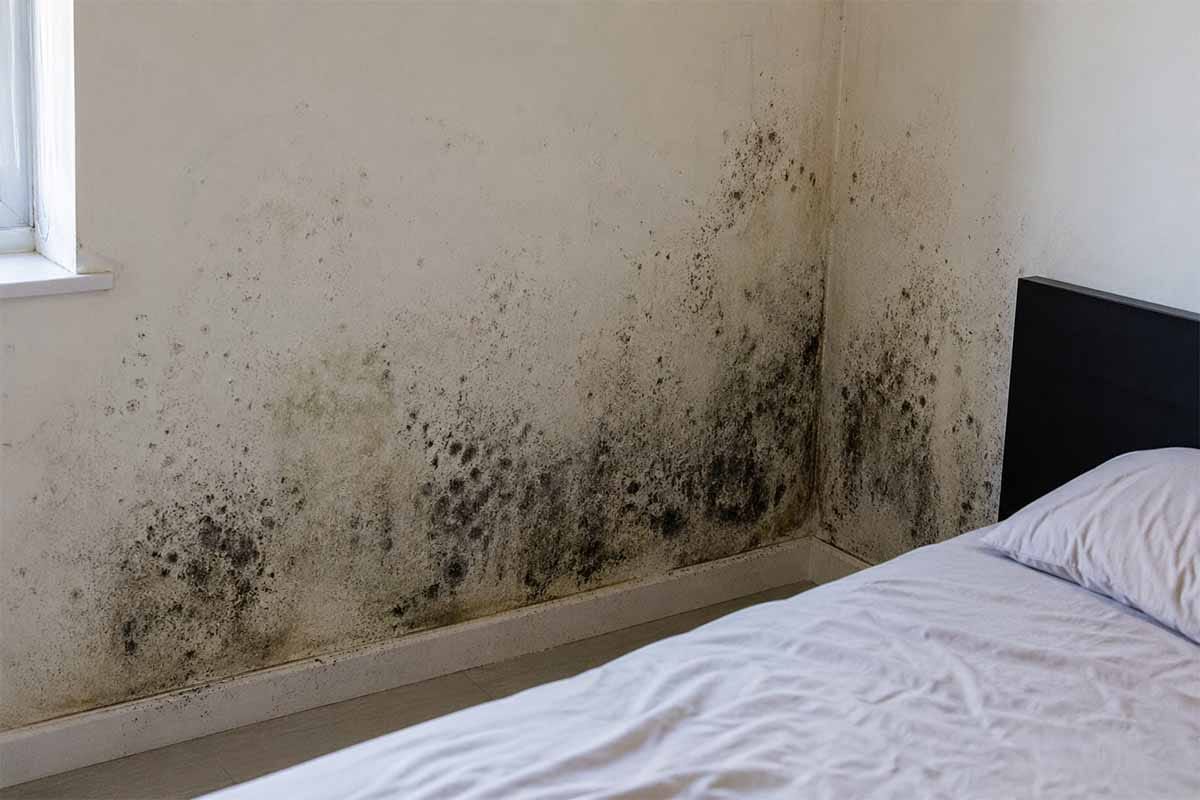
Mold and organic growth show up as black, green, or white patches clinging to mortar joints and brick surfaces. Persistent high moisture levels combined with poor airflow create an ideal environment for fungal spores and algae to colonize the porous substrate.
5. Peeling, Blistering, or Flaking Finish
Peeling occurs when paint, sealant, or render bubbles up, flakes off, or loses adhesion to the masonry face. Non-breathable acrylic or elastomeric coatings trap vapor behind the masonry, creating hydrostatic pressure that forces the coating away as water tries to escape.
Every day you wait, the leak gets worse. Protect your family’s health—Contact our licensed waterproofing experts now!
For Emergency Brick Wall Membrane Waterproofing Gold Coast & Brisbane!
From rooftop to basement waterproofing, we provide tailored business and house proofing solutions backed by industry expertise and proven results.
Brand We Trust

We exclusively partner with leading Australian manufacturers to source industrial-grade waterproofing systems. Formulated specifically to withstand Australia’s harshest climate extremes—from intense UV radiation to sudden tropical downpours—these products deliver heavy-duty, certified protection that safeguards your concrete, your asset, and your bottom line.
Testimonials

“We’d been dealing with rising damp and white salt marks along the bottom of the brick walls in our New Farm Queenslander for quite a while. S&S Remedial checked where the moisture was coming from and recommended a chemical damp-proof course and brick sealer. The walls have dried out really well, and the best part is the original brickwork still looks like it should.”
Mark T. – New Farm, Brisbane
“Our place in Broadbeach Waters is close to the water, so moisture had become a constant problem around our garden wall and foundations. S&S Remedial explained what was happening and waterproofed the affected brickwork with a membrane and protective coating. The whole job was handled professionally, and they left everything clean and tidy when they finished.
Sarah & David K. – Broadbeach Waters, Gold Coast
“Every time we had heavy rain in Brisbane, water would find its way through the brick wall into our basement. S&S Remedial found cracks in the mortar joints, injected and sealed the problem areas, and waterproofed the external brickwork. We’ve had some decent rain since and the basement has stayed completely dry.
Jason M. – Paddington, Brisbane
“We kept getting white salt deposits and flaking on an external brick wall at our Robina property. S&S Remedial inspected it properly and found an issue with the damp-proofing. They repaired and treated the brickwork, and the difference has been excellent. Really knowledgeable team who clearly understand waterproofing and moisture problems.”
Elena R. – Robina, Gold Coast
“We had moisture coming through a brick retaining wall and into the side courtyard. S&S Remedial sorted out the waterproofing behind the wall and also improved the drainage so the water had somewhere to go. Good workmanship, straightforward advice and easy communication from start to finish.”
Greg B. – Hamilton, Brisbane
Michelle L. – Surfers Paradise, Gold Coast
Andrew W. – Ashgrove, Brisbane
“Really good team to deal with. We had leaking joints in a brick retaining wall as well as moisture coming through the rear wall of our split-level home. S&S Remedial explained the different waterproofing options in plain English and recommended what made sense for our property. Prompt, reliable and no unnecessary upselling.”
Peter S. – Indooroopilly, Brisbane
Problems Caused by Delayed Repair of Water Ingress in Brick Walls
1. Masonry Damage
Ongoing moisture can weaken mortar, crack brickwork and cause spalling, where the brick surface flakes or breaks away. Salt deposits and repeated water exposure can accelerate the damage.
2. Structural Problems
Water can rust wall ties, lintels and steel supports, leading to cracks, movement or bulging walls. It can also contribute to footing issues and rot timber joists or beams.
3. Interior Damage
Water leaks can cause damp patches, peeling paint, damaged plaster and crumbling render. Wet insulation becomes less effective, while moisture around electrical wiring can create safety risks.
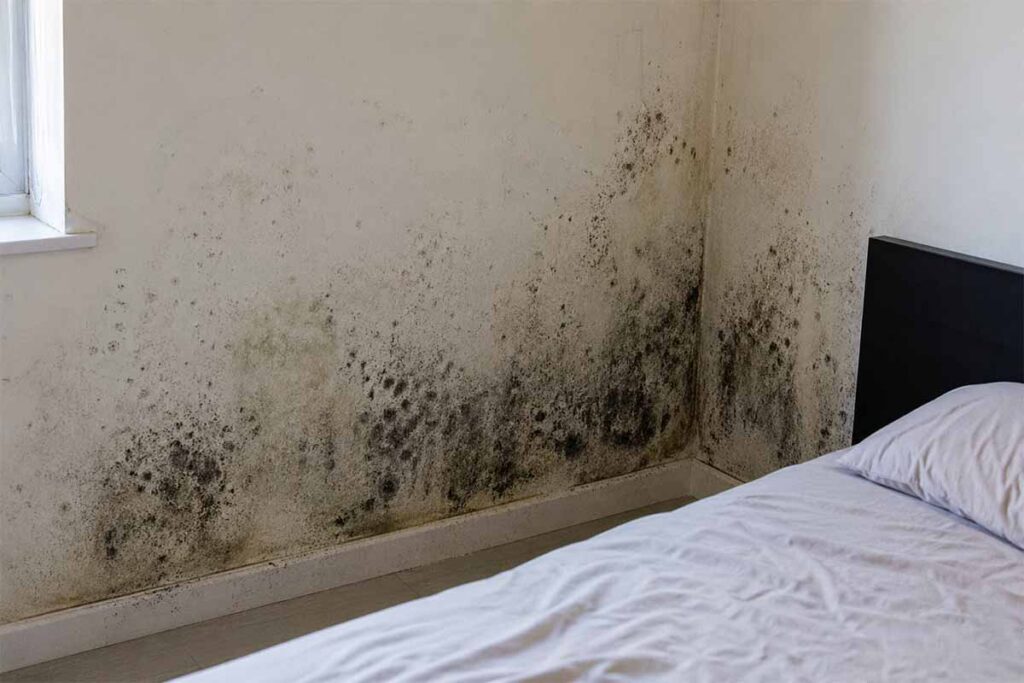
4. Mould and Health Concerns
Persistent damp creates ideal conditions for mould and mildew, affecting indoor air quality and potentially aggravating allergies and respiratory issues. It can also cause musty odours and attract unwanted pests.
Project Gallery
Positive-Side Memrbane Waterproofing
Negative-Side Membrane Waterproofing
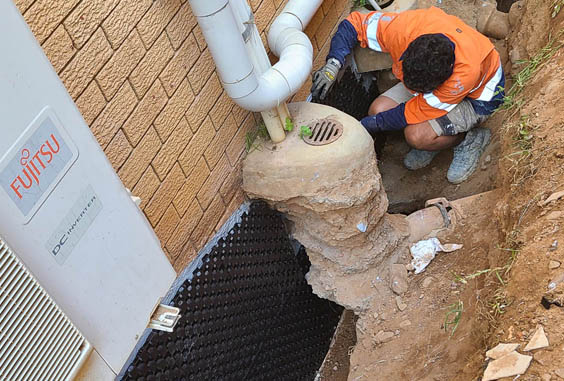
Commercial rising damp solutions
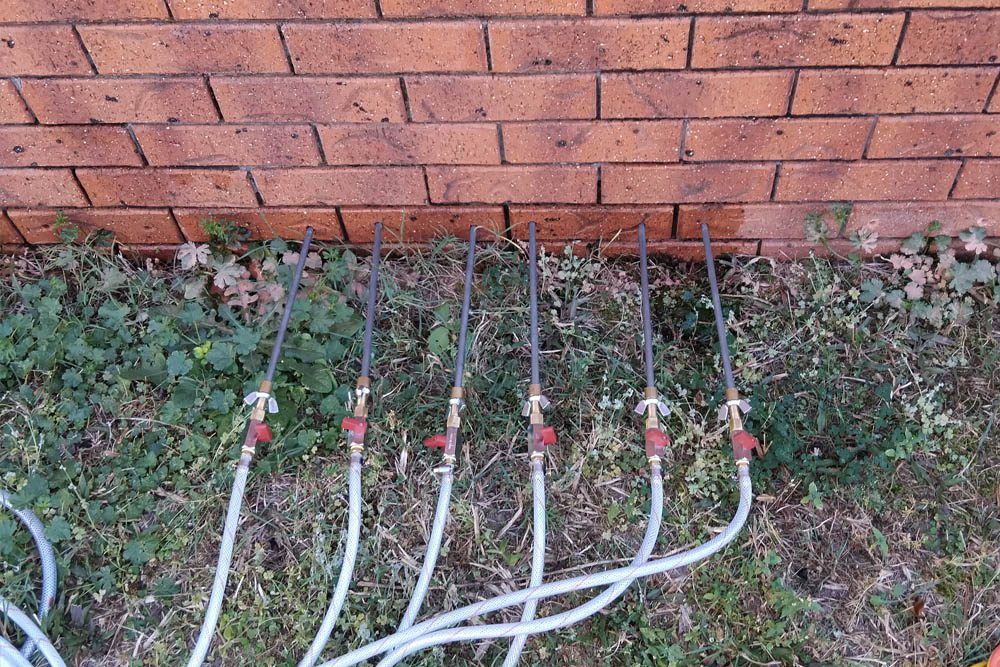
Residential rising damp solutions
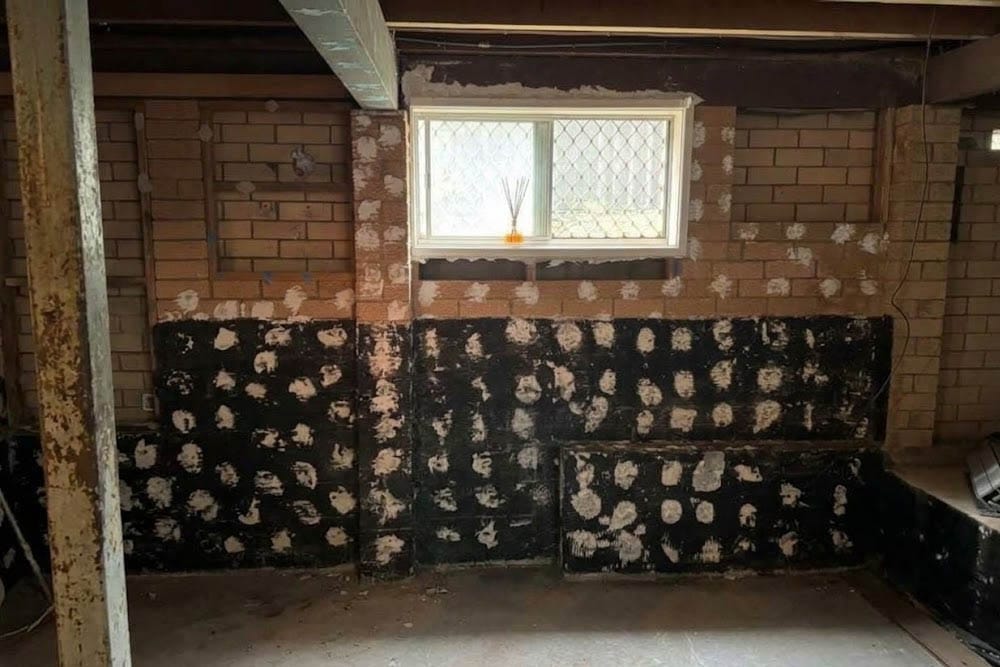
Residential internal brick wall waterproofing
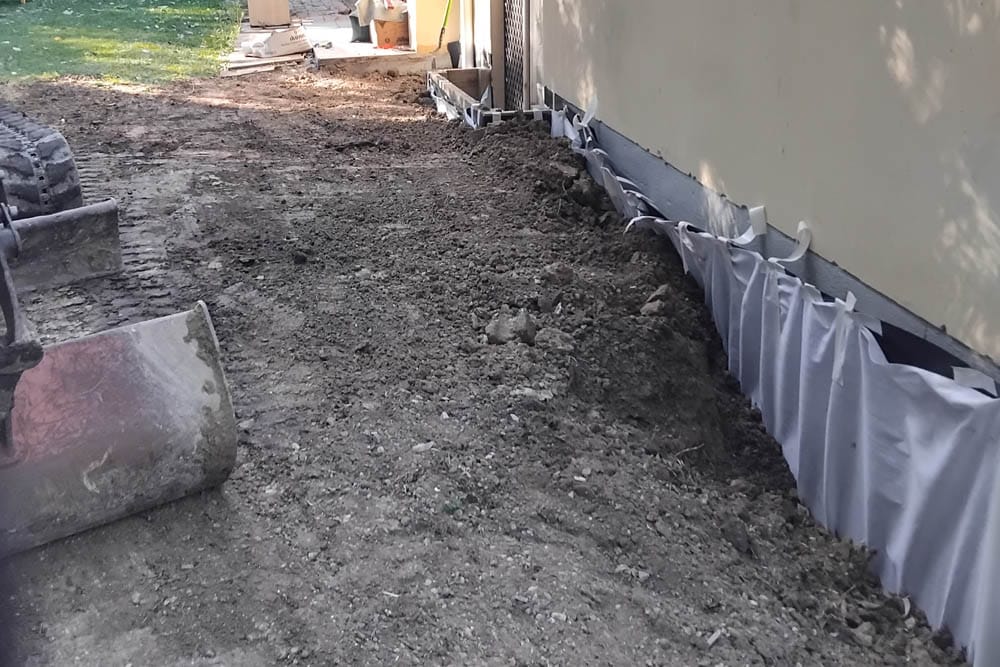
Residential Positive Membrane Waterproofing
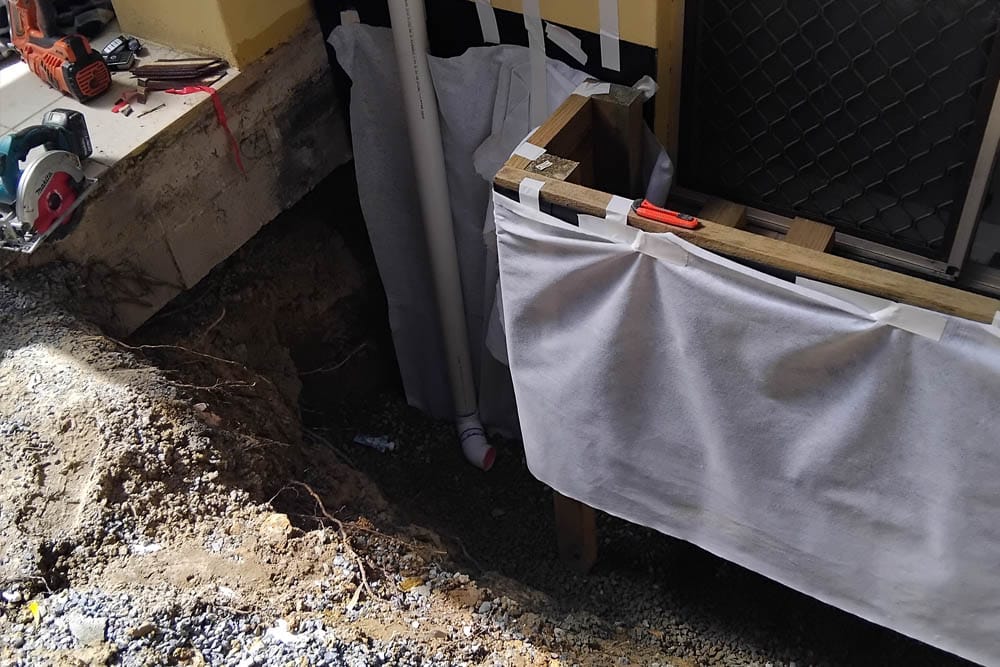
Risidential Brick Wall Waterproofing
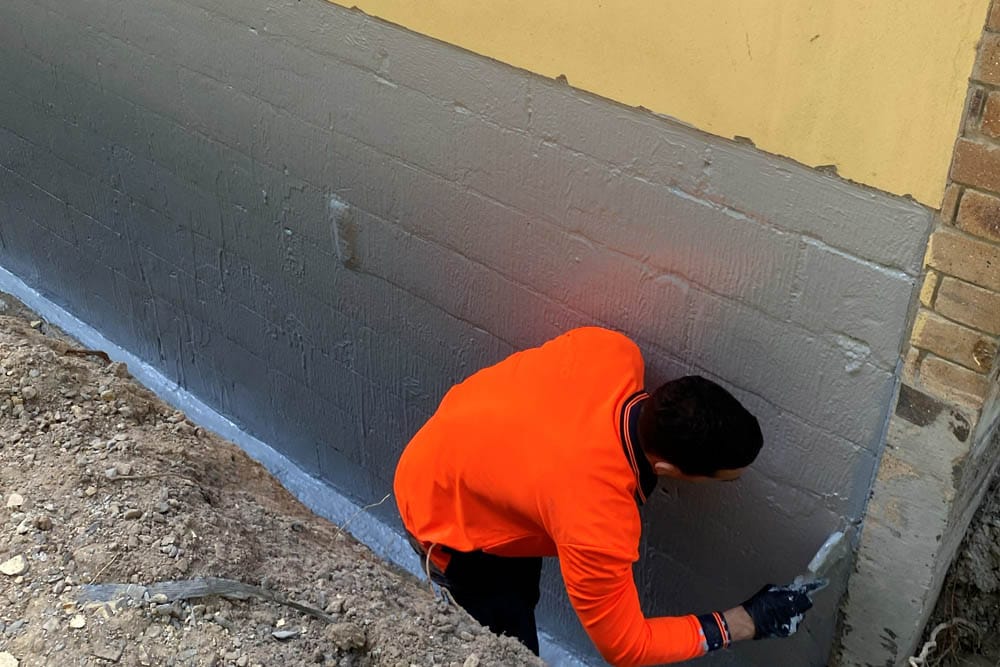
Residential Brick Wall Waterproofing
Frequently Asked Question
Are house rising damp costs covered by home insurance in Australia?
Most Australian insurance companies view moisture or salt damp as a maintenance issue or building defect that develops gradually over time, rather than an unforeseen event they would cover. That’s why homeowners often turn to Brisbaine’s trusted rising damp company for effective, long-lasting damp repair solutions.
What areas of a brick wall are most vulnerable to water ingress?
How to fix rising damp and what are their causes?
Common damp-proofing remediation methods include:
- Chemical injection of a new damp-proof course
- Traditional method of inserting a physical barrier
- Repairing or replacing damaged materials
- Improving drainage and ventilation
Causes
- Porous construction materials
- Poor drainage around the foundation
- Missing or failed damp-proof course (DPC)
- Blocked ventilation
Attempting DIY fixes for rising damp can lead to short-lived results or inadvertently worse structural issues which address underlying issues rather than just surface symptoms.
What is the difference between brick sealing and brick waterproofing?
What is the best waterproofing solution for a leaking brick wall?
Who can fix rising damp in Gold Coast or Brisbane?
A commercial and residential damp proofing specialists near you can assesses moisture damage in walls and floors, identifies the source of water ingress, and applies targeted damp waterproofing solutions—such as chemical damp-proof injections, subfloor ventilation, or membrane systems—to stop moisture rising through masonry.
Professionals Who Can Fix Rising Damp in Gold Coast or Brisbane
- QBCC-licensed waterproofing contractors
Experts in applying chemical damp-proof courses, membranes, and coatings. - Accredited house damp proofing installer in Gold Coast or Brisbane
Focused on diagnosing and treating moisture ingress in masonry and subfloors. - Licensed builders, remedial technicians, and damp proof contractors
Especially those with experience in heritage homes or structural repairs. - Subfloor ventilation experts
Can install systems to reduce humidity and prevent recurrence. - Structural engineers (in severe cases)
Needed if rising damp has caused significant damage to foundations or walls.
How to Find the Best Rising Damp Experts Near Me?
Search for “rising damp specialists near me” on Google and check for their:
- QBCC or state licensing
- Moisture meter diagnostics
- Warranty-backed treatments
- Years of experience
What causes rising damp?
What is a damp-proof course?
A damp-proof course, often called a DPC, is a barrier built into a wall to stop moisture from rising up from the ground. It may be made from plastic, bitumen, slate, metal, or chemical injection systems, depending on the age and type of building.
Can high ground levels cause rising damp?
Yes. If soil, paving, garden beds, or landscaping are too high against an external wall, they can allow moisture to bypass the damp-proof course. This is one of the most common causes of damp problems in older and renovated homes.
Can old buildings be more prone to rising damp?
Yes. Older buildings may have no damp-proof course, or they may have an original DPC made from materials that have deteriorated over time. Older brickwork and mortar can also be more porous, allowing moisture to move upward more easily.
Can damaged brickwork or mortar cause rising damp?
Damaged or porous brickwork and mortar can make moisture movement worse. Cracked mortar joints, soft bricks, and deteriorated render can allow water to enter and move through the wall more easily.
Can leaking pipes cause rising damp?
Leaking pipes do not technically cause rising damp, but they can create damp symptoms that look similar. Plumbing leaks, shower leaks, roof leaks, and condensation should be ruled out before diagnosing rising damp.
How do I choose the right house damp proofing experts near me?
Start by checking if the rising damp contractor is licensed, insured, and experienced with local building standards like QBCC compliance in Queensland. Look for reviews, ask about warranty terms, and ensure they offer a detailed moisture assessment before quoting. A reputable rising damp proofer near you will explain the root cause of your issue and recommend long-term solutions—not just cosmetic fixes
What areas in Queensland do you serve?
Brisbane
- Teneriffe
- New Farm
- Ascot
- Hamilton
- Chandler
- Bulimba
- Hawthorne
- Highgate Hill
- West End
- Paddington
- Chelmer
- Fig Tree Pocket
- St Lucia
- Indooroopilly
- Wilston
- Clayfield
- Bardon
- Norman Park
- Kangaroo Point
- Auchenflower
Gold Coast
- Surfers Paradise
- Mermaid Beach
- Clear Island Waters
- Broadbeach Waters
- Tallebudgera Valley
- Bundall
- Mermaid Waters
- Paradise Point
- Guanaba
- Isle of Capri
- Paradise Waters
- Cronin Island
- Sanctuary Cove
- Hope Island
- Main Beach
- Southport
- Robina
- Tugun
- Arundel
- Burleigh Heads
Ipswich
- Brookwater
- Karalee
- Pine Mountain
- Springfield Lakes
- Augustine Heights
- South Ripley
- Ripley
- Bellbird Park
- Tivoli
- Thagoona
- Bundamba
- Redbank Plains
- Amberley
- Basin Pocket
- Richlands
- Lockyer Waters
- Wulkuraka
- Springfield
- Deebing Heights
Can brick wall waterproofing be carried out without removing the entire wall?
Do you offer a warranty?
Yes. Our foundation & wall salt damp repair come with a 6.5-year workmanship warranty and a 10-year materials guarantee, giving you complete peace of mind.
Can waterproofing stop penetrating damp through bricks?
Do you waterproof basement brick walls?
How much does concrete slab rising damp treatment cost in Brisbane & Gold Coast?
Yes, provided the source of the penetrating damp is correctly identified. Waterproofing may include repairing cracks, sealing joints, treating porous brickwork or installing a suitable membrane system to help prevent rainwater and groundwater from passing through the masonry.
What does a damp proof specialist near me actually do?
A damp proof specialist assesses moisture damage in walls and floors, identifies the source of water ingress, and applies targeted chemical damp waterproofing solutions—such as chemical damp proof injections, subfloor ventilation, or membrane systems—to stop moisture rising through masonry.
Why should I use a Licensed Rising Damp Repair Specialists instead of a general builder?
A Rising Damp repair specialists has specific training and experience in moisture diagnostics and damp-proofing systems. General builders may treat surface symptoms, while a specialist addresses the underlying cause to deliver a permanent damp course repair for residential and commercial properties.
What is negative-side waterproofing for brick walls?
Can polyurethane injection repair leaking brick wall cracks?
Is chemical damp course injection classified as a non-invasive damp proofing solution?
It is more accurately classified as a minimally invasive damp proofing solution because the process involves:
Drilling holes into masonry walls
Injecting chemical damp-proofing materials
Sometimes removing and replacing affected plaster
While it is far less disruptive than installing a physical damp-proof membrane or rebuilding walls, it still physically alters the structure. For that reason, building and remedial damp waterproofing professionals typically consider it:
Minimally invasive → correct classification
Non-invasive → marketing terminology in some cases, but technically inaccurate
How to fix rising damp in brick walls effectively?
Rising damp in brick walls is most effectively fixed by identifying the source of moisture, restoring or installing an effective damp-proof course (DPC), treating salt-contaminated masonry, and repairing damaged finishes. Simply repainting or replastering the wall will not stop rising damp because the underlying moisture pathway remains.
Homeowners wanting to learn how to fix rising damp in brick walls themselves are strongly discouraged from attempting DIY treatment because rising damp is easy to misdiagnose and requires more than simply drilling holes and injecting a damp-proofing product. Incorrect diagnosis, poor DPC placement, inadequate injection coverage, or failure to address salt-contaminated masonry can leave the original moisture problem unresolved and potentially cause further damage.
Professional assessment is particularly important because symptoms associated with rising damp can also be caused by plumbing leaks, penetrating moisture, condensation, poor drainage, high external ground levels, or a bridged or failed damp-proof course. A qualified damp-proofing specialist can identify the actual moisture source and determine whether chemical DPC injection, salt treatment, drainage improvements, removal of contaminated plaster, or another remedial system is appropriate.