

Our Foundation Waterproofing Systems
We provides commercial and residential foundation waterproofing services across Gold Coast, Brisbane and Tweed Heads. We specialise in sealing foundations from water ingress, rising damp, groundwater pressure, and moisture-related structural damage through compliant interior and exterior foundation waterproofing method.
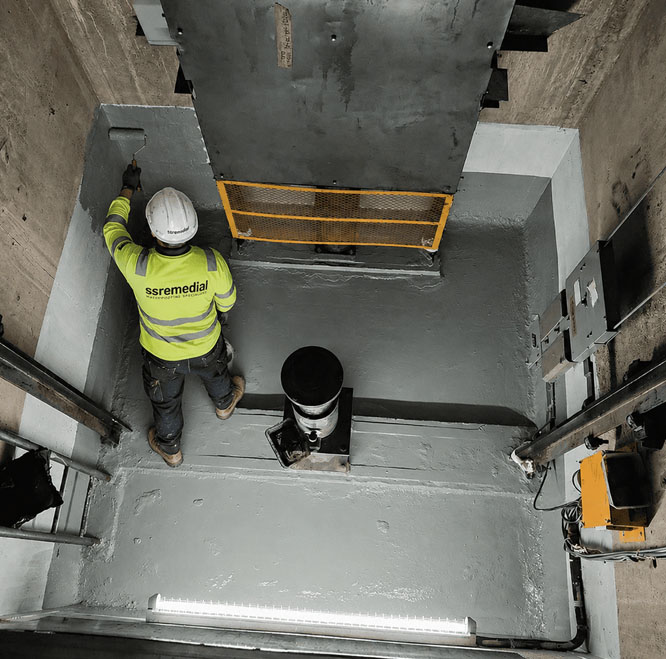
Liquid Membrane Foundation Waterproofing
Foundation membrane waterproofing creates a seamless, flexible barrier that protects your home’s foundation from water ingress and moisture damage.
Epoxy Resin Foundation Injection Repair
Foundation epoxy injection is a proven method for repairing structural foundation cracks by permanently bonding the concrete back together. This resin injection for concrete foundations restores & guarantee structural integrity.
Polyurethane Injection Foundation Repair
Foundation polyurethane injection repair is an effective solution for sealing active water leaks and non-structural foundation cracks. The expanding foam fills voids and penetrates fine cracks, creating a flexible watertight seal.
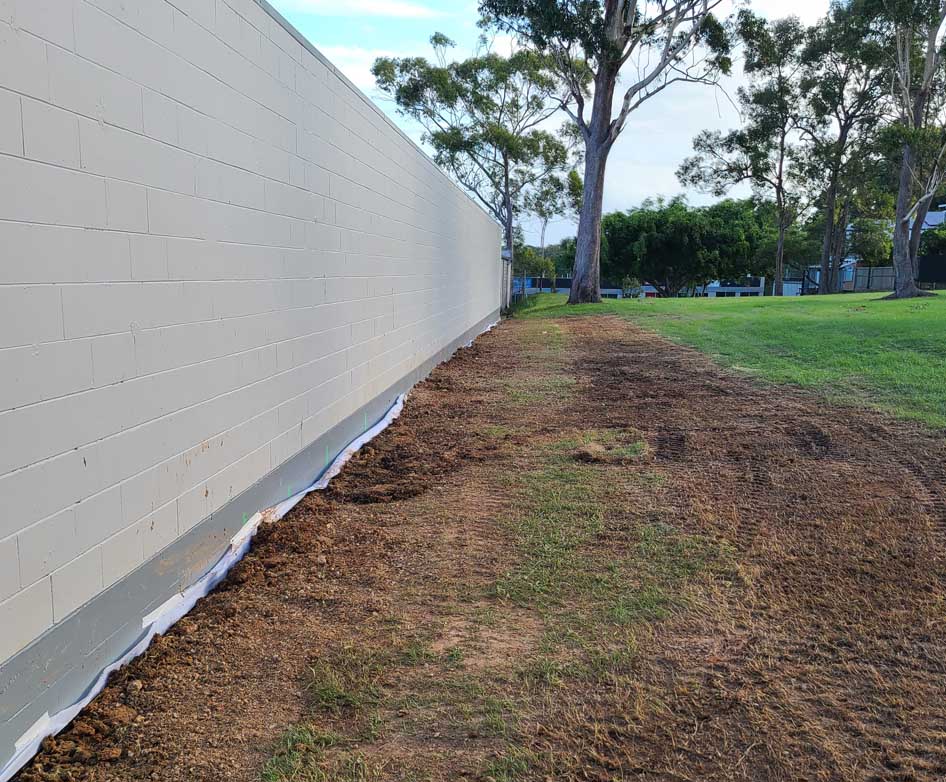
Foundation Damp Proofing
S&S Remedial uses the proven Westox Rising Damp System, the world’s leading solution for the prevention and treatment of rising damp. This advanced foundation damp proofing creates a long-lasting moisture barrier within the wall structure.
Why Choose Us?
QBCC-licensed foundation waterproofing company
Over 20 years of hands-on commercial & house foundation waterproofing experience to Brisbane, the Gold Coast, Ipswich, and Tweed Coast.
Warranty-backed exterior & interior foundation waterproofing systems
Designed specifically for Queensland’s harsh coastal climate, humidity, and heavy rainfall.
Specialists in remedial or foundation crack injection repair
Concrete slab, masonry, brick, and block retaining walls, including foundation damp proofing walls and long-term moisture protection.
Strict commitment to NCC and Australian Standards (AS)
Ensure a compliant resin injection for concrete foundations and durable foundation membrane waterproofing that will retain its performance and stand the test of time.
Advanced Diagnostic & Moisture Mapping
They eliminate guesswork before any excavation or waterproofing exterior foundation begins.
COMPLIANCES






We take pride in delivering foundation membrane waterproofing solutions with a strong commitment to compliance with the NCC, relevant Australian Standards, and QBCC requirements. Our work is guided by quality, accountability, and industry-best practice.
Signs Your Waterproofing Foundation Need Repairs
Small warning signs can lead to bigger structural problems if ignored. Proper waterproofing concrete foundation walls helps stop moisture damage early.
Rising Damp on Basement or Lower-Level Walls
Persistent dampness, condensation, or discoloured patches on walls are common warning signs. Investing in damp proofing foundation walls prevents moisture intrusion and supports long-term structural protection.
Water Seeping Through Slab Foundation
Concrete is naturally porous and can allow water to pass through over time. Wet spots, water stains, or puddles near walls are signs that waterproofing house foundation may be needed.
Persistent Musty Odours, Mold and Mildew Growth
A musty smell often points to hidden moisture problems. Mould and mildew commonly develop in damp conditions caused by water intrusion.
Efflorescence on Foundation Surfaces
Efflorescence appears as a white, chalky residue on concrete or masonry. It indicates that water is moving through the foundation and leaving mineral deposits behind.
Cracks in Concrete Slab Foundation
Foundation cracks that leak, grow, or return may signal the need for professional structural foundation crack repairs.
You Foundation Protection from Water is Just a Message Away
Don’t ignore signs of foundation moisture problems. A concrete block foundation waterproofing company can help prevent damage before it gets worse.
Our Concrete Foundation Waterproofing Process
Site Inspection & Moisture Assessment
We begin with a comprehensive structural and moisture assessment. Using advanced diagnostic tools, we identify existing water ingress points, evaluate hydrostatic pressure levels, check the water table depth, and assess the integrity of the concrete foundation or masonry walls.
Application of Primer & Waterproofing Membrane foundAtion
We apply a high-performance compliant primer to stabilise the substrate, control dust, and reduce pinholing. Once cured, the main waterproofing membrane foundation is installed—typically a heavy-duty, root-resistant liquid polyurethane or torch-on bituminous sheet membrane—at the specified dry film thickness (DFT) for long-term below-ground protection.
Surface Preparation & Substrate Repairs
A foundation and basement waterproofing membrane is only as good as the surface it bonds to. We mechanically clean the substrate via grinding or pressure washing to remove dirt, laitance, and old coatings. Structural cracks are chased out and repaired using high-strength epoxy resin injection for concrete foundations or polyurethane injection foundation repair to stop water tracking through wall.
Protection Board & Drainage Cell Installation
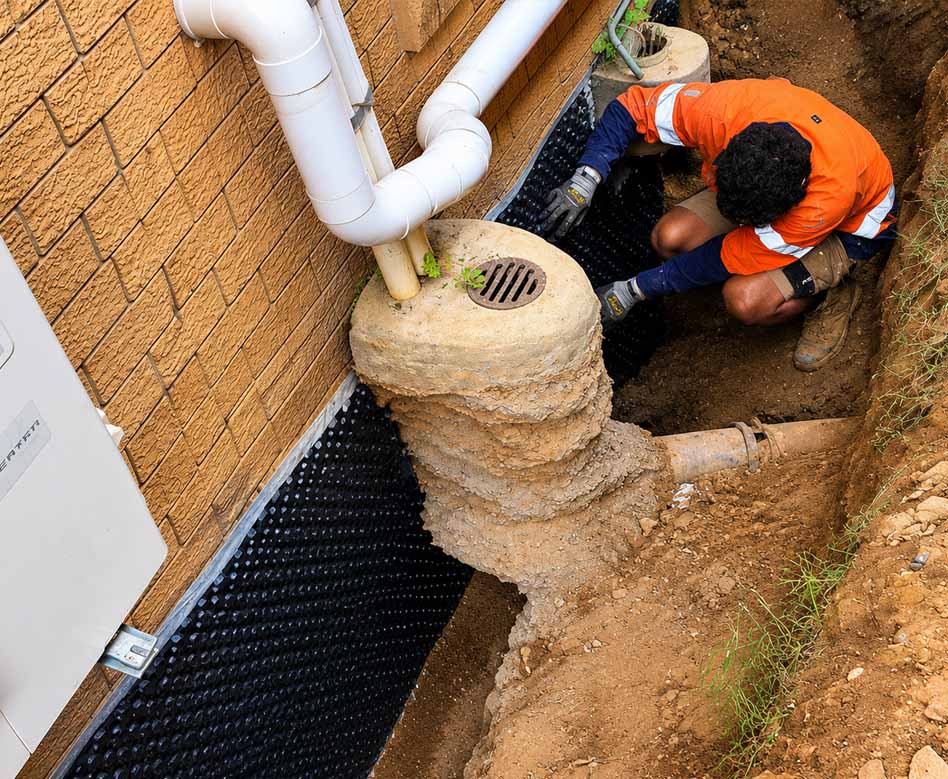
Before backfilling, the cured membrane must be protected from mechanical damage caused by sharp rocks and soil movement. We install high-impact protection boards or heavy-duty HDPE dimpled drainage cells. This layer shields the liquid waterproofing membrane and creates a clear pathway for water to fall away from the structure.
Detailing Coves, Joints, and Penetrations
Most foundation and basement waterproofing failures occur at junctions. We install specialised polymer-modified fillets (coves) at all wall-to-footing junctions to remove sharp 90-degree angles. Expansion joints and service penetrations, including pipes and utilities, are sealed with heavy-duty elastomeric bandages and hydrophilic seals for reliable waterproof concrete foundation.
Subsoil Drainage System (Ag Pipe) & Backfill (optional)
To permanently relieve hydrostatic pressure against the foundation, we install a dedicated subsoil drainage network using perforated agricultural pipes (Ag pipes) wrapped in geotextile fabric filter sleeves. The trench is backfilled with clean, free-draining aggregate (10-20mm gravel) to channel water safely away to the stormwater system.
Compliance Note: This entire framework is engineered to satisfy the rigorous performance requirements of the National Construction Code (NCC) and relevant Australian Standards, ensuring long-term foundation damp proofing performance and protection against lateral water ingress.
Safeguard your investment through waterproofing foundation of house or commercial property — act now!!
Get Your Free Inspection Now!
07 2812 2774
Causes of Water Seeping Through Foundations
Understanding the common causes can help prevent long-term damage, dampness, mould growth, and structural issues, and determine which brick or slab foundation waterproofing methods are appropriate.
Poor drainage systems
Blocked, damaged, or poorly designed drainage systems can allow water to collect around the building foundation. When water is not directed away from the property, it can seep into walls, slabs, and below-ground areas.
Hydrostatic pressure
When water builds up in the soil around the foundation, it creates pressure against concrete walls and floors. Over time, this hydrostatic pressure can force moisture through small cracks, joints, or weak points in the structure. An immediate foundation damp proofing & membrane waterproofing foundation walls outside are needed.
Rising groundwater
In areas with high water tables, groundwater can rise beneath the property and place pressure on the foundation. This can lead to water seepage through the slab, basement walls, or construction joints. Immediate foundation and basement waterproofing is needed.
Cracked concrete structures
Cracks in concrete walls, slabs, or footings can create direct pathways for water intrusion. Even small cracks can worsen over time if exposed to moisture, movement, or ground pressure. Contact us for immediate polyurethane injection or epoxy foundation repair service.
Brand We Trust

Testimonials

We had our builder recommend waterproofing the house foundation, and I’m glad we listened. Thanks to the team, our home in Indooroopilly stayed dry even during the last big storm.
Sarah Thompson, Brisbane
Waterproofing the house foundation was a lifesaver. Our place in Bundall used to get damp after heavy rain, but now it’s completely dry.
Michael and Emma Harris, Gold Coast
We were worried about water ingress around the foundation area. S&S Remedial home foundation waterproofing service was reliable, and the problem has been staying resolved since the job was completed.
Toni Edwards, Wavell Heights
Jessica Smith, Red Hill
I couldn’t keep ignoring the damp patches near the foundation. I called SS Remedial to organise house foundation waterproofing, and the workmanship was clearly high quality. The next wet weather event didn’t bring the same problems back.
Paul Benneth, Morningside
We kept getting moisture after storms, and it was affecting our comfort at home. Their home foundation waterproofing solution worked well, and the communication throughout the job was excellent.
Leah Walker, Kedron
Project Gallery
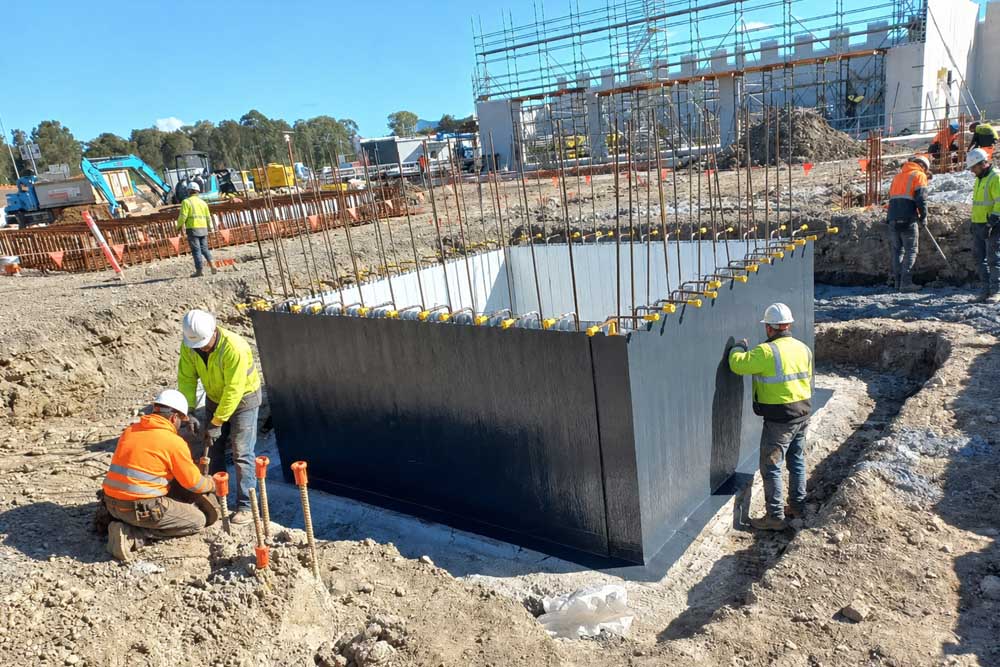
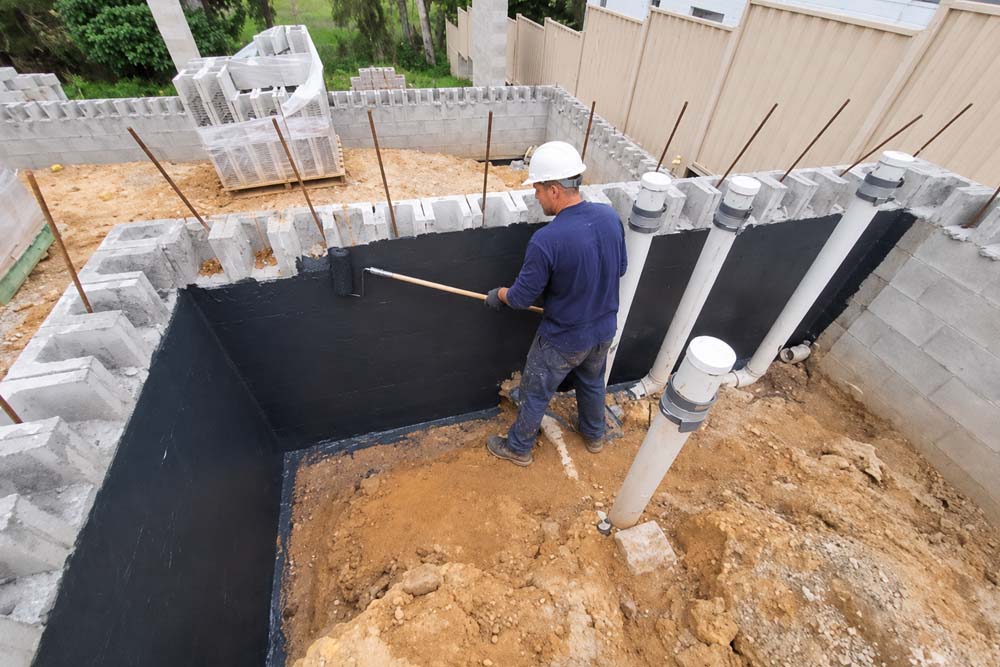
Commercial Project: waterproofing concrete foundation
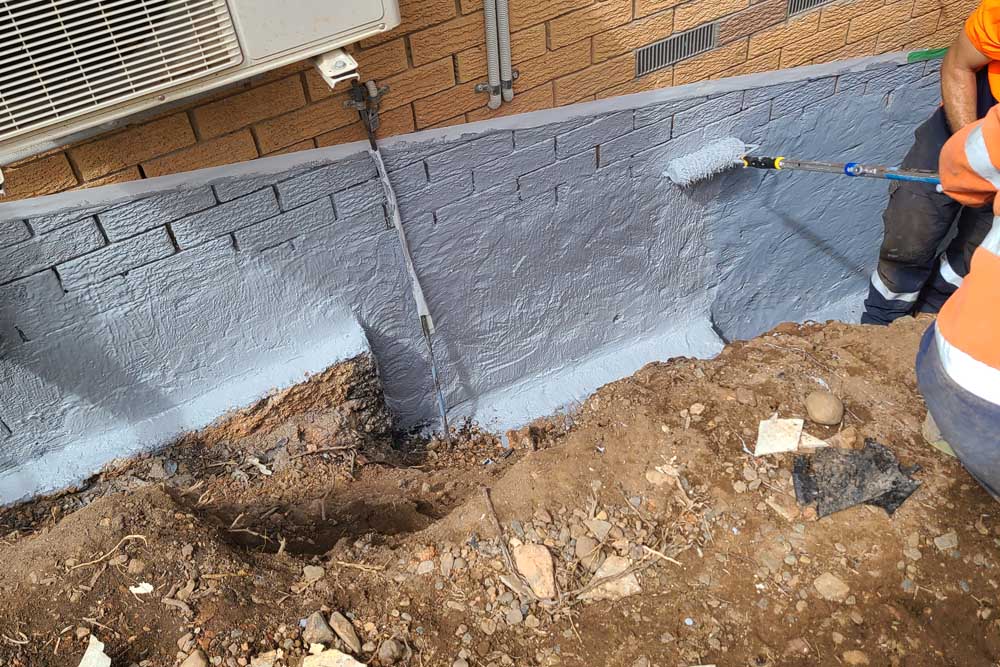
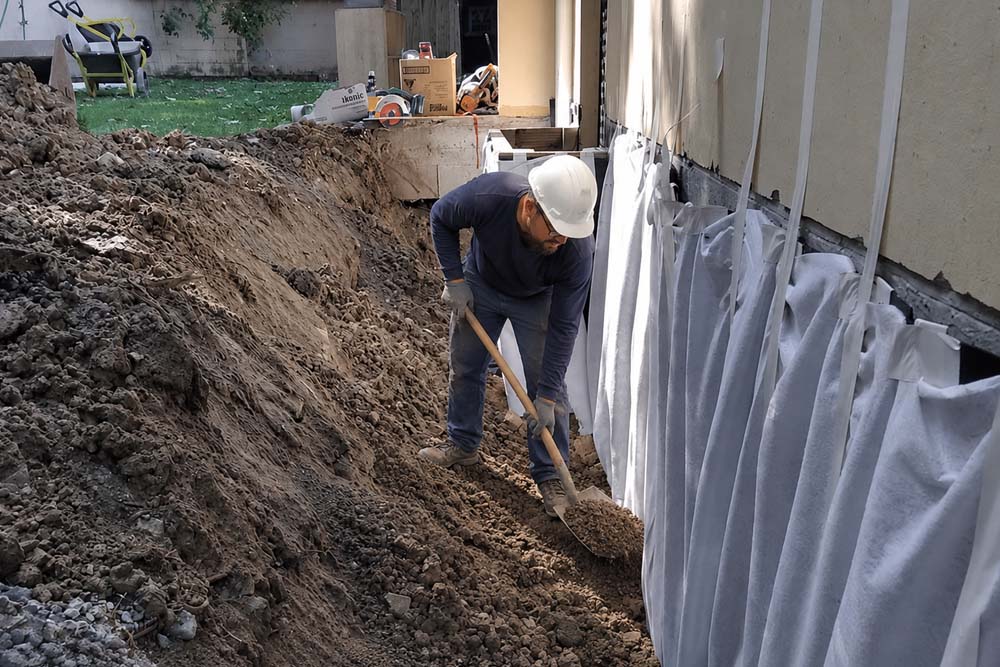
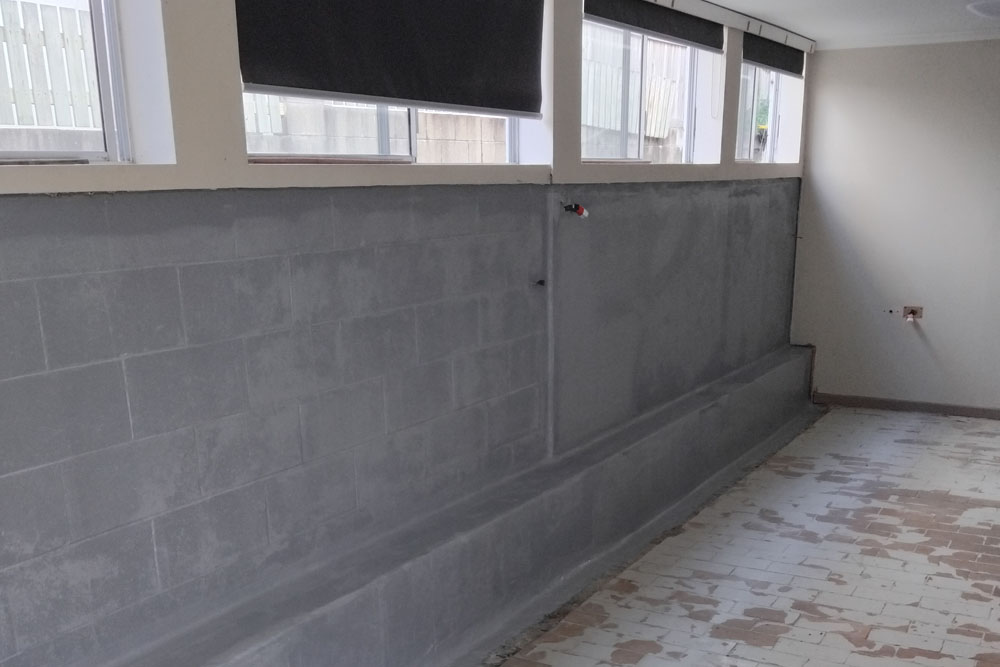
Residential: waterproofing home foundation project
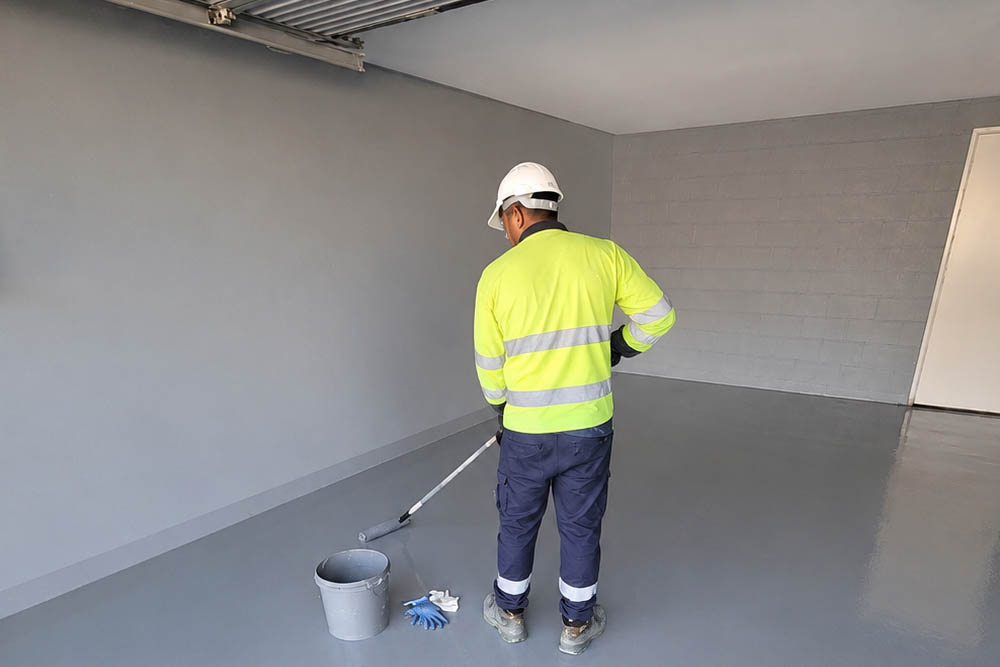
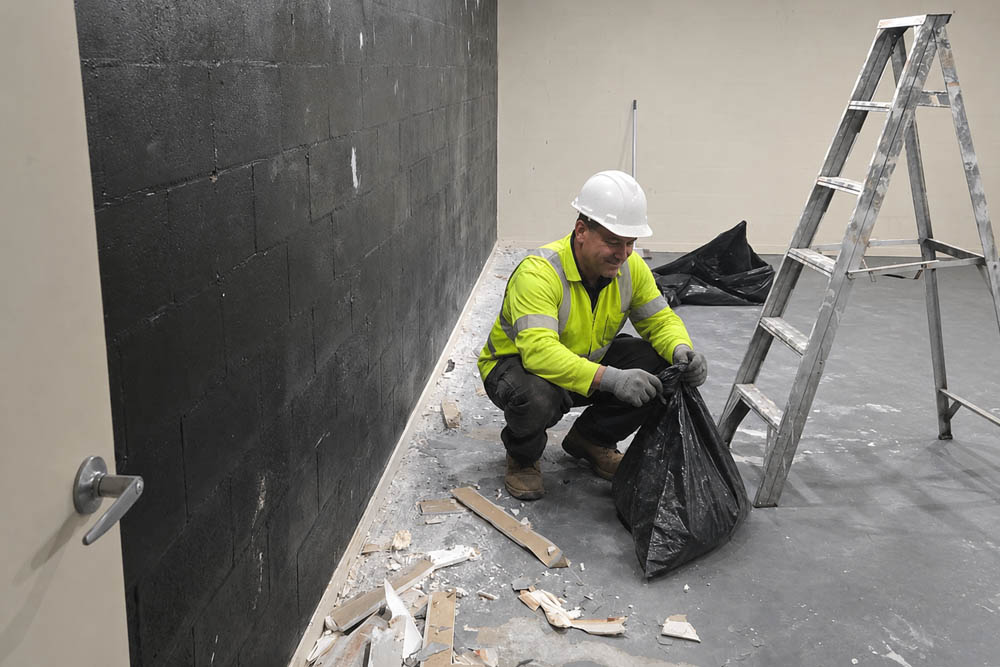
Residential Project: basement waterproofing and foundation repair
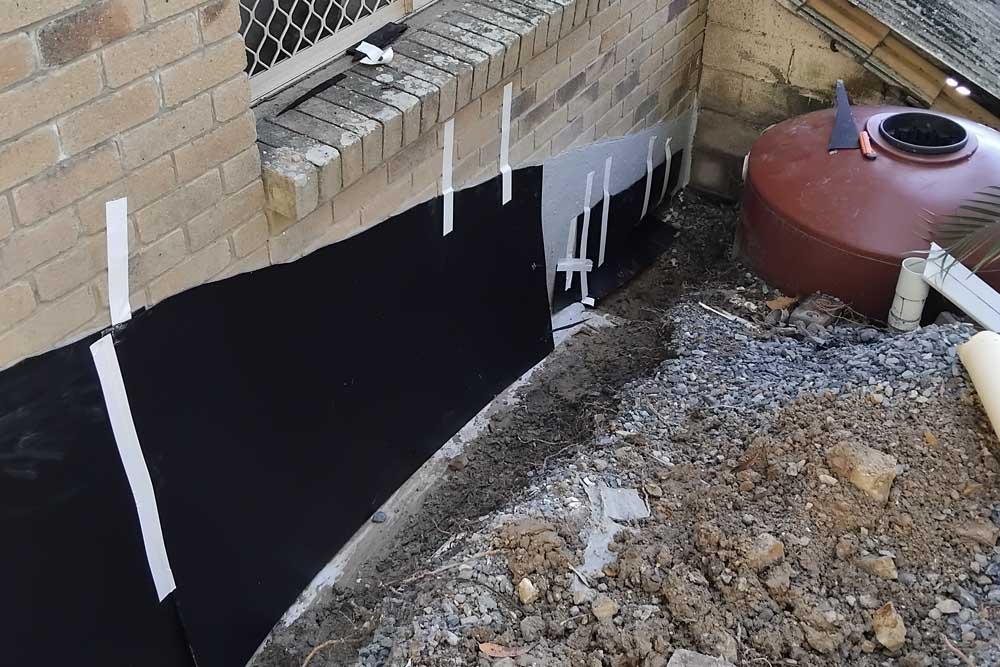
Residential Project: foundation basement waterproofing
Frequently Asked Question
How long does SS Remedial commercial and residential foundation waterproofing last?
When assessing how long SS Remedial’s business and home foundation waterproofing lasts, it’s important to consider both the workmanship warranty and the expected lifespan of the materials used. Because remedial waterproofing is specifically designed to address existing water ingress issues under hydrostatic pressure, the longevity of the basement waterproofing and foundation repair largely depends on the foundation waterproofing methods selected for the project.
1. Warranty Coverage
SS Remedial supports its foundation and structural waterproofing work with a layered warranty structure that includes:
- Workmanship Warranty: Up to 6.5 years from practical completion, in line with statutory QBCC requirements for structural rectification work.
- Manufacturer Material Warranty: Typically, between 7 and 20 years, depending on the membrane systems, resins, or chemical injection products used.
2. Lifespan by Waterproofing Method
The real-world durability of a foundation waterproofing solution depends on whether the issue is being treated externally (positive-side waterproofing) or internally through below-ground injection systems (negative side waterproofing).
Polyurethane & Epoxy Injection Foundation Repairs (Foundations and Below-Ground Structures)
These systems are commonly used to stop active leaks in concrete foundations, slabs, lift pits, and retaining walls.
Expected Lifespan: 10 to 20+ years
How it works: High-pressure hydrophilic or hydrophobic polyurethane resins are injected deep into cracks, joints, and voids within the concrete. Hydrophilic resins remain flexible and react with moisture, allowing them to self-seal minor future cracking. This creates a long-lasting barrier against water ingress and hydrostatic pressure.
Flexible Liquid-Applied Polyurethane Membranes
Typically applied to exposed slab edges, retaining walls, and masonry substrates.
Expected Lifespan: 10 to 15 years
How it works: These flexible elastomeric membranes are designed to accommodate minor structural movement and thermal expansion without cracking, blistering, or delaminating. Their UV stability and elasticity make them a reliable waterproofing solution for exposed and semi-exposed areas.
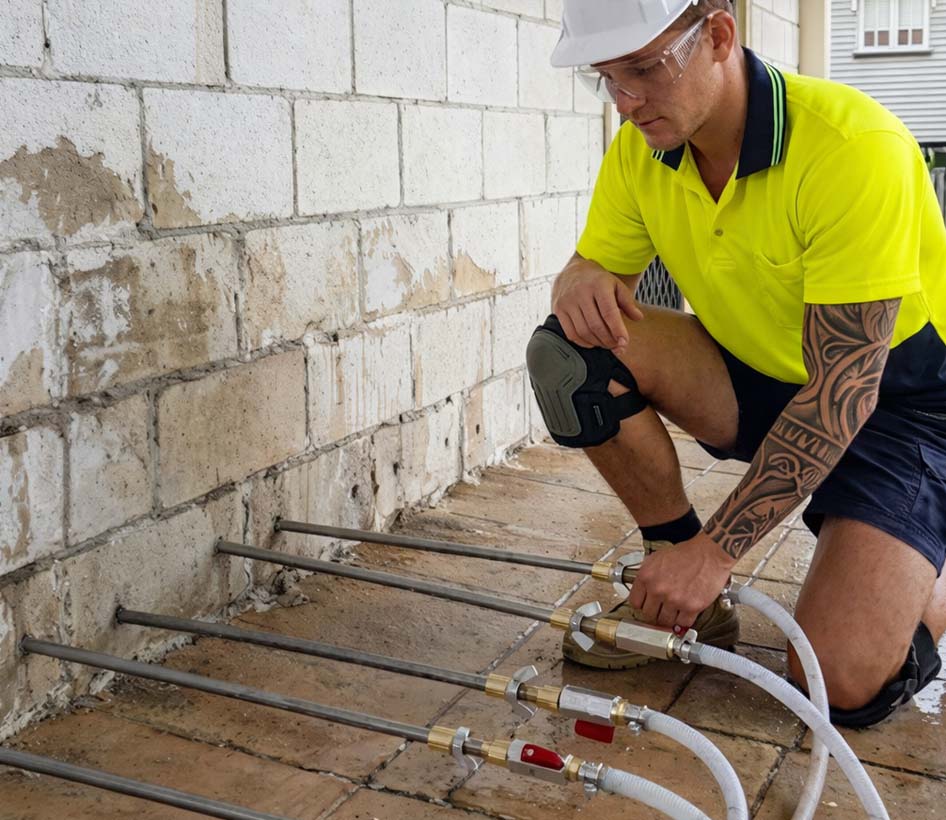
Chemical Barrier Injections (Rising Damp Treatment)
Used to restore failed foundation dampproofing courses within brick and masonry walls.
Expected Lifespan: 20+ years
How it works: Silane and siloxane-based creams are injected into the lower courses of masonry, where they cure and form a permanent hydrophobic barrier. This prevents moisture from travelling upward through the wall via capillary action, effectively stopping rising damp.
Should I DIY or hire professional foundation waterproofing contractors?
While DIY exterior foundation waterproofing may seem like a budget-friendly option, it’s generally only suitable for minor issues, such as sealing small cracks or applying temporary protective coatings. In most cases, DIY foundation wall waterproofing provides only short-term results and often fails to address the underlying cause of water ingress. There’s also the risk of non-compliance with local building regulations, which can lead to costly issues down the track.
Working with experienced concrete block foundation waterproofing contractors in Brisbane or the Gold Coast gives you access to professional inspections, high-performance waterproofing systems, and long-lasting, code-compliant solutions. Licensed contractors can identify and resolve complex problems such as hydrostatic pressure, inadequate drainage, and structural movement—issues that are often missed with DIY repairs. They also provide warranties, insurance coverage, and certification, giving homeowners added confidence and peace of mind.
When it comes to structural basement foundation crack repairs, DIY foundation sealing is strongly discouraged. Processes such as foundation injection repair require specialised equipment and expert handling of epoxy or polyurethane resins. These foundation crack injection repairs should only be carried out by qualified waterproofing specialists to ensure the structure is properly sealed and protected.
DIY vs Professional Foundation Waterproofing Contractors
DIY Foundation Waterproofing
- Suitable for minor surface or hairline cracks and small leaks
- Best for immediate and temporary solutions
Professional Concrete Foundation Waterproofing Companies
- Recommended for basement leaks and recurring seepage
- Essential for properties affected by high water tables or drainage issues
- Necessary for structural cracks and long-term waterproofing performance
- Provides compliant workmanship, warranties, and durable protection
Investing in licensed concrete block foundation waterproofing contractors help protect your property from water damage, reduces the risk of expensive future repairs, and ensures your home remains dry, safe, and structurally sound for years to come.
Why is it different from regular basement waterproofing?
Standard basement waterproofing often focuses on interior sealants or simple vapor barriers. Basement retaining wall waterproofing in Brisbane Northside or Southside usually requires a “positive side” approach (applied to the exterior) because it must manage:
- Hydrostatic Pressure: The force of water pushing against the wall.
- Soil Load: The physical weight of the wet earth.
- Drainage: Redirecting water away from the foundation before it even touches the wall.
Is waterproofing required by building codes?
Is exterior waterproofing home foundations better than interior waterproofing?
Exterior waterproofing concrete foundation walls are generally more effective because it stops water before it enters the structure. Interior waterproofing can help manage water that has already entered, but it may not solve the source of the problem.
Is excavation always necessary for waterproofing a house foundation?
Excavation is usually only needed when the outside of the foundation must be exposed, such as when the external foundation membrane has failed or water is building up against the wall. A site inspection is the best way to determine the least invasive and most effective solution.
What methods are used in commercial foundation waterproofing in Brisbane or Gold Coast?
Common methods in commercial foundation waterproofing include exterior waterproofing membranes, interior sealants, epoxy or polyurethane crack injections, and foundation drainage systems like French drains or sump pumps.
Positive-Side Waterproofing (Exterior Application)
Applied directly to the exterior face of the foundation wall facing the soil. It blocks groundwater before the moisture can interact with the concrete substrate.
Negative-Side Waterproofing (Interior Application)
Applied to the interior face of the foundation wall. It does not stop water from entering the concrete, but it prevents moisture from seeping into the occupied interior space.
Sheet-Applied Membranes
Pre-manufactured rolls that ensure uniform thickness across the entire job site.
Thermoset/Thermoplastic Sheets (PVC, HDPE): Sheets featuring welded seams that create an entirely monolithic, chemical-resistant wrapper around the structure.
Fluid-Applied Membranes
Liquid elastomeric polymers (such as cold-applied polyurethane or spray-applied rubberized asphalt) that cure into a rubber-like, continuous coating. Advantage: Completely seamless. It is ideal for commercial foundations with complex geometries, numerous pile caps, or a high volume of pipe penetrations.
What are the best methods for new construction foundation waterproofing?
The standard waterproofing methods used in new construction projects under the QBCC (Queensland Building and Construction Commission) compliance framework typically include the following system:
Positive-Side Waterproofing
(Waterproofing Exterior Foundation Walls)
For newly builds where foundation walls are fully exposed before backfilling, heavy-duty exterior foundation waterproofing systems are installed to stop moisture before it reaches the structure. The aim is to provide long-term protection—often exceeding 20 years—by preventing groundwater from penetrating porous concrete or masonry surfaces.
Here’s the step-by-step sequence, in the order it actually happens on site:
Surface preparation
Walls cleaned of dirt, form-release oil, loose aggregate, and sharp protrusions
Form tie holes, voids, and major cracks patched with a repair mortar
Treat Construction/Expansion Joints, Cracks and Penetrations
- Route and fill hairline cracks with epoxy or polyurethane injection where structural movement is not expected; for active joints use flexible elastomeric sealants or compression seals.
- Detail seal around service penetrations, sleeves, and footings per manufacturer’s detail using flashing, boots, or mastic.
Apply Primer
Many fluid-applied and sheet membranes need a primer coat for adhesion
Apply the foundation waterproofing membrane
Liquid-Applied (e.g., Polyurethane): Apply in a multi-coat system using a notch squeegee or heavy roller to meet the specified dry film thickness (DFT). Check regularly with a wet-film gauge.
Apply Drainage Board & Perimeter Drainage
Positive-side waterproofing should normally be paired with drainage. Mechanically fasten a dimpled HDPE drainage mat over the cured membrane using terminating bars or specialized washers at the top edge. At the base of the footing, install your slotted perimeter drainage pipe (AG pipe) wrapped in a geotextile sock. Cover the pipe with clean, washed aggregate to ensure water dropping down the drainage mat is immediately funneled to daylight or a stormwater system.
Backfill carefully
Use clean, free-draining material where specified. Avoid rubble, sharp rocks, construction waste, or clay directly against the waterproofed wall.
- Backfill in controlled layers. Do not damage the protection board or drainage cell. Do not backfill until the membrane has cured and passed inspection
What is the average cost of exterior foundation waterproofing?
The average cost of exterior foundation waterproofing typically ranges from $7,000 to $15,000 for an existing home. On a per-linear-foot basis, expect to pay between $100 and $300+ per linear foot, which generally includes excavation, surface preparation, membrane application, and backfilling.
However, the cost landscape changes drastically depending on whether you are waterproofing a new build or retrofitting an existing home.
New Build vs. Existing Home Retrofit
The total investment hinges almost entirely on whether heavy machinery has to dig up an established yard.
1. New Build Foundation (Pre-Backfill)
Average Cost: $3.00 to $6.00 per square foot of wall surface (or roughly $1,500 to $4,000 total for a standard footprint).
Why it’s cheaper: The foundation is already fully excavated. Contractors only charge for the primer, the primary positive-side membrane (liquid or sheet), the drainage board, and the labor to apply it.
2. Existing Home Retrofit (Requires Excavation)
Average Cost: $7,000 to $20,000+ (highly dependent on depth and perimeter length).
Why it’s expensive: The bulk of the budget goes toward labor and excavation. Contractors must dig a trench 4 to 8 feet deep around the entire perimeter of your home, navigate buried utilities, remove obstacles (like decks, concrete paths, or landscaping), and safely shore up the trenches before they can even touch the concrete.
What areas in Queensland do you serve?
If you need a permanent foundation damp proofing solutions in Gold Coast, Ipswhich and Brisbane and , we cover the following suburbs:
Brisbane
- Teneriffe
- New Farm
- Ascot
- Hamilton
- Chandler
- Bulimba
- Hawthorne
- Highgate Hill
- West End
- Paddington
- Chelmer
- Fig Tree Pocket
- St Lucia
- Indooroopilly
- Wilston
- Clayfield
- Bardon
- Norman Park
- Kangaroo Point
- Auchenflower
Gold Coast
- Surfers Paradise
- Mermaid Beach
- Clear Island Waters
- Broadbeach Waters
- Tallebudgera Valley
- Bundall
- Mermaid Waters
- Paradise Point
- Guanaba
- Isle of Capri
- Paradise Waters
- Cronin Island
- Sanctuary Cove
- Hope Island
- Main Beach
- Southport
- Robina
- Tugun
- Arundel
- Burleigh Heads
Ipswich
- Brookwater
- Karalee
- Pine Mountain
- Springfield Lakes
- Augustine Heights
- South Ripley
- Ripley
- Bellbird Park
- Tivoli
- Thagoona
- Bundamba
- Redbank Plains
- Amberley
- Basin Pocket
- Richlands
- Lockyer Waters
- Wulkuraka
- Springfield
- Deebing Heights
Can waterproofing home foundation walls stop basement leaks?
Yes, exterior and interior waterproofing foundation walls can stop basement leaks, but the best solution depends on where the water is coming from and how it’s getting inside. Waterproofing creates a protective barrier that helps prevent moisture from penetrating your foundation walls. That said, because basement leaks can have several causes, the most effective approach often combines both exterior and interior waterproofing foundation walls method.
1. Exterior Waterproofing (The Best Long-Term Solution)
Exterior waterproofing prevents water from reaching your foundation in the first place. It’s generally the most effective option for leaks caused by saturated soil or hydrostatic pressure pushing against your basement walls.
How it works: The soil around the foundation is excavated down to the footing, allowing the walls to be cleaned, repaired, and coated with a durable waterproof membrane. In many cases, a drainage board and perimeter French drain (also known as a weeping tile) are installed to direct water safely away from the foundation.
Pros:
Stops water before it reaches the foundation.
Keeps foundation walls dry and helps prevent long-term concrete damage.
Addresses the root cause of most basement leaks.
Cons:
More expensive due to excavation and labor.
Can be disruptive, especially if landscaping, driveways, or patios need to be removed.
2. Interior Waterproofing (A Practical Alternative)
When exterior excavation isn’t practical or affordable, interior foundation and basement waterproofing offers an effective way to manage water that finds its way into the basement.
How it works: A drainage channel is installed around the inside perimeter of the basement floor, which usually requires removing a narrow section of concrete. Water entering through the walls or beneath the slab is collected and directed to a sump pump, where it’s pumped safely away from the home. Wall membranes or vapor barriers are often installed to guide moisture into the drainage system.
Pros:
Typically, more affordable than exterior foundation and basement waterproofing.
Keeps your basement dry and usable.
Can usually be installed regardless of the season.
Cons:
The concrete foundation walls remain exposed to moisture from the outside.
It manages water rather than preventing it from reaching the foundation