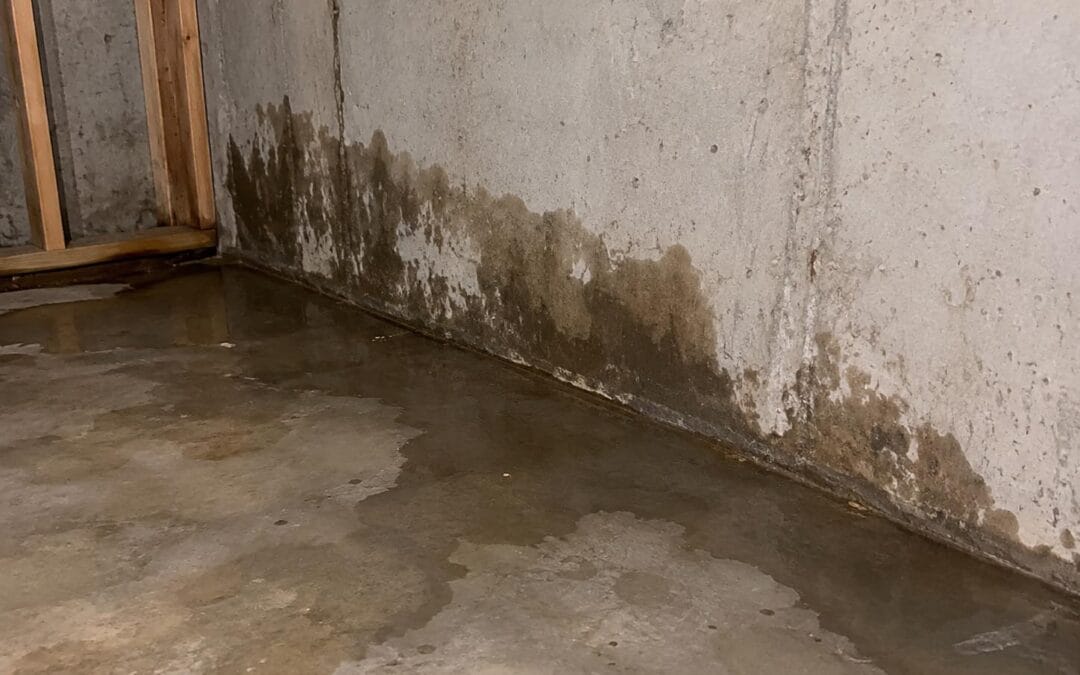
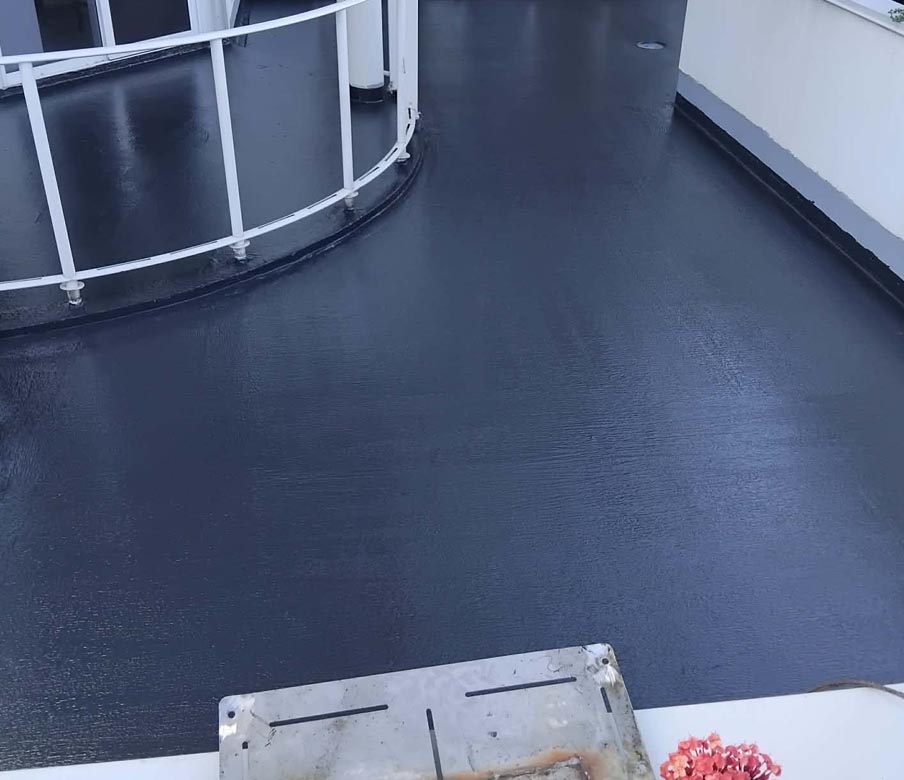
by marketingstaff | Oct 11, 2026 | Case Study, Classic Waterproofing, Damp Problems
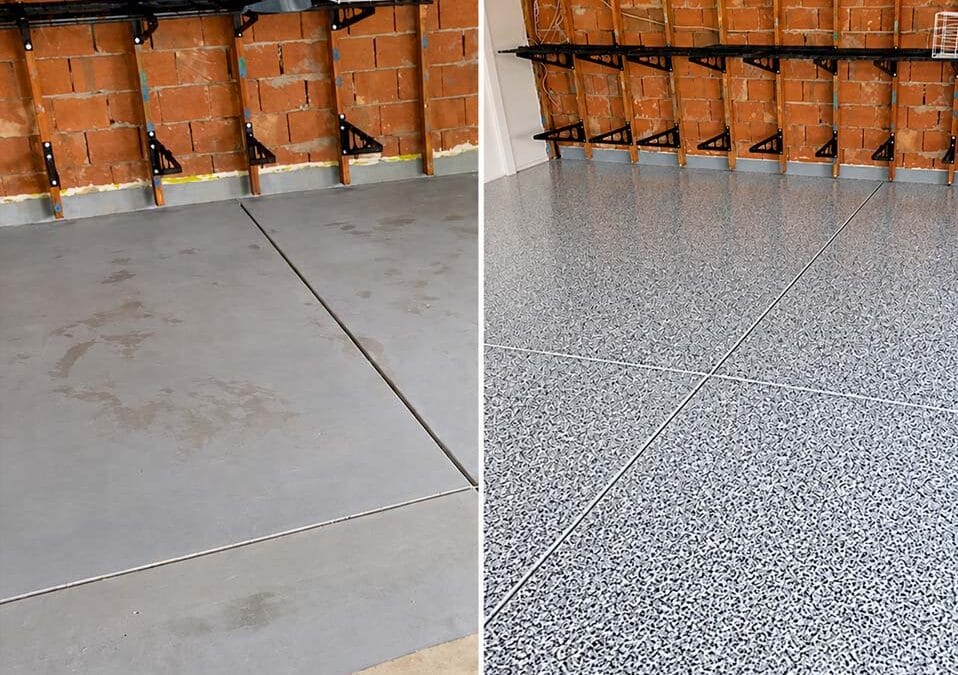
Rising damp in a Bonogin garage slab: grinding, Hydropoxy negative-side membrane, polyurethane injection to a leaking rear wall and a flake epoxy floor finish This Bonogin garage had been set up as a home gym and storage area, but the floor was not behaving like a dry... by marketingstaff | Oct 2, 2026 | Damp Problems
Rising damp in brick walls rarely starts as a dramatic problem. You may first notice bubbling paint, powdery plaster, white salt deposits or a faint tide mark near the bottom of the wall. Over time, however, persistent moisture can damage plaster, skirting boards and... by marketingstaff | Sep 30, 2026 | Damp Problems, Structural Repairs
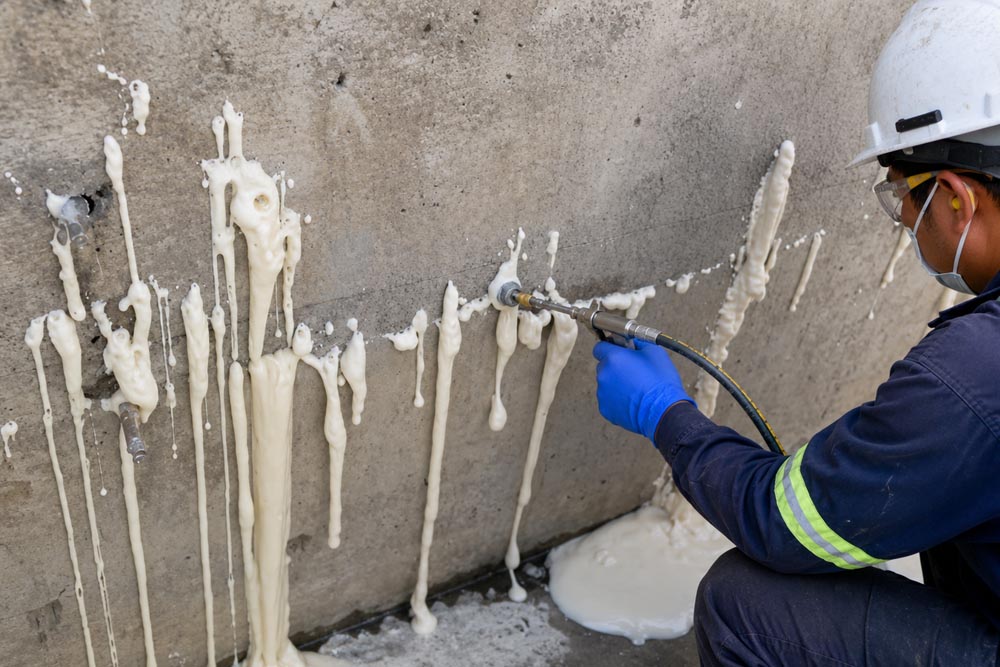
Polyurethane foam injection, also known as PU injection, polyurethane grout injection, PU grouting, injection grouting, urethane injection, or resin injection waterproofing, is a specialised method used to stop water infiltration through cracks, joints, and voids in... by marketingstaff | Sep 30, 2026 | Damp Problems
The article explains that heritage and older brick homes manage moisture differently from modern buildings. Many were constructed with breathable materials such as lime mortar, lime plaster, solid brick, and stone. These materials are intended to absorb and release... by marketingstaff | Sep 26, 2026 | Classic Waterproofing, Damp Problems
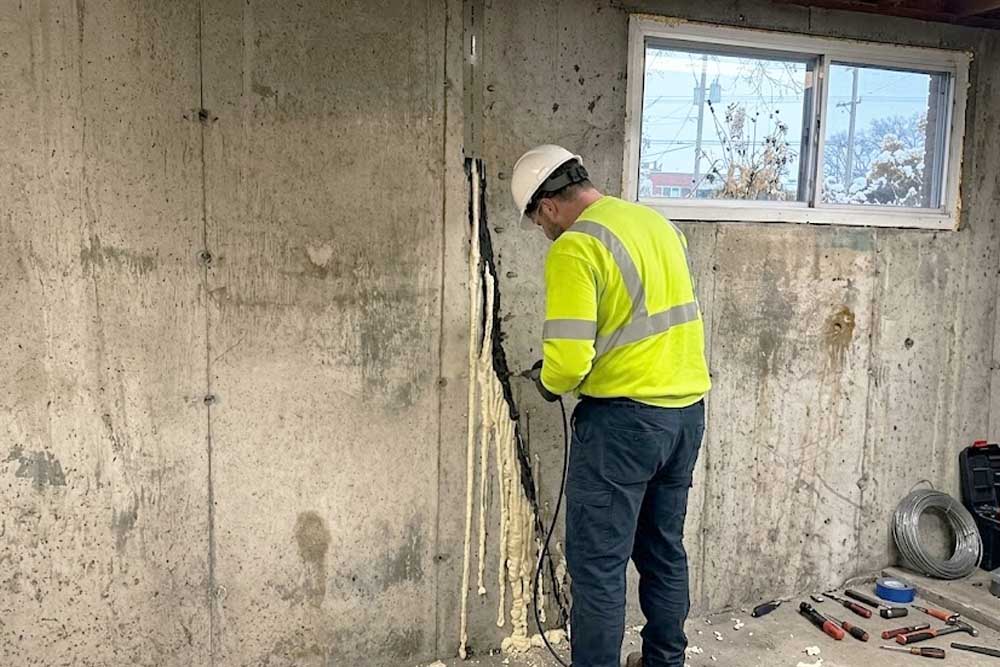
Water leaks rarely have just one entry point. A visible crack might be where the water is showing up, but moisture can also make its way through porous concrete, masonry, joints, and other weak points in the wall. That’s why crack injection and waterproofing membranes... by marketingstaff | Sep 26, 2026 | Damp Problems, Waterproofing Industry Articles
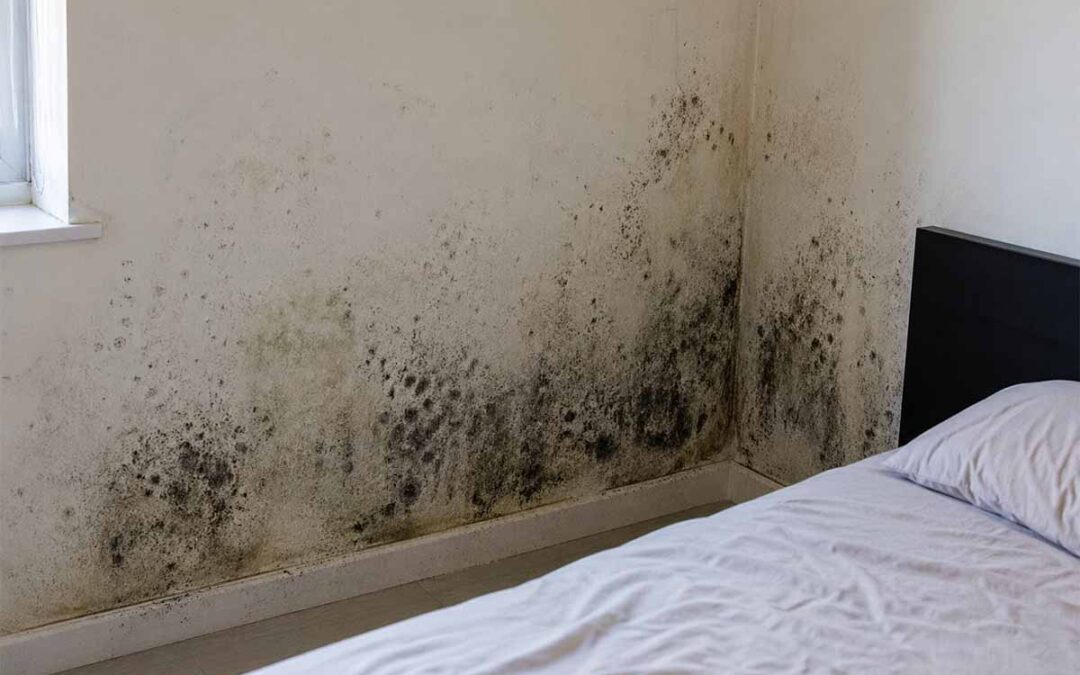
Water seepage might start as a damp patch, musty smell, or small stain on a wall, but the problem can quickly become more serious. When moisture gets behind walls, under floors, or into concrete and building materials, it creates the damp conditions that encourage...