
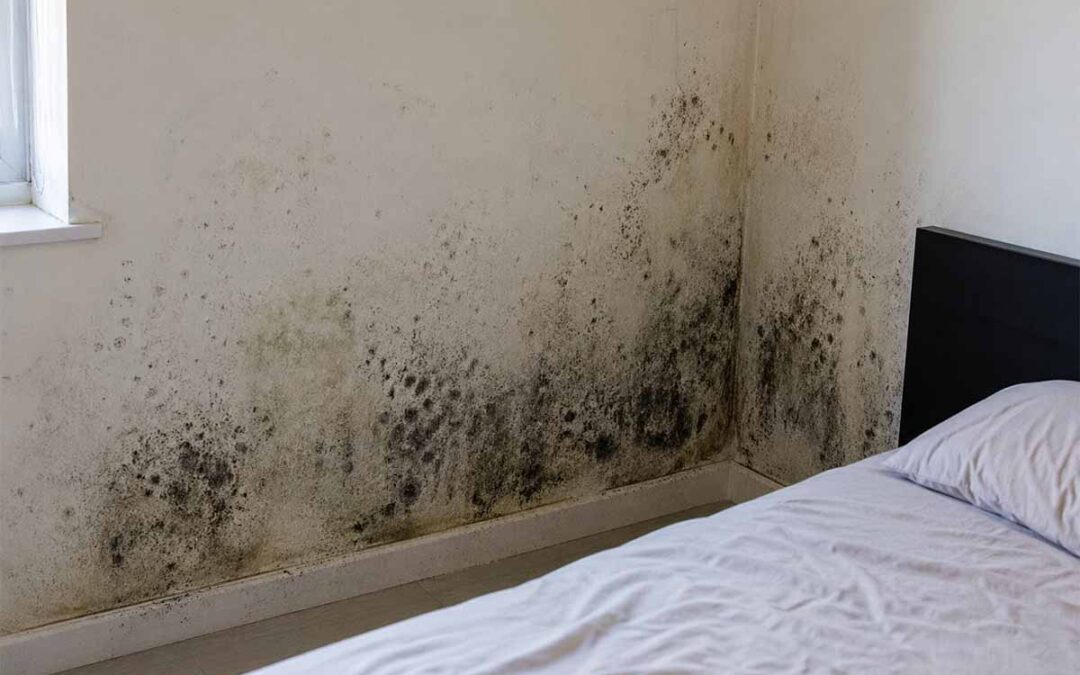
Water seepage might start as a damp patch, musty smell, or small stain on a wall, but the problem can quickly become more serious. When moisture gets behind walls, under floors, or into concrete and building materials, it creates the damp conditions that encourage mould growth and can gradually damage your property.
For Gold Coast homes and businesses, where warm and humid conditions can make moisture problems worse, addressing leaks and failed waterproofing early can help protect both the building and the people living or working inside it.
How Water Seepage Can Affect Your Health
1. Mould Growth and Airborne Spores
One of the biggest concerns with ongoing water seepage is mould. Damp plasterboard, timber, carpet, insulation, and other porous materials can provide ideal conditions for mould to grow, sometimes within just a couple of days.
As mould develops, spores can become airborne and circulate throughout the property. Depending on a person’s sensitivity and level of exposure, this may contribute to:
- Coughing, wheezing and throat irritation
- Blocked or irritated sinuses
- Sneezing and itchy or watery eyes
- Skin irritation and allergic reactions
- Worsening asthma symptoms
Children, older adults, people with asthma or allergies, and anyone with a weakened immune system may be more sensitive to damp and mouldy indoor environments.
2. Bacteria and Contaminated Water
Not every water leak involves clean water. Seepage caused by damaged plumbing, stormwater, overflowing drains or sewage can introduce bacteria and other contaminants into the property.
This becomes particularly concerning when water gets underneath flooring, behind walls or into other areas that are difficult to properly clean and dry.
Contaminated water may expose occupants to harmful microorganisms such as E. coli and Salmonella. Sewage and heavily contaminated water should therefore be treated as more than a simple leak repair—it requires appropriate cleaning, drying and remediation.
3. Higher Humidity and Dust Mites
Persistent water seepage can also increase humidity inside your home. In warm, humid areas such as the Gold Coast, additional moisture can make an existing humidity problem even worse.
Higher humidity creates favourable conditions for dust mites, particularly in carpets, mattresses, bedding and upholstered furniture.
For people with allergies or asthma, increased dust mite exposure may contribute to symptoms such as nasal congestion, coughing, irritated skin and difficulty sleeping comfortably.
4. Damp and Deteriorating Building Materials
Water doesn’t only encourage mould growth. Long-term moisture can also cause building materials to deteriorate.
Plasterboard can soften, paint can bubble or peel, timber may swell or rot, and flooring or adhesives can begin to break down. Some damp building products may also release irritating compounds into the indoor environment as they deteriorate.
This is why simply painting over a damp wall rarely solves the underlying problem. The source of the water needs to be identified and repaired first.
Who Is Most Vulnerable?
Some people are more likely to experience problems in damp or mould-affected properties:
| Group | Potential Concerns |
|---|---|
| Babies & Children | Greater sensitivity to mould, allergens and poor indoor air quality, particularly if they already have respiratory issues. |
| Older Adults | Respiratory conditions and other existing health concerns may make damp environments more difficult to tolerate. |
| Immunocompromised People | Certain moulds and microorganisms can present a greater risk for people with significantly weakened immune systems. |
| People With Asthma & Allergies | Dampness, mould spores and dust mites can aggravate existing symptoms and trigger allergic reactions. |
What to Do If You Find Water Seepage
The most important step is to find and stop the source of the moisture rather than treating only the visible damage.
- Find and repair the leak. Check for leaking pipes, failed bathroom waterproofing, damaged waterproofing membranes, cracked surfaces, blocked drainage and signs of rising damp.
- Dry the affected area properly. Improve ventilation and use suitable fans or dehumidifiers where required. Hidden moisture beneath flooring or behind walls may need professional moisture testing.
- Assess damaged materials. Water-damaged plasterboard, insulation, carpet and other porous materials may need to be removed if they cannot be thoroughly dried or have developed significant mould growth.
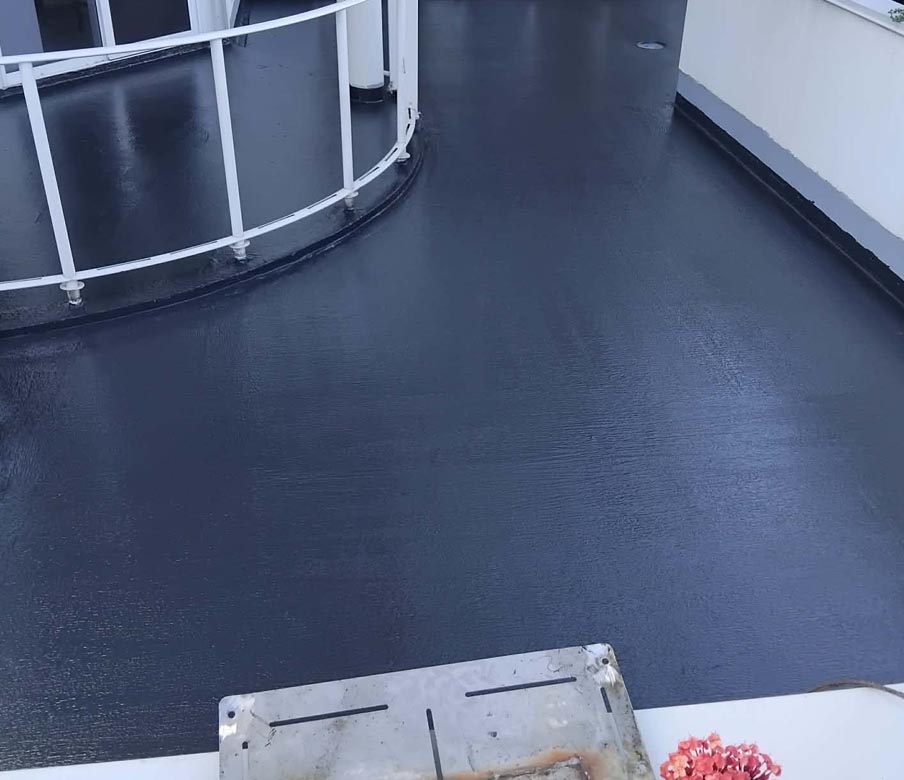
- Fix the waterproofing problem. If moisture is entering through a shower, bathroom, balcony, retaining wall or other wet area, professional waterproofing or leak repairs may be needed to prevent the problem from returning.
Don’t Ignore the Signs of a Waterproofing Problem
A small damp patch can be the visible sign of a much larger moisture problem behind the surface. Musty smells, bubbling paint, swollen skirting boards, mould growth, cracked grout and recurring damp areas are all worth investigating.
Professional Gold Coast waterproofing and leak repairs can help identify where water is entering and address the underlying cause. Whether the issue involves bathroom sealing, shower leaks, failed waterproofing membranes, balcony waterproofing or rising damp, early repairs can reduce the risk of further water damage and help maintain a healthier indoor environment.
If you’re noticing persistent moisture or signs of a leak, getting the area inspected early is usually far easier than dealing with widespread water damage later.