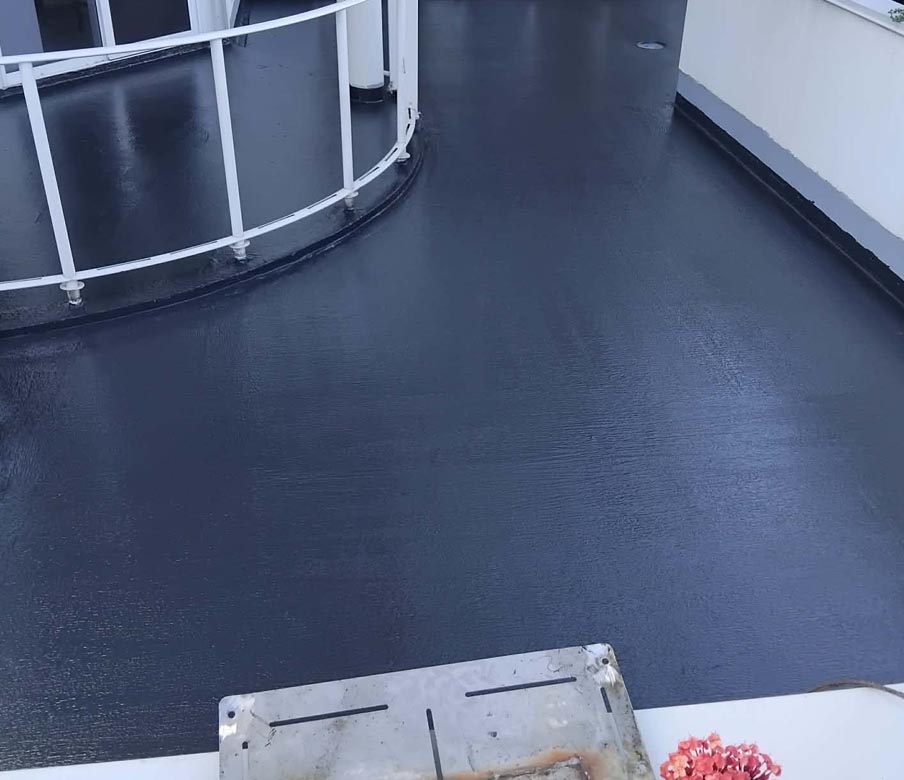

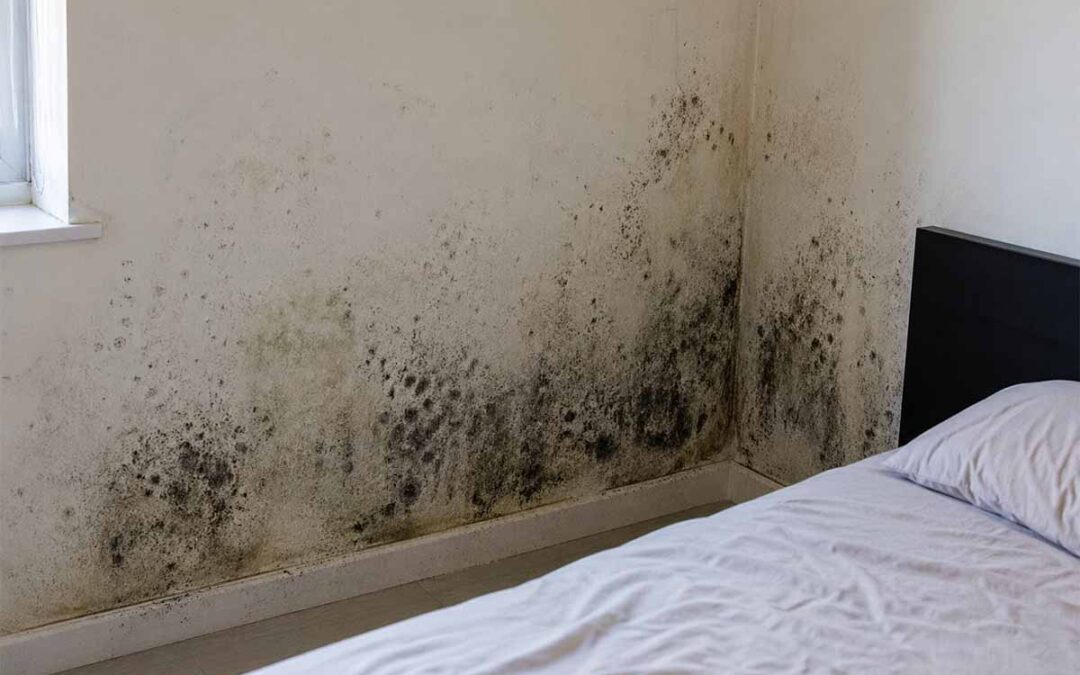
A hairline crack running up a brick wall. A ceiling stain that never seems to fully dry. A chalky white residue appearing across a garage floor.. These are the kinds of warning signs that usually have property owners calling a building inspector — and that’s often the right place to start. For a pre-purchase inspection or a general property check, a qualified building inspector can identify visible defects and flag areas that need further attention.
The problem is that spotting a defect and finding its actual cause are two very different things.
When you’re dealing with persistent water leaks, failed waterproofing or structural cracking, getting the diagnosis right matters. Treating what you can see without understanding what’s happening behind the surface can lead to repeated repairs, ongoing damage and a much bigger bill later.
What Does a General Building Inspector Look For?
Building inspectors are generalists by nature. They assess a wide range of areas across a property, including roofing, framing, carpentry, visible defects and general compliance. Most residential inspections in Australia are non-invasive and largely visual, often following standards such as AS 4349.1. A state property inspector may use basic tools such as a moisture meter or spirit level, but they generally aren’t opening walls, removing tiles or carrying out specialist leak detection.
That’s usually enough to identify that something isn’t right. It isn’t always enough to tell you exactly why it’s happening.
If you’ve read a building inspection report before, you’ve probably seen wording along the lines of cracking noted — further assessment by a qualified professional recommended. That’s not the Queensland property inspector avoiding the issue. It simply means determining whether a crack is minor shrinkage, normal building movement or evidence of a more serious structural problem requires a more specialised investigation.
Waterproofing problems are much the same.
An inspector may identify rising dampness, loose tiles, staining or deteriorated sealant. But determining whether a bathroom waterproofing system complies with AS 3740, or whether an external membrane has been installed correctly in line with AS 4654, requires a specialist waterproofing knowledge and a closer look at how the system is performing.
Water rarely behaves as neatly as people expect. The place where moisture appears isn’t necessarily where the water entered the building. Water can travel through cracks, joints, concrete, masonry and wall cavities before finally becoming visible somewhere else.
Concrete Crack Injection Repair
Structural movement can make the problem even more complicated.
Hydrostatic pressure behind a retaining wall or beneath a concrete slab can place ongoing pressure on concrete and masonry. If cracking develops, those cracks can then become pathways for water. Capillary action can also draw moisture through porous materials, allowing basement dampness to appear well away from the original source.
By the time you notice bubbling paint, efflorescence, a ceiling stain or persistent dampness, the underlying waterproofing membrane may already have failed. In reinforced concrete, ongoing moisture ingress can also contribute to corrosion of the steel reinforcement.
A surface inspection won’t necessarily reveal problems such as:
- incorrect falls in a shower or balcony
- failed or poorly detailed waterproofing membranes
- missing or ineffective drainage systems
- water tracking behind tiles or render
- hydrostatic pressure behind retaining walls
- moisture entering through concrete cracks or construction joints
- deteriorated sealants around penetrations and junctions
This is why simply repainting a stained wall, resealing a joint or patching a visible crack often doesn’t solve the problem. Unless the source of the water ingress is identified and repaired, there’s a good chance the damage will return.
How a Waterproofing Specialist Investigates the Problem
A waterproofing specialist or building remedial expert isn’t carrying out a more detailed version of a standard building inspection. The investigation has a different purpose. Instead of assessing the entire property, the focus is on understanding how water is entering, where it’s travelling and what’s causing the waterproofing system or building element to fail.
Rising Damp Inspections
Depending on the property and the type of leak, specialist testing may include:
- Infrared thermography — thermal imaging can help identify temperature differences associated with moisture behind tiles, walls, ceilings and other finishes, helping map affected areas without immediately opening up the structure.
- Electronic leak detection — specialised testing can be used on suitable membrane systems to help locate breaches across areas such as roofs, podiums and other waterproofed surfaces.
- Moisture mapping — capacitance and other moisture meters help assess moisture levels across different materials and identify patterns that may point to an active leak, rising damp or residual moisture.
The goal isn’t simply to confirm that something is wet. It’s to build a clearer picture of where the moisture is coming from and why it’s getting into the structure.
Finding the Leak Is Only Half the Job
This is where a specialist waterproofing inspection becomes particularly valuable.
A general building inspection will usually identify the defect and recommend further investigation. A waterproofing specialist can take that investigation further and develop an appropriate repair strategy. Depending on the cause and location of the problem, remedial waterproofing may involve solutions such as crack injection, joint sealing, drainage improvements, negative-side waterproofing or complete membrane replacement.
The right solution depends on the cause of the failure.
There’s little value in replacing sealant, for example, if hydrostatic pressure is forcing water through a concrete wall. Likewise, replacing a few bathroom tiles won’t fix water ingress caused by a failed membrane underneath them.
A proper diagnosis helps ensure the remedial waterproofing or structural concrete repair addresses the source rather than temporarily hiding the symptoms.
When Should You Call a Waterproofers or Crack Specialist?
A general building inspection remains an important part of buying, maintaining and assessing a property. It provides a broad overview and can identify defects you may otherwise miss. But when you’re dealing with a leak that keeps returning, unexplained dampness or a crack that appears to be getting worse, a visual inspection should often be considered the beginning of the investigation rather than the end.
For Gold Coast properties, this can be particularly important. Heavy rainfall, exposed balconies, wet areas, retaining walls and below-ground structures can all place waterproofing systems under considerable pressure. Bringing in a Gold Coast waterproofing specialist early can help identify the source of the problem before moisture causes further damage.
Whether the issue involves leak repairs, bathroom sealing, balcony waterproofing, concrete crack injection repairs or remedial waterproofing, the priority should be the same: find out why the problem is happening before deciding how to repair it. Getting the diagnosis right the first time is usually far more cost-effective than paying for the same surface repair every time the leak comes back.