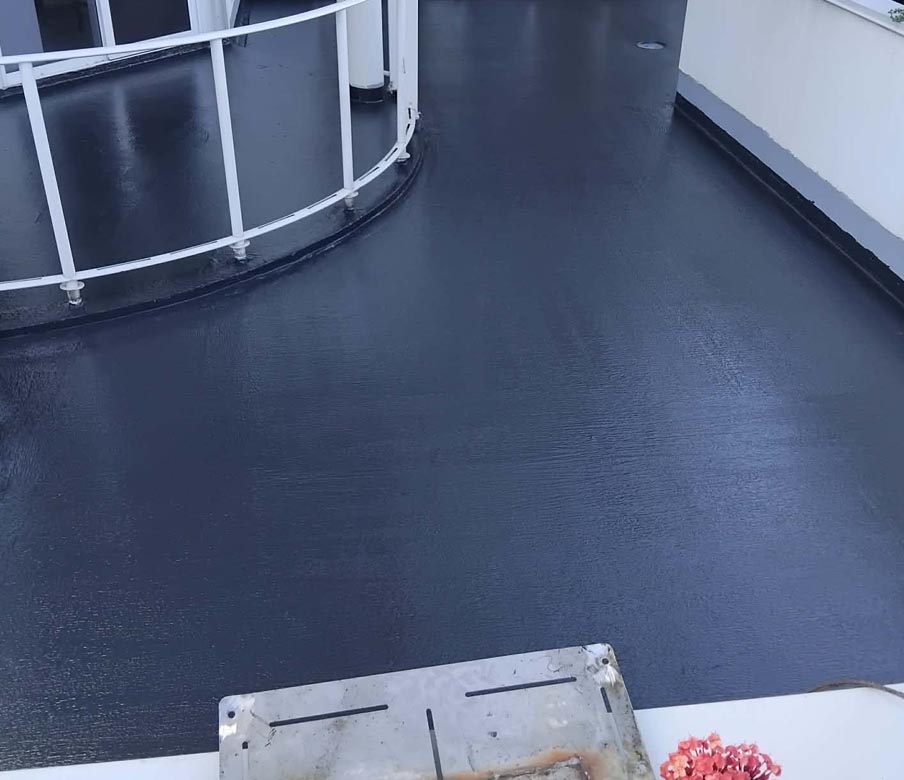

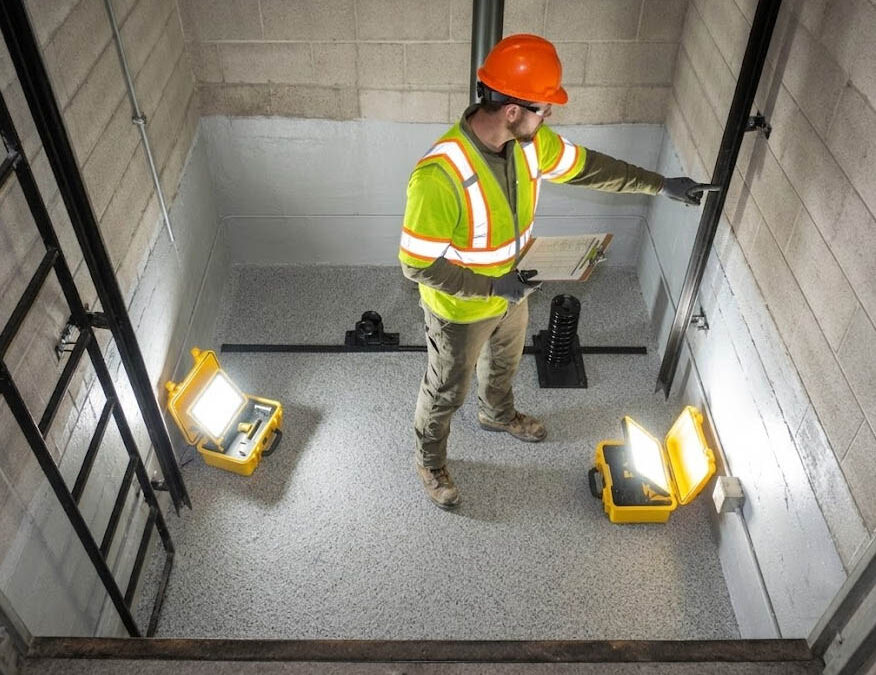
Retaining walls and foundations are constantly exposed to groundwater, soil moisture and hydrostatic pressure. Without proper protection, water can penetrate cracks, construction joints and porous building materials, eventually causing dampness, mould growth, concrete deterioration and corrosion of reinforcing steel.
While several waterproofing methods are available, positive-side waterproofing remains the preferred solution wherever the external surface of the structure is accessible.
What Is Positive-Side Waterproofing?
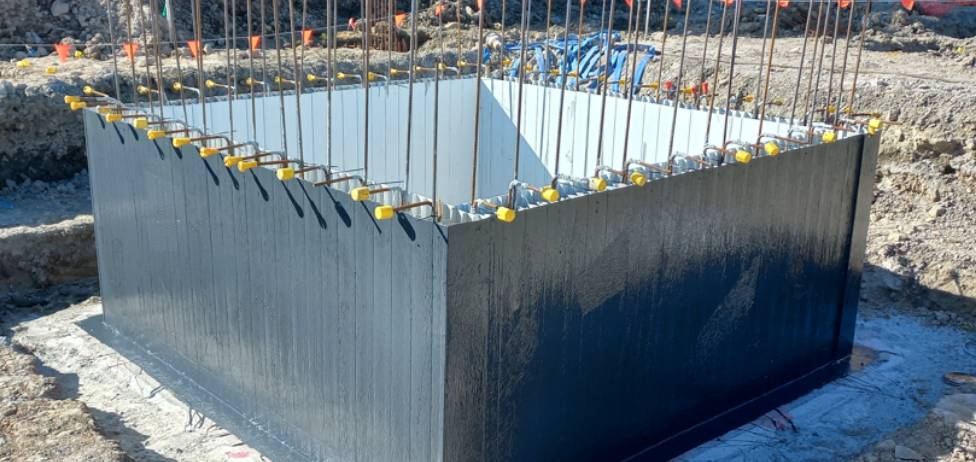
Positive-side waterproofing involves applying a waterproof membrane to the side of a structure that directly faces the source of water. For retaining walls and foundations, this generally means installing the membrane on the external surface before the area is backfilled.
A complete positive-side waterproofing system may include:
- Concrete repairs and surface preparation
- Waterproofing primer
- Liquid-applied membrane or sheet membrane
- Reinforcement around joints and penetrations
- Protection board or drainage cell
- Geotextile fabric
- Subsoil drainage pipes
- Correct grading and backfilling
Each component plays a role in preventing water from reaching the structure and directing groundwater safely away from the building.
It Stops Water Before It Enters the Structure
The main advantage of positive-side waterproofing is that it prevents water from penetrating the retaining wall or foundation in the first place.
Negative-side waterproofing is applied internally after water has already entered or passed through part of the structure. Although negative-side systems can be highly effective when external access is impossible, they do not always protect the concrete or masonry from continued exposure to groundwater.
Positive-side waterproofing creates the first line of defence between the structure and the surrounding soil.
It Protects Against Hydrostatic Pressure
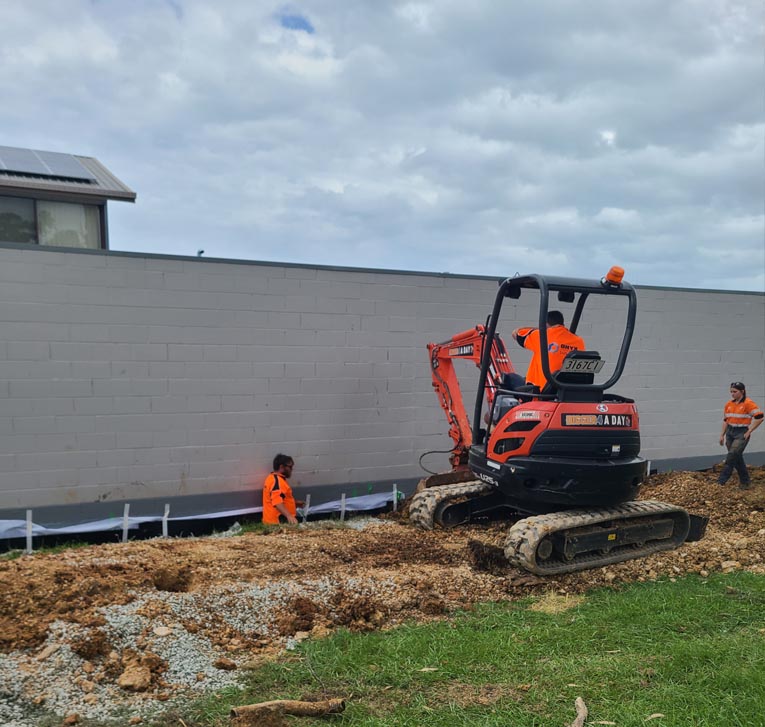
Water can accumulate behind retaining walls and around foundations, particularly on properties with clay-rich soil, inadequate drainage or a high water table. This creates hydrostatic pressure, which forces water into cracks, joints and porous materials.
Because a positive-side membrane is installed against the direction of the water pressure, the pressure generally pushes the membrane towards the substrate. This helps the system remain supported and reduces the likelihood of separation when the membrane has been correctly specified and installed.
However, the membrane should still be supported by an effective drainage system. Waterproofing controls water ingress, while drainage reduces the pressure acting against the structure.
It Protects the Structural Material
Water entering reinforced concrete can carry salts and other contaminants into the structure. Over time, this may contribute to reinforcement corrosion, concrete cracking and spalling.
By limiting water penetration, positive-side waterproofing helps protect the wall itself—not only the rooms or spaces on the other side. This makes it particularly valuable for foundations, basements, retaining walls, lift pits and other below-ground structures where repairs can become difficult and expensive after construction.
It Covers Cracks, Joints and Penetrations
Retaining walls and foundation systems contain vulnerable areas such as:
- Construction and cold joints
- Wall-to-footing junctions
- Form-tie holes
- Pipe and service penetrations
- Honeycombed concrete
- Minor cracks and surface defects
These details can become common entry points for groundwater. A properly designed positive-side system treats these areas before the main membrane is applied, creating continuous protection across the external surface.
Flexible membrane systems can also accommodate limited substrate movement, provided the expected movement remains within the product’s design capabilities.
It Is Ideal for New Construction
Positive-side waterproofing is especially effective during new construction because the external wall surfaces are accessible before backfilling. This allows waterproofing contractors to inspect the substrate, repair defects and install a complete membrane and drainage system without excavation.
Planning waterproofing early also makes it easier to coordinate important details such as terminations, penetrations, drainage outlets and wall-to-footing connections.
Once landscaping, driveways or neighboring structures are in place, external access can become significantly more complicated and costly.
It Can Deliver Long-Term Protection
The service life of any waterproofing system depends on the selected materials, substrate preparation, installation quality, site conditions and protection during backfilling.
A correctly installed positive-side membrane is protected from internal traffic and everyday building activities. Protection boards and drainage cells can also shield it from sharp backfill, soil movement and accidental damage.
Regular drainage maintenance remains important because blocked or poorly performing drains can increase pressure behind the wall.
Is Negative-Side Waterproofing Still Useful?
Negative-side waterproofing is an important remedial solution when excavation is unsafe, impractical or too disruptive. It is often used for existing basements, lift pits, underground car parks and retaining walls with no external access.
Active leaks may first require polyurethane crack injection, while structural cracks may need epoxy injection or another engineered repair. A negative-side waterproofing membrane can then be applied internally to resist ongoing moisture.
However, when both sides are accessible and site conditions permit, positive-side waterproofing is generally the more comprehensive approach because it stops water before it enters the structure.
The Bottom Line
Positive-side waterproofing remains one of the best methods for retaining walls and foundations because it addresses water at its source. It protects the external surface, reduces water penetration and helps shield concrete, masonry and reinforcement from long-term moisture exposure.
For the best performance, it should be treated as part of a complete water-management system that includes professional surface preparation, correctly detailed membranes, protection layers, subsoil drainage and appropriate site grading.