
Salt damage is a common and often underestimated problem affecting residential properties, commercial buildings, warehouses, basements, garages, retaining walls, and older masonry structures. It develops when moisture travels through porous building materials such as brick, concrete, mortar, render, and plaster while carrying dissolved mineral salts.
Professional Damp Proofing for Homes and Commercial Buildings is essential for controlling moisture, preventing salt migration, and protecting building materials from long-term deterioration.
What Causes Salt Damage in Buildings?
Salt damage is usually connected to an underlying moisture problem. Common causes include rising damp, lateral water penetration, groundwater pressure, failed waterproofing membranes, defective drainage, plumbing leaks, and missing or deteriorated damp-proof courses. As water moves through the structure, it can collect salts from the soil, brickwork, concrete, mortar, render, and surrounding construction materials.
Why Salt Damage Should Be Treated Early
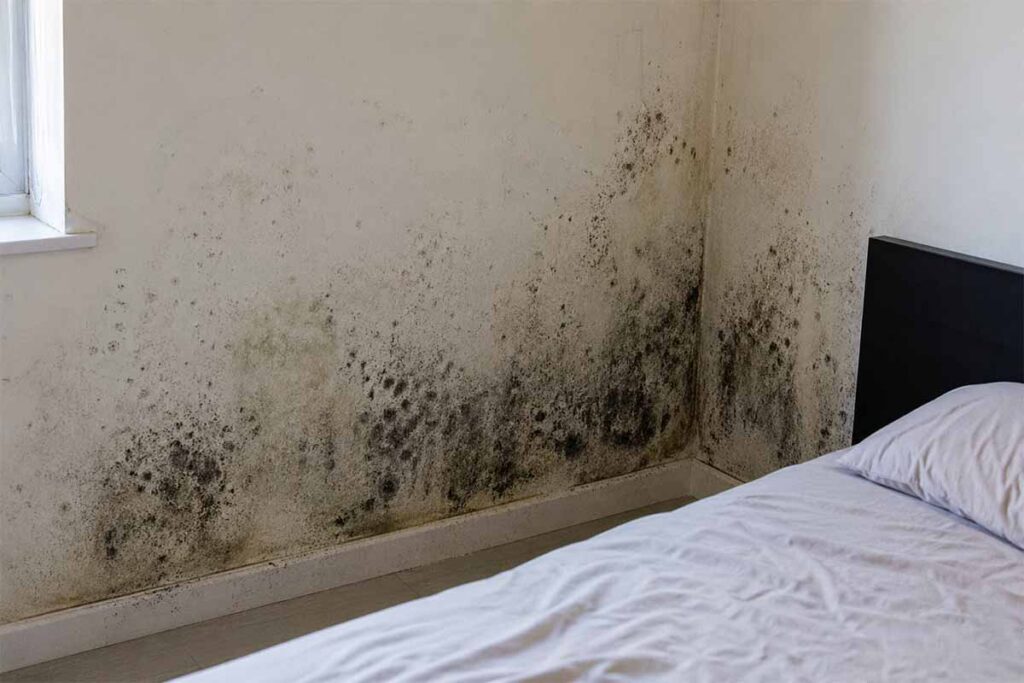
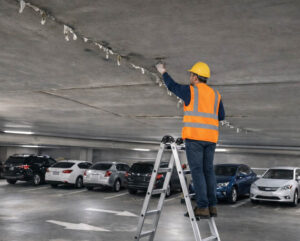
Salt crystals can form inside the pores of masonry, concrete, plaster, and render. As these crystals grow, they create pressure within the material. Repeated moisture and evaporation cycles gradually weaken the surface and cause it to break apart. In commercial and industrial structures, salt and moisture damage may affect basements, underground car parks, warehouses, plant rooms, lift pits, service areas, retaining walls, and storage facilities.
Prolonged water ingress may also reach steel reinforcement within concrete. Corroding reinforcement expands, creating internal pressure that can lead to cracking, spalling, delamination, and concrete cancer.
How Damp Proofing Prevents Salt Damage
Effective Damp Proofing for Homes and Commercial Buildings requires more than repainting an affected wall. The correct treatment must identify and control the source of moisture before damaged finishes are restored.
A complete less-invasive damp-proofing system may involve moisture testing, rising damp treatment, crack injection, membrane waterproofing, salt removal, drainage improvements, and surface restoration.
 Interior Damp Proofing for Homes
 Interior Damp Proofing for Homes
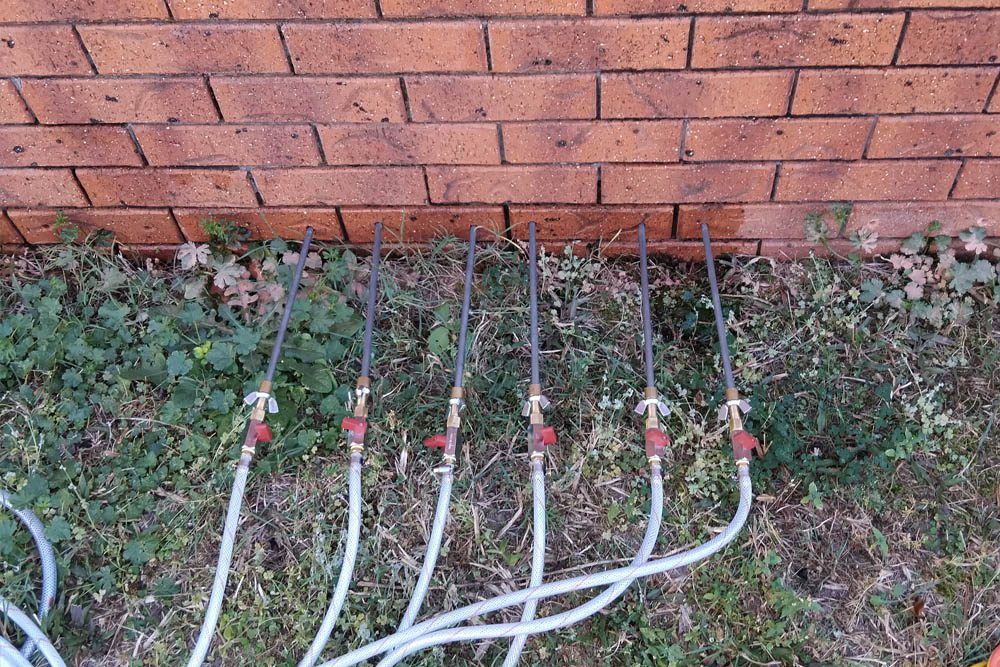
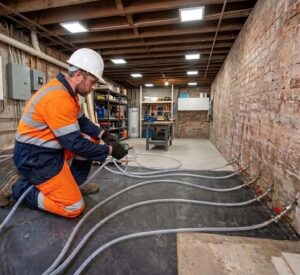
Interior damp proofing for homes helps protect internal walls, bedrooms, laundries, living spaces, garages, storage areas, and below-ground rooms. Depending on the cause of the problem, interior damp proofing may include: chemical damp-proof course installation (Westox Rising Damp System), negative-side waterproofing, resin crack injection, joint sealing, salt-resistant render, desalination treatment, mould remediation and improved ventilation
The system should be selected based on the wall material, moisture pressure, salt content, and accessibility.
Garage Damp Proofing
Garage damp proofing is important where garage walls are built against soil, retaining walls, garden beds, driveways, or poorly drained external ground. Garages are frequently affected by lateral damp, rising moisture, cracks, failed membranes, and water entering through wall-to-floor junctions. Garage damp proofing may involve crack sealing, negative-side membrane installation, chemical injection, joint treatment, and external drainage improvements.
Basement Damp Proofing
Basements are highly vulnerable to groundwater, hydrostatic pressure, wall cracks, construction joints, and failed external membranes. Professional basement damp proofing may include: Polyurethane crack injection, construction joint sealing, sall-to-floor junction treatment, negative-side waterproofing membranes, drainage channels or sump pump systems and
salt removal
When external excavation is not practical, internal damp waterproofing can provide a controlled method of treating water ingress from the negative side of the structure.
Negative-Side Waterproofing
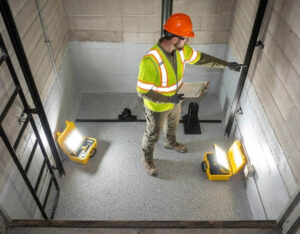
Negative-side waterproofing is applied to the internal face of a wall or floor where water is entering from the opposite side. This method is commonly used in: basements, underground car parks, lift pits, retaining walls, plant rooms, cellars, foundation walls and below-ground commercial spaces.
Before installing a negative-side membrane, active leaks, cracks, joints, and penetrations should be repaired. Otherwise, concentrated water pressure may compromise the new coating.
Salt Damp and Efflorescence Treatment
Salt damp treatment addresses both the moisture source and the salts already present within the wall. Depending on the level of contamination, treatment may involve:
removing damaged plaster and render, cleaning visible salt deposits, and applying salt-neutralising products.
Damp-Proof Membrane Installation
 Damp-Proof Membrane Installation
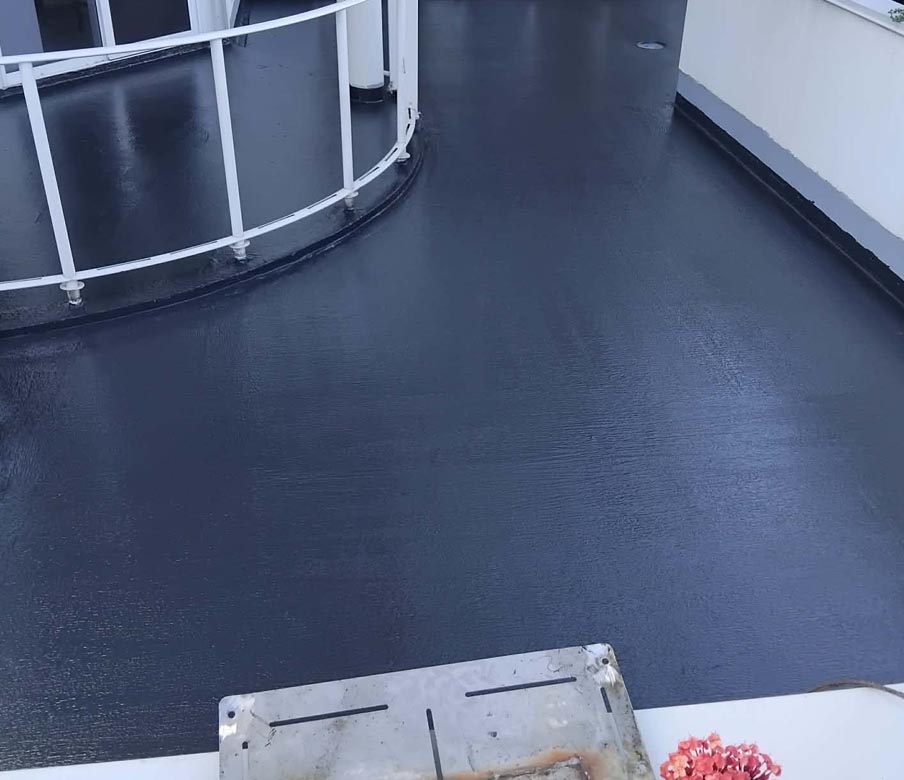
A damp-proof membrane helps stop moisture from passing through walls, floors, slabs, and below-ground structures. Depending on the application, membranes may include: liquid-applied membranes, sheet membranes, negative-side waterproof coatings and protective drainage membranes Correct surface preparation, detailing, priming, curing, and joint treatment are essential for long-term membrane performance.
By addressing both moisture ingress and existing salt contamination, professional damp proofing can protect masonry, concrete, plaster, timber, coatings, and internal finishes.
Effective damp proofing for homes and commercial buildings also improves indoor conditions, reduces recurring maintenance, and helps prevent minor moisture problems from becoming expensive structural repairs.
Related Readings
Other services