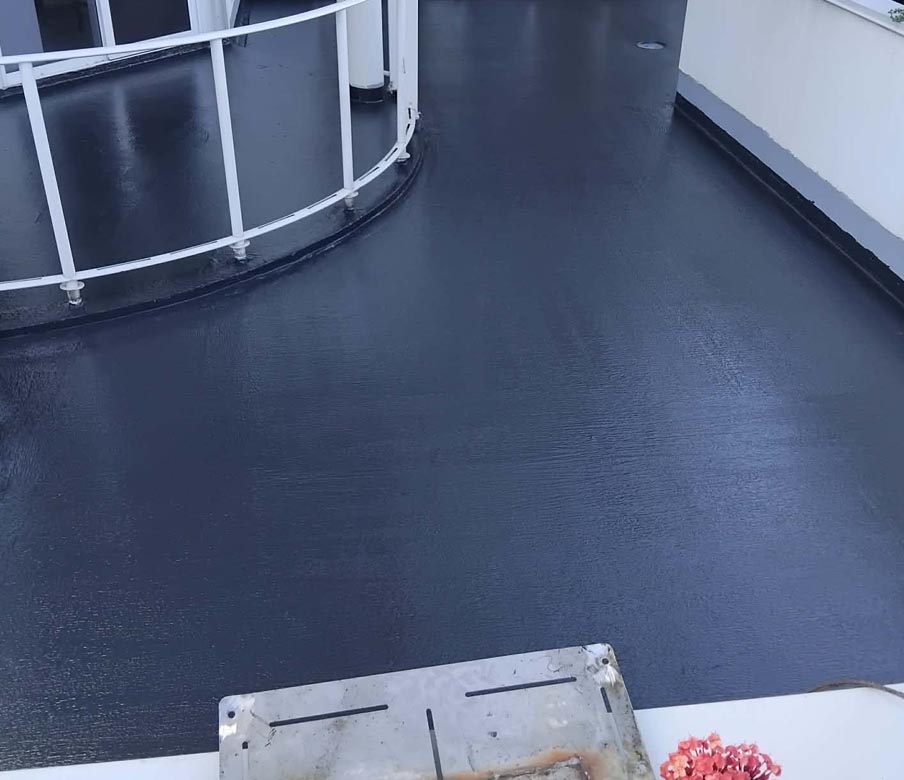

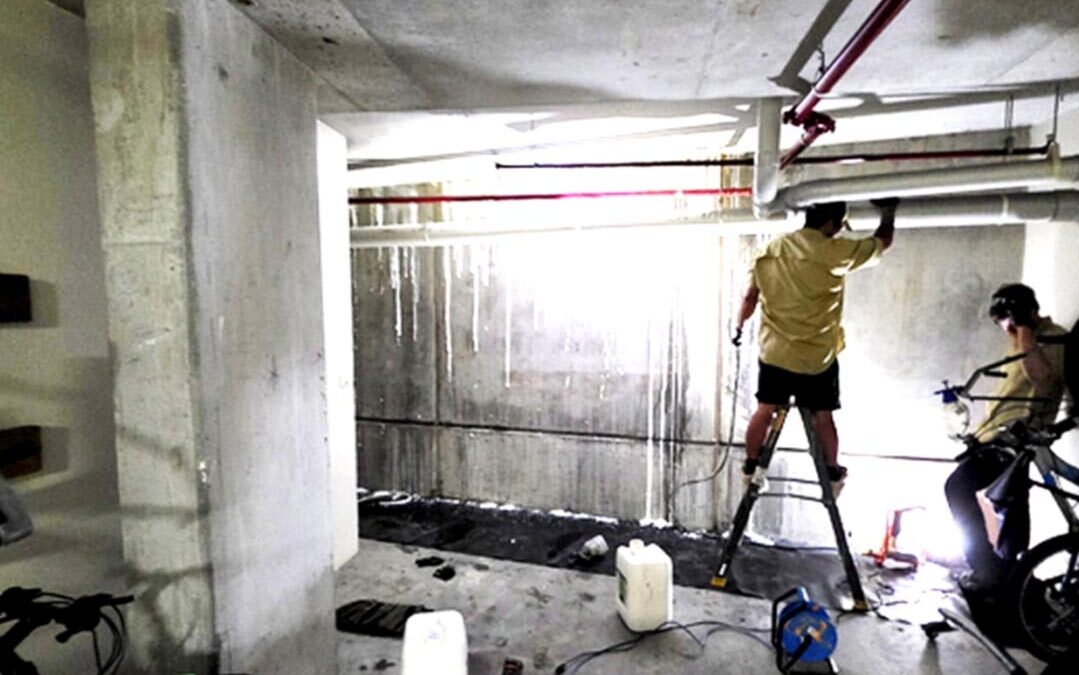
Foundation cracks can be worrying for any property owner, especially when water seepage or structural movement is involved. One common repair method is epoxy injection, which is designed to bond the cracked concrete back together and restore strength to the affected area. But after the repair is complete, many homeowners and builders ask the same question: how can you tell if the epoxy grout injection successfully filled the entire foundation crack?
Understanding the signs of a complete repair can help you assess whether the work was done correctly and whether further investigation is needed.
What Is Epoxy Injection Foundation Repair?
Epoxy injection repair of house foundation involves injecting a high-strength epoxy resin into a crack in the concrete foundation. The resin travels through the crack, fills the void, and hardens into a durable bond. This process is commonly used for structural cracks because epoxy has excellent adhesion and strength once cured.
Unlike surface patching, epoxy resin injection for foundations is intended to fill the crack from the inside, not just cover the visible opening. When properly applied, it can help restore the concrete’s integrity and prevent the crack from widening further.
Epoxy Resin Injection as a Complement to Foundation Waterproofing
Epoxy foundation repair via injection has a complementary relationship to waterproofing because while epoxy restores the structural integrity of cracked concrete, it also helps reduce pathways for water seepage. By bonding the crack surfaces together, epoxy injection closes off openings that could otherwise allow moisture to penetrate. This structural sealing supports building waterproofing systems by minimizing entry points for water, making exterior membranes, drainage systems, or flexible sealants like polyurethane injection more effective. In practice, epoxy injection strengthens the concrete and works hand in hand with foundation waterproofing methods to provide both durability and moisture protection, ensuring a more complete and long-lasting repair.
Indicators of Complete Crack Filling with Epoxy Resin
1. Epoxy Appeared at the Next Injection Port
During concrete epoxy foundation crack repair, injection ports are usually installed along the crack at regular intervals. The concrete foundation sealing contractors inject epoxy into one port until the resin begins to appear at the next port. This is one of the clearest signs that the epoxy has travelled through the crack and filled the internal void between those two points.
If each injection port shows resin before the foundation waterproofing contractors move to the next one, it generally indicates that the crack is being filled continuously rather than only at isolated points.
2. Consistent Resin Flow Was Observed
A successful foundation epoxy injection repair should produce steady and controlled resin movement. If the epoxy flows too quickly, the crack may be very wide or connected to a larger void. If it does not flow at all, the crack may be blocked, too narrow, or improperly sealed.
Consistent flow from port to port suggests the resin is moving through the crack as intended.
3. No Visible Gaps Remain Along the Crack
After the injection is complete and the surface seal is removed or cleaned, the repaired crack should not show obvious untreated gaps. A cracked foundation epoxy grout repair should leave the crack sealed across its visible length.
However, it is important to note that the surface appearance alone does not always prove that the full depth of the crack was filled. Surface sealing is only one indicator. The injection process itself provides stronger evidence.
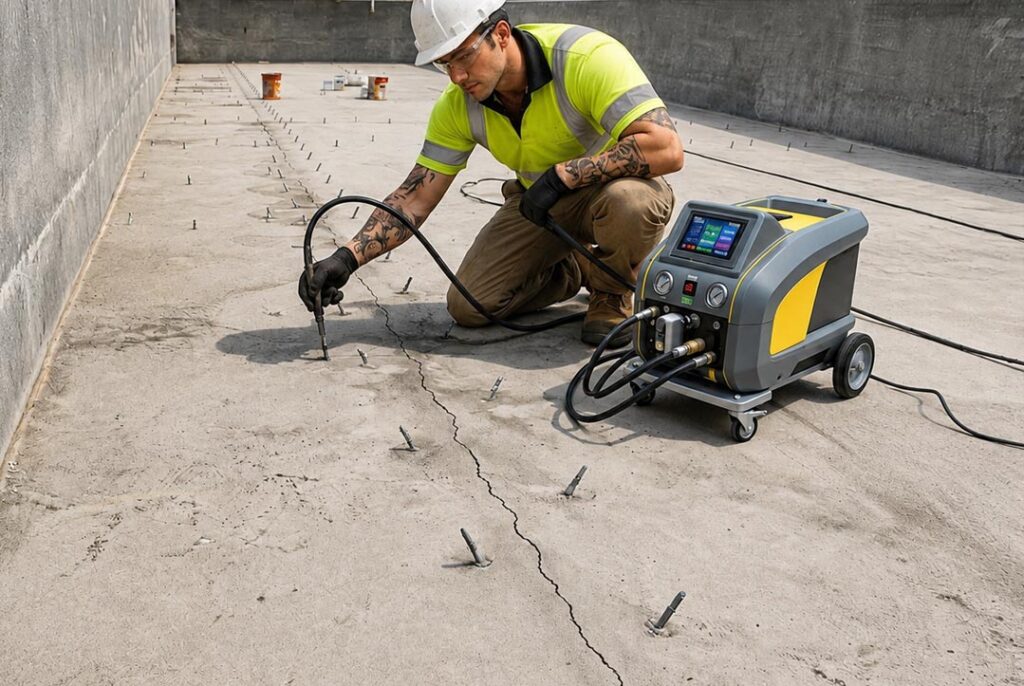
Foundation waterproofing contractor
4. There Is No Continued Water Seepage
If the crack was allowing water to enter before repair, one practical sign of success is that water seepage stops after the epoxy has cured. A properly completed epoxy resin foundation repair should block the pathway through the crack, provided the correct resin was used and the crack was suitable for epoxy injection.
If water continues to leak from the same crack after curing, the repair may not have fully filled the crack, or the water may be entering through another nearby defect.
5. The Epoxy Cured Properly
Epoxy must cure fully to achieve its intended strength. A successful epoxy injection foundation repair should result in hardened resin inside the crack. If the epoxy remains soft, sticky, or uncured, the repair may have been affected by moisture, incorrect mixing, unsuitable material selection, or poor site conditions.
A properly cured epoxy should be firm and bonded to the surrounding concrete.
6. The Crack Does Not Reopen
After epoxy resin injection for foundations, the crack should remain closed and stable. If the same crack reappears, widens, or shows new movement, this may indicate that the original cause of the cracking was not addressed.
Epoxy is strong, but it is not a substitute for correcting ongoing foundation movement, soil instability, drainage problems, or structural loading issues.
How Contractors Confirm a Complete Fill
Experienced contractors use several checks during epoxy foundation crack repair via injection to confirm that the resin has filled the crack properly. These may include:
- Monitoring resin flow between injection ports
- Watching for epoxy refusal, where the crack will not accept more resin
- Checking for leaks through the surface seal
- Inspecting the cured repair
- Using pressure control during injection
- Reviewing whether the crack accepted the expected volume of epoxy
In some cases, especially for critical structural repairs, further investigation may be recommended. This can include drilling small verification holes, use moisture testing, or have the repair assessed by a structural engineer.
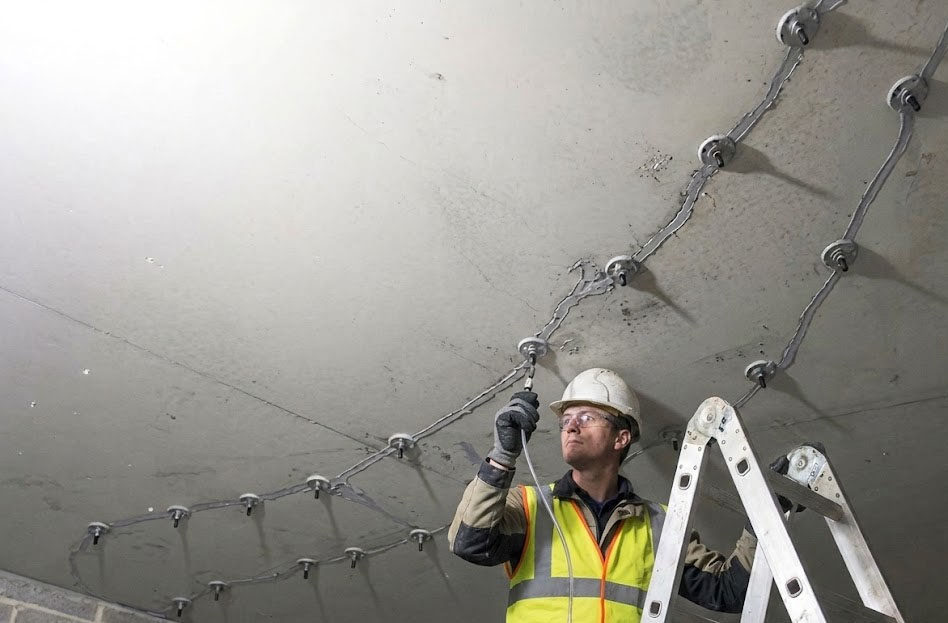
Basement foundation waterproofing via epoxy resin injection
When Epoxy Injection May Not Be Enough
Foundation epoxy injection repair is highly effective for many structural cracks, but it is not suitable for every situation. If the crack is actively moving, very wet, contaminated, or caused by ongoing settlement, epoxy may not provide a permanent solution on its own.
For leaking cracks where movement is expected, polyurethane injection may sometimes be considered instead. For structural cracks, however, epoxy resin foundation repair is often preferred because it creates a rigid bond.
The right repair method depends on the type of crack, the cause of the damage, the presence of water, and the condition of the foundation.
Why Proper Application Matters
The success of foundation crack repair via epoxy injection depends heavily on preparation and technique. The crack must be properly cleaned, sealed, ported, injected, and cured. Poor installation can leave voids inside the crack, even if the surface looks repaired.
A professional foundation waterproofing contractors should understand the correct concrete crack injection pressure, port spacing, resin viscosity, and curing requirements for the specific foundation condition.
Final Thoughts
The best signs that an epoxy grout injection successfully filled the entire foundation crack include epoxy appearing at each successive injection port, consistent resin flow, no remaining visible gaps, no continued water seepage, proper curing, and long-term crack stability.
A cracked foundation epoxy grout repair should do more than cover the surface. When done correctly, epoxy resin injection for foundations fills the internal crack and bonds the concrete back together. For serious or recurring cracks, it is always wise to have the foundation assessed by a qualified repair specialist or structural engineer to ensure the underlying issue has been properly resolved.