
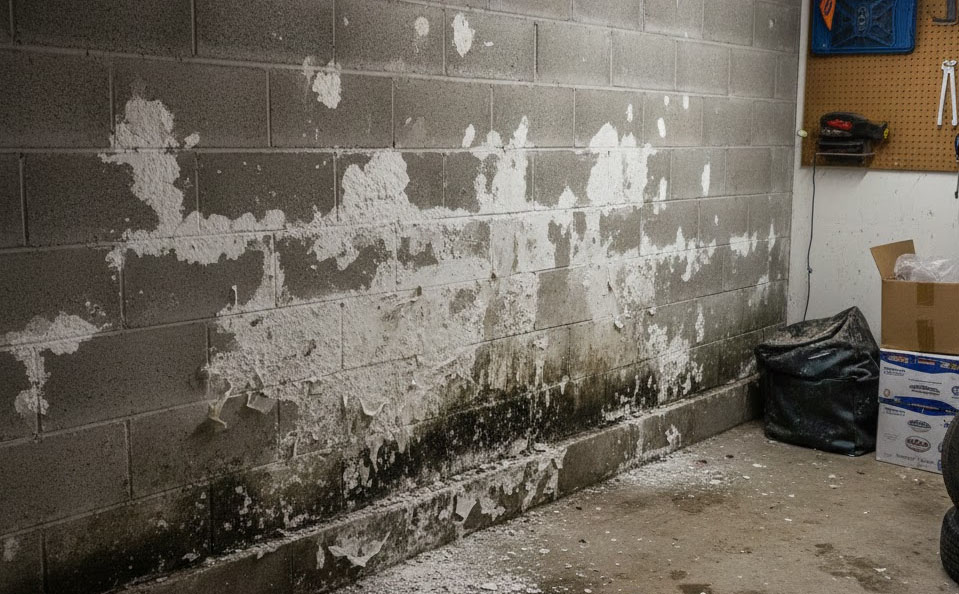
Damp in brickwork often starts with small signs that are easy to overlook. You might notice a tide mark near the bottom of a wall, bubbling paint, crumbling plaster or white, powdery salt deposits appearing on the surface. Over time, there may also be a musty smell, damaged skirting boards or persistent mould.
When moisture is travelling upwards from the ground through brick and mortar, the problem may be rising damp. Because masonry is naturally porous, moisture can move through tiny capillaries within the brickwork. As it rises, it carries salts into the wall, which can damage plaster, paintwork and other finishes.
Simply repainting or replastering the affected area usually won’t solve the underlying problem. If rising damp is correctly diagnosed, the best damp course treatment remediation is needed to create a barrier and prevent moisture from continuing to travel through the masonry.
Here are the main options.
1. Chemical Injection Damp Proof Course
Chemical Injection Damp Proof Course
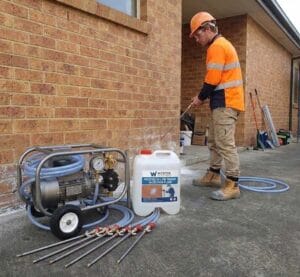
Chemical injection is one of the most practical damp course injection for existing brick masonry.
Small holes are drilled at regular intervals along a suitable mortar joint, usually near the base of the wall. A silane or siloxane-based cream, gel or fluid is then injected into the masonry. Once distributed through the mortar and surrounding material, it creates a water-repellent barrier designed to stop rising moisture.
- Why it’s commonly used: Chemical resin injection is relatively quick, minimally invasive and generally more economical than physically cutting into the wall. It can be particularly useful when an existing damp proof course has failed or is missing.
- What matters: Installation needs to suit the wall construction. Hole spacing, drilling depth, mortar condition and moisture levels can all affect the result. Poor application can leave gaps in the barrier and allow damp to continue.
2. Physical Damp Proof Course
A physical damp proof course (DPC) creates a solid barrier between the lower masonry and the rest of the wall. Materials can include polyethylene membranes, bituminous products and, in some older buildings, slate. Physical DPCs are commonly incorporated during construction. Retrofitting one into an existing brick wall is possible, but the process is considerably more involved. Sections of mortar are carefully cut out and the new barrier is inserted through the wall.
- Why it’s effective: A correctly installed physical DPC provides a durable physical break that prevents groundwater from travelling upwards through the masonry.
- What to consider: Retrofitting can be labour-intensive and disruptive, particularly in older or structurally sensitive brickwork. It requires careful assessment and specialist installation.
3. Cementitious Waterproofing and Tanking
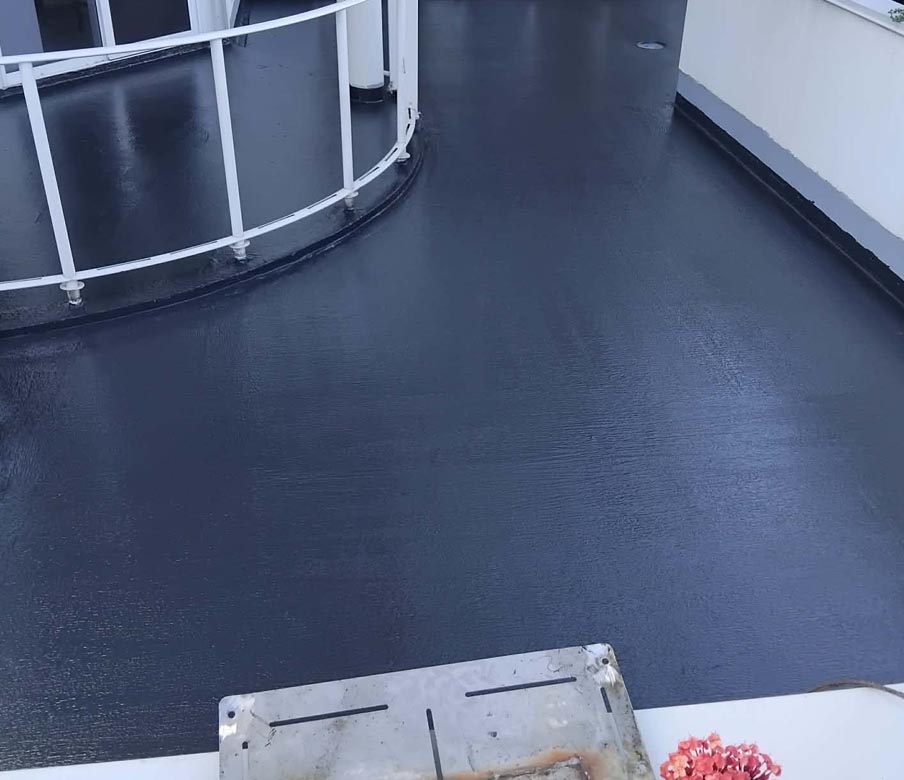
Cementitious waterproofing systems are more commonly used where masonry is exposed to groundwater or hydrostatic pressure, such as basements, retaining walls and other below-ground areas. The waterproof slurry is applied directly to a properly prepared masonry surface, creating a barrier designed to resist moisture penetration.
- Where it works well: Below-ground brick or masonry walls where water pressure is the main concern.
- What to consider: Tanking isn’t generally a standalone answer to rising damp in above-ground walls. The source and direction of the moisture need to be identified before deciding whether this type of waterproofing is appropriate.
4. Damp-Resistant Render and Membrane Systems
Once rising damp has been treated, the wall may still contain salts left behind by years of moisture movement. These salts can continue to affect conventional plaster even after the source of the damp has been addressed.
Damp-resistant renders and suitable membrane systems can be used as part of the repair process, particularly where the existing plaster is badly contaminated or damaged.
These systems shouldn’t simply be used to cover an active damp problem. They’re most effective when combined with appropriate damp course injection treatment and proper preparation of the affected masonry.
5. Electro-Osmotic Damp Proofing
Electro-osmotic systems use electrical components installed within the wall in an attempt to control the movement of moisture through the masonry. They are sometimes considered where conventional damp proofing methods are difficult to install. However, their suitability depends heavily on the building and the specific moisture problem, so a thorough assessment is important before choosing this approach.
Which is the Best Damp Course Repair Is Right for Brick Walls?
There isn’t one best damp course treatment remediation that’s right for every property.
A physical DPC provides a direct and durable moisture barrier, but installing one retrospectively can involve significant work. For many existing brick walls, chemical injection is a practical alternative because it can create an effective damp barrier without extensively cutting into the masonry. The right solution ultimately depends on the wall construction, condition of the mortar, moisture source and accessibility.
It’s also important to deal with anything that may be contributing to the problem, including:
- Leaking or overflowing gutters and downpipes
- External paving, garden beds or soil bridging the existing DPC
- Plumbing leaks around or inside the wall
- Damaged mortar joints or deteriorated pointing
- Poor drainage around the building
- Cracks or defects allowing rainwater into the masonry
Get the Damp Problem Properly Diagnosed First
Not every damp wall is caused by rising damp.
Penetrating rainwater, plumbing leaks, condensation and waterproofing failures can produce very similar symptoms. On Gold Coast properties, heavy rainfall, humidity and exposure to the elements can also contribute to moisture problems, making an accurate diagnosis particularly important.
Before carrying out damp course treatment, the wall should be inspected to determine where the moisture is actually coming from. Treating the wrong problem can mean spending money on a solution that never addresses the real cause.
Whether the answer is chemical damp proofing, a physical DPC, waterproofing, leak repairs or repairs to the surrounding masonry, getting the diagnosis right is the first step towards a lasting result.
For homeowners, builders and property managers dealing with persistent damp, professional Gold Coast waterproofing and damp assessment can help identify the source of the moisture and determine the most appropriate treatment for the building.