


Why it Matters?
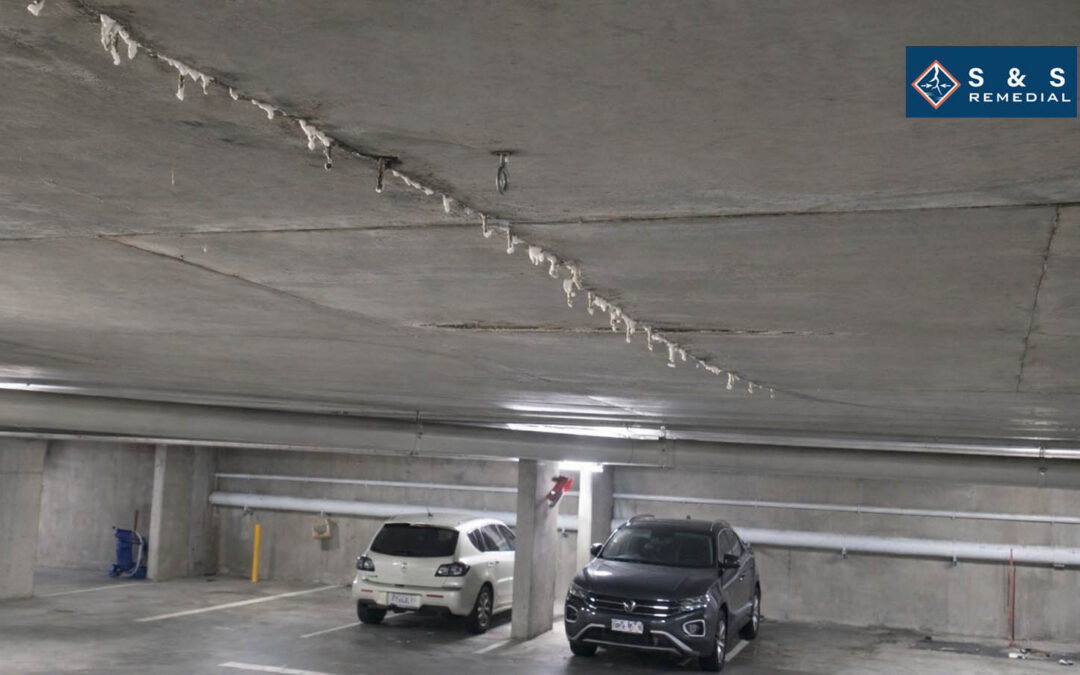
Remedial structural repairs are not maintenance, decoration, or optional improvement—it is the process of restoring a building’s structural integrity, safety, and performance. When water ingress, concrete cancer, corrosion, or structural movement is present, the building has already failed to perform as designed. In these circumstances, compliance with the National Construction Code (NCC) is not negotiable. It is the baseline requirement for safety, legality, and long-term durability.
Yet across the construction and remedial services, non-compliant “repairs” are still routinely sold as affordable remedial building solutions. These shortcuts may appear to resolve visible symptoms, but they often ignore the structural reality of the problem. The result is accelerated deterioration, increased risk, and ultimately far greater cost. Understanding why NCC compliance matters—and why anything less is unacceptable.
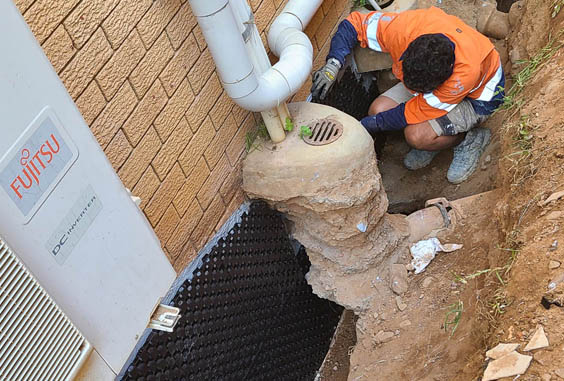
Restore the strength, safety, and value of your property with our remedial structural repair services (Brisbane or Gold Coast). From concrete cancer and epoxy crack injection to basement remediation and foundation stabilisation, we deliver NCC‑compliant structural repair solutions that extend the life of your building and protect against future damage.
Our specialists combine technical expertise with proven methods to ensure every repair meets the highest standards of durability and compliance.
The NCC Exists to Protect Life, Property, and Structural Performance
The NCC is not a guideline or recommendation. It is a mandatory regulatory framework governing how buildings must be designed, constructed, and repaired in Australia. Its objectives are clear: protect occupant safety, ensure structural adequacy, and deliver buildings that perform reliably over their intended service life.
When a structure suffers water ingress or structural degradation, it no longer complies with those objectives. Any remedial building work undertaken must therefore restore compliance, not merely reduce inconvenience. A commercial or residential structural repair in Brisbane or Gold Coast that does not meet NCC requirements fails to reinstate the building’s lawful and safe condition.
This is particularly critical for structural elements such as basements, retaining walls, slabs, columns, balconies, and podiums—areas where failure can have catastrophic consequences.
Water Ingress Is a Structural Failure, Not a Surface Defect
One of the most common misconceptions in concrete remedial work is that water ingress is a cosmetic or waterproofing issue. In reality, persistent water ingress is a symptom of structural failure. It indicates defects in design, construction, materials, or movement control that allow water to penetrate the building envelope.
Once water enters a structure, it initiates a destructive cycle:
- Reinforcement steel corrodes
- Concrete cracks, delaminates, and spalls
- Load-bearing capacity is reduced
- Structural durability is compromised
Treating only the visible leak—without addressing the structural cause—does not stop this process. In many cases, non-compliant structural repair services such as surface coatings or unengineered injections actually trap moisture, accelerating internal corrosion.
NCC‑compliant structural repair services require a forensic approach: identifying the ingress pathways, assessing structural damage, and implementing a repair system that restores both waterproofing and structural performance.
COMPLIANCES




Get Your Free Negative Wall Waterproofing Assessment
Don’t wait until leaks cause damage — protect your investment today.
Your basement is your first line of defense against water ingress. Don’t let water compromise your property. We seal, shield, and safeguard — so you can rest easy.
Dial 1300 621 049 or mail us today!
Contact S&S Remedial Waterproofing and discover how our compliant, cost-saving solutions can keep your property watertight for years to come.
Concrete Structural Repairs Require Engineering, Not Guesswork
The NCC is underpinned by engineering principles. Structural remediation must be based on:
- Load paths and structural behaviour
- Material compatibility and durability
- Movement control and joint design
- Environmental exposure classifications
Non-compliant repairs typically lack engineering oversight. They rely on generic products or one-size-fits-all solutions applied without understanding how the structure actually works. These approaches may temporarily reduce water entry but fail to address:
- Ongoing structural movement
- Reinforcement corrosion
- Differential settlement
- Long-term durability
NCC-compliant repairs are engineered solutions, not trade fixes. They are designed to work with the structure, not against it.
Long-Term Cost Efficiency Depends on Compliance
Non-compliant repairs are often justified as “cost savings.” In reality, they represent cost deferral, not cost reduction. By failing to address the root cause, they allow structural deterioration to continue behind the scenes.
This leads to:
- Repeat repair cycles
- Escalating damage
- Larger scope of future works
- Increased disruption and expense
NCC-compliant remedial building repairs may have a higher initial cost, but they deliver:
- Permanent resolution
- Extended service life
- Reduced maintenance
- Predictable asset performance
From a lifecycle perspective, compliance is the only financially responsible option.
Accountability, Traceability, and Quality Assurance
Another critical aspect of NCC compliance is accountability. Compliant remedial works involve:
- Defined scopes aligned with NCC requirements
- Engineering design and certification
- Approved materials and tested systems
- Documented installation and inspection processes
This traceability ensures that if issues arise in the future, responsibility is clear and remedies are enforceable. Non-compliant repairs offer no such protection. When they fail—as they often do—there is little recourse.
For strata and commercial assets, this accountability is essential for governance, compliance audits, and future capital planning.
NCC Compliance Is About Risk Management
At its core, NCC compliance in remedial structural repair (Brisbane or Gold Coast) is about risk management. It reduces:
- Safety risk to occupants and users
- Financial risk to owners and investors
- Legal risk to committees and managers
- Reputational risk for all stakeholders
Water ingress and structural degradation are warning signs. Ignoring them—or addressing them improperly—magnifies risk over time. NCC-compliant remediation addresses that risk decisively and responsibly.
Conclusion: There Is No Acceptable Alternative
Remedial structural repairs are not an area where shortcuts are acceptable. When a structure has failed, the response must meet the same regulatory and engineering standards as the original construction—often higher.
- NCC compliance is non-negotiable because:
- Structural safety is non-negotiable
- Legal obligations are non-negotiable
- Long-term performance is non-negotiable
Anything less than NCC-compliant remedial structural repairs are not a solution—it is a delay with consequences.
For building owners, strata committees, and asset managers, the choice is clear: comply, or compound the problem.
What Are We Known For?
S&S Remedial has built its reputation across Brisbane, the Gold Coast, and Tweed as a trusted specialist in commercial waterproofing and residential structural repairs. Below are the key pillars that define who we are and what clients expect when they choose us:
20+ Years of Experience
With decades of hands-on expertise, Our Brisbane structural repairs are carried out by industry expert, ensuring compliance with Queensland’s building regulations (QBCC) and eligibility for warranty protection.
NCC-Compliant, Engineering-Led Solutions
All our remedial structural repairs for residential and commercial properties are carried out in strict accordance with the National Construction Code (NCC) and relevant Australian Standards. Our waterproofing specialists are skilled and QBCC-licensed. Compliance is not optional—it is fundamental.
Proven Systems, Not Experimental Fixes
We use tested, industry-approved repair systems selected for their compatibility with existing structures and exposure conditions.
- Structural concrete repair and reinstatement
- Corrosion treatment and protection
- Crack injection and movement control
- Integrated waterproofing solutions
Every material and method is chosen for long-term performance—not short-term convenience.
Accountability and Quality Assurance
Remedial structural repairs requires accountability at every stage. We provide:
- Clear scopes of work
- Engineering documentation where required
- Quality control and inspection processes
- Transparent reporting and warranties
This ensures confidence not only during construction, but long after the project is complete.
Brand We Trust

NCC Compliance Is About Risk Management
At its core, NCC compliance in commercial and residential structural repair is about risk management. It reduces:
- Safety risk to occupants and users
- Financial risk to owners and investors
- Legal risk to committees and managers
- Reputational risk for all stakeholders
Water ingress and structural degradation are warning signs. Ignoring them—or addressing them improperly—magnifies risk over time. NCC-compliant remediation addresses that risk decisively and responsibly.
Conclusion: There Is No Acceptable Alternative
Concrete structural repairs (Gold Coast & Brisbane) are not an area where shortcuts are acceptable. When a structure has failed, the response must meet the same regulatory and engineering standards as the original construction—often higher.
Contact Us Now!
Frequently Asked Question
When do I need concrete structural repairs on the Gold Coast?
Are structural repair specialists different from general builders?
Yes. Brisbane structural repair specialists focus specifically on load-bearing elements and structural defects. Their work goes beyond cosmetic repairs and often involves engineering assessment, specialised materials, and compliance with Australian Standards.
Which Gold Coast and Brisbane suburbs do you service for structural repairs?
We cover all suburbs, but we are regularly inquired about structural repairs from Brisbane and Gold Coast known areas like:
Gold Coast
- Mermaid Beach
- Broadbeach
- Burleigh Heads
- Surfers Paradise
- Palm Beach
- Currumbin
- Hope Island
- Varsity Lakes
- Southport
- Robina
Brisbane
- New Farm
- Paddington
- West End
- Wilston
- Ascot
- Teneriffe
- Highgate Hill
- Bulimba
- Red Hill
- South Brisbane
Is structural repair services in Gold Coast, Brisbane, Ipswich and Tweed Coast covered by state warranty?
Yes, when installed by certified professionals using compliant waterproofing products.
SSR Structural Repair Solutions offers a workmanship warranty of up to 6.5 years from practical completion, along with a manufacturer or product warranty that typically ranges from 7 to 20 years, depending on the remediation method specified for the concrete slab.
Are residential structural repairs required under the NCC or other building regulations?
This ensures repairs restore the building’s safety, durability, and performance. In practice, if a structural issue is found — such as concrete spalling, foundation movement, or compromised load‑bearing elements — repairs must be carried out in line with NCC requirements.
Non‑compliance can lead to legal liability, insurance issues, and safety risks for occupants.