
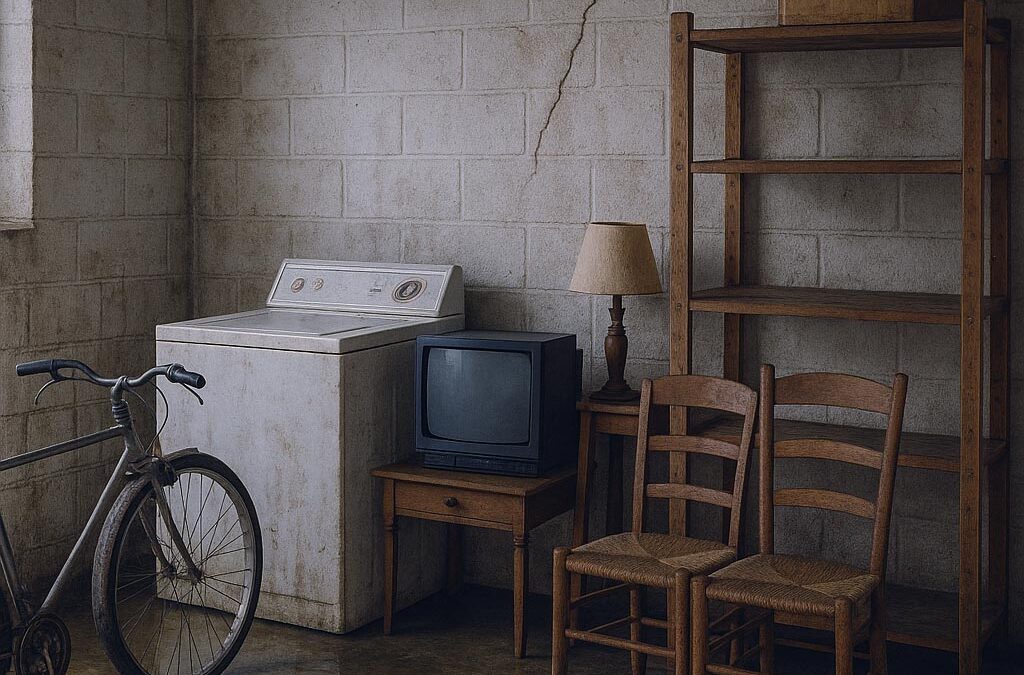
Water seepage can be easy to dismiss as a minor maintenance issue. You notice a damp patch, paint over it, air out the room and assume the problem is sorted. Then the next period of heavy rain arrives, and the stain comes back.
The problem is that ongoing water seepage isn’t just about how your property looks. When moisture gets into walls, floors and concrete structures, it can create the damp conditions that allow mould, bacteria and dust mites to thrive.
Over time, poor indoor conditions caused by persistent dampness may contribute to respiratory irritation, allergies and worsening asthma symptoms.
How Water Seepage Can Affect Indoor Air Quality
Water has a habit of finding the smallest weaknesses in a building.
It can enter through cracks in concrete, failed waterproofing membranes, construction joints, porous masonry, retaining walls, basements and foundations. Across Brisbane, the Gold Coast, Logan and Ipswich, periods of heavy rainfall combined with Queensland’s humid climate can make existing waterproofing problems much more noticeable.
The tricky part is that water ingress isn’t always visible.
Moisture can become trapped behind plasterboard, beneath flooring or inside wall cavities. By the time you notice a musty smell, bubbling paint or visible mould, the area behind the surface may have been damp for some time.
According to the [World Health Organization](https://www.who.int/publications/i/item/9789289041683), dampness and microbial growth in buildings are associated with an increased risk of respiratory symptoms, allergies and asthma.
That doesn’t mean everyone in a damp property will become unwell. However, it does mean persistent moisture shouldn’t be treated as purely a cosmetic problem, particularly when vulnerable occupants are involved.
Can Damp and Mould Make You Sick?
People react to damp and mould differently. One person may notice very little, while another may experience irritation whenever they spend time in the affected area.
The [US Centers for Disease Control and Prevention](https://www.cdc.gov/mold-health/about/index.html) lists possible symptoms associated with mould exposure, including:
- Blocked or runny nose
- Coughing and wheezing
- Sore or irritated throat
- Red, itchy or watery eyes
- Skin irritation and rashes
- Worsening asthma symptoms
People with asthma, mould allergies, chronic lung conditions or weakened immune systems may be more sensitive to mould and damp indoor environments. Young children and older adults may also be more susceptible.

If symptoms are severe, persistent or seem to become worse when you’re inside the property, speak with a qualified healthcare professional. A waterproofing specialist can find and repair the source of moisture, but medical symptoms should always be assessed by an appropriate healthcare professional.
Signs of Water Seepage Around Your Property
A waterproofing problem doesn’t always mean water pouring through a wall. In many cases, the first warning signs are much less obvious.
Keep an eye out for:
- * Musty or earthy smells
- * Peeling, blistering or bubbling paint
- * Crumbling plaster or damaged skirting boards
- * Dark mould spots on walls or ceilings
- * White, powdery salt deposits on concrete or masonry (efflorescence)
- * Damp carpet or flooring
- * Water stains that return after heavy rain
- * Persistent condensation despite adequate ventilation
- * Rusting steel or signs of deteriorating concrete
These symptoms can point to moisture moving through or becoming trapped within the building.
Leaving the problem untreated can allow water ingress to continue, potentially leading to more extensive remedial repairs and creating better conditions for mould growth.
Why Cleaning Mould Won’t Fix Water Seepage
Cleaning visible mould can make a room look better, but if water is still getting in, the improvement may only be temporary.
The same applies to repainting a damp wall. Fresh paint can cover stains for a while, but it won’t repair a leaking construction joint, concrete crack or failed waterproofing membrane behind the surface.
The [US Environmental Protection Agency](https://www.epa.gov/mold/can-mold-cause-health-problems) identifies moisture control as the key to controlling mould.
In practical terms, that means finding out **where the water is coming from and why it’s getting in**.
Depending on the cause and location of the leak, remedial waterproofing may involve:
- Polyurethane crack injection
- Construction and expansion joint sealing
- Negative-side waterproofing
- Rising damp treatment
- Concrete crack and spalling repairs
- Repair or replacement of failed waterproofing membranes
There isn’t one waterproofing product that fixes every leak. The right repair depends on the source of the water, how it is travelling through the structure and the condition of the surrounding concrete or masonry.
That’s why a proper inspection should come before choosing a repair method.
Stop Water Seepage at the Source
S&S Remedial investigates and repairs water ingress affecting basements, retaining walls, foundations, lift pits and other concrete structures across Brisbane, the Gold Coast, Logan and Ipswich.
Instead of simply covering the stain or treating the visible symptoms, we focus on identifying how water is entering the structure and recommending a remedial waterproofing solution suited to the building and site conditions.
Whether you’re dealing with a leaking concrete crack, failed joint, persistent basement seepage or another waterproofing issue, getting it assessed early can help prevent a relatively manageable problem from developing into more extensive damage.
It can also help keep internal areas drier and reduce the conditions that encourage recurring mould growth.
Need Help With Water Seepage or Waterproofing?
If you’ve noticed persistent dampness, recurring mould, peeling paint, water stains or moisture entering through concrete, don’t wait for the next heavy downpour to see how bad it gets.
Contact **S&S Remedial** to arrange a professional inspection. We’ll investigate the source of the water ingress and recommend a practical waterproofing or remedial repair solution for your property.
Water seepage, also known as moisture ingress, is more than just a building maintenance issue—it’s a hidden health hazard that can affect anyone living or working in an affected property.
When water penetrates walls, floors, or ceilings, it creates damp conditions that promote mould and mildew growth, leading to poor indoor air quality.
Health Risks Associated with Water Ingress
- Respiratory Issues: Damp environments promote the growth of mould spores, which can trigger asthma, allergies, and other respiratory conditions.
- Skin Irritation: Prolonged exposure to mould or damp air can cause rashes or irritation.
- Weakened Immune Response: Vulnerable individuals—such as children, the elderly, or those with compromised immune systems—may experience worsened symptoms.
- Musty Odors & Air Quality: Persistent dampness leads to poor indoor air quality, which can aggravate sinus problems and fatigue
Need Waterproofing That Lasts?
S&S Remedial delivers licensed, warranty-backed waterproofing—servicing Brisbane & Gold Coast.
Decline in Indoor Air Quality
Moisture trapped in walls, ceilings, or floors leads to musty odors and airborne contaminants. This can aggravate:
- Sinus problems
- Fatigue
- Headaches
- Breathing difficulties
“Health codes identify water ingress as a precursor to mould, air quality decline, or HHSRS breaches.”
Electrical Hazards
Water ingress near electrical systems increases the risk of:
- Short circuits
- Electrical fires
- Shock hazards
“Water seepage into electrical systems can lead to short circuits and potential fire hazards.”
The Hidden Spread
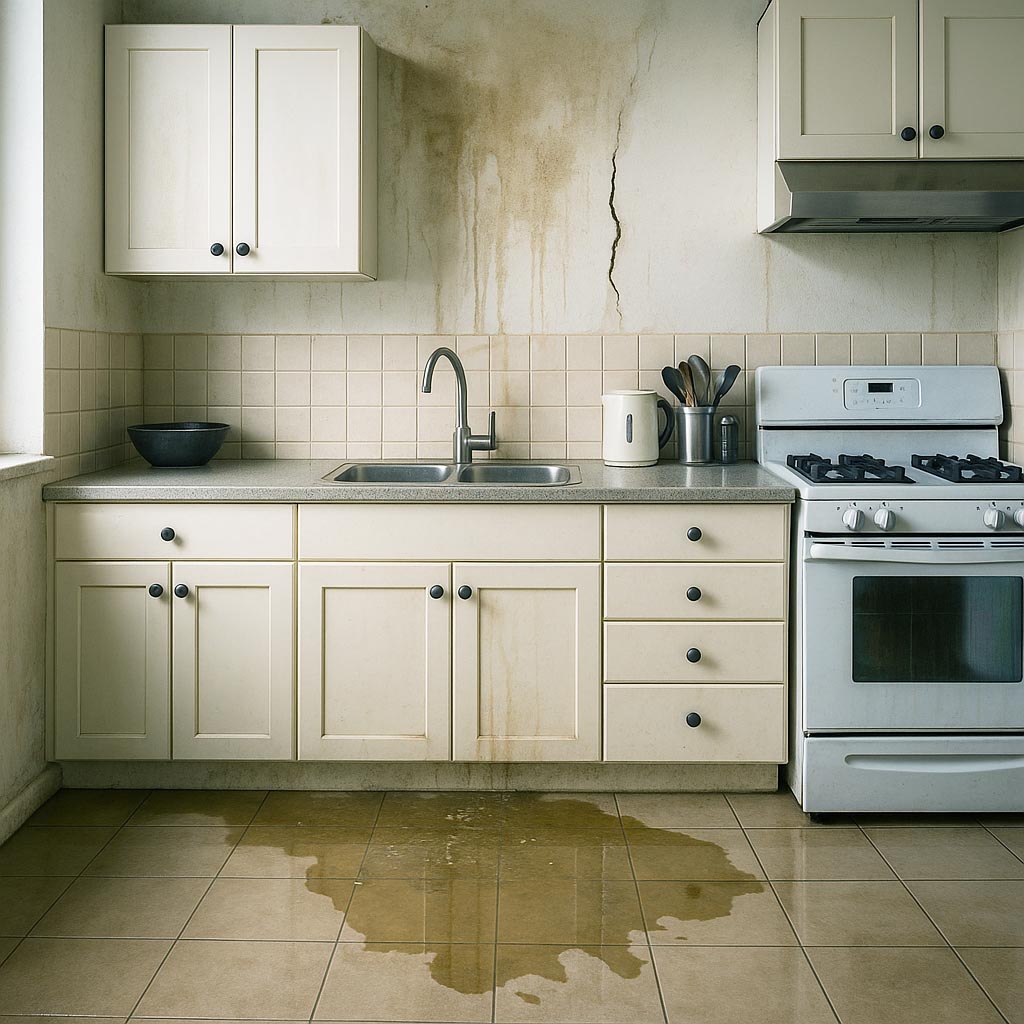
Water ingress often travels laterally or vertically through hidden pathways, meaning the damage—and health risk—may be worse than it appears.
“Ignored moisture is not benign—it’s the first step in a process that erodes safety, value, and legal standing.”
What You Should Do
- Schedule a professional inspection immediately
- Repair cracks, leaks, and faulty membranes
- Apply waterproof coatings and sealants
- Improve ventilation and drainage
Why It Happens
Water ingress creates a moist, stagnant environment—ideal for mould and bacteria to thrive. This often occurs in:
- Cracked walls or foundations
- Leaky roofs or windows
- Poorly ventilated basements or bathrooms
Prompt repair and waterproofing—like the water ingress services offered by S&S Remedial—can prevent these health hazards and restore a safe living environment.
Other Services


