


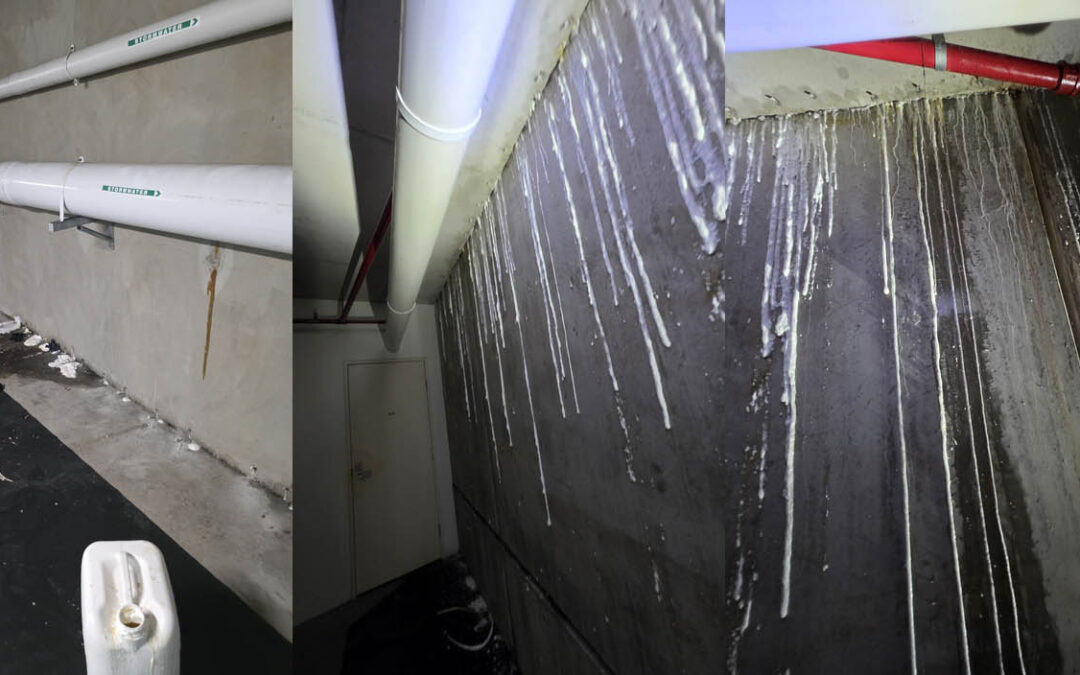
What We Do?
When external access is limited or excavation is impractical, negative hydrostatic pressure waterproofing becomes the most viable solution. At S&S Remedial Waterproofing, we deliver cost-effective negative waterproofing services that meet the National Construction Code (NCC) and Australian Standards, ensuring long-term protection without compromising compliance or budget. Our QBCC offer a cost-effective solution for builders, strata managers, and property owners.
Why Compliance Doesn’t Have to Cost More?
NCC Negative Waterproofing
Our waterproofer follow strict NCC guidelines and use advanced surface preparation techniques to ensure excellent adhesion and long-term performance.
Australian Standard AS 4654.2
We uses certified products that meet or exceed these standards. It’s a smart investment that ensures long-term protection.
Warranty Protection
We holds full QBCC accreditation, ensuring legal compliance, warranty-backed installations, & coverage under Queensland’s Home Warranty Scheme.
Elimination of Excavation Costs
Minimal Disruption & Downtime
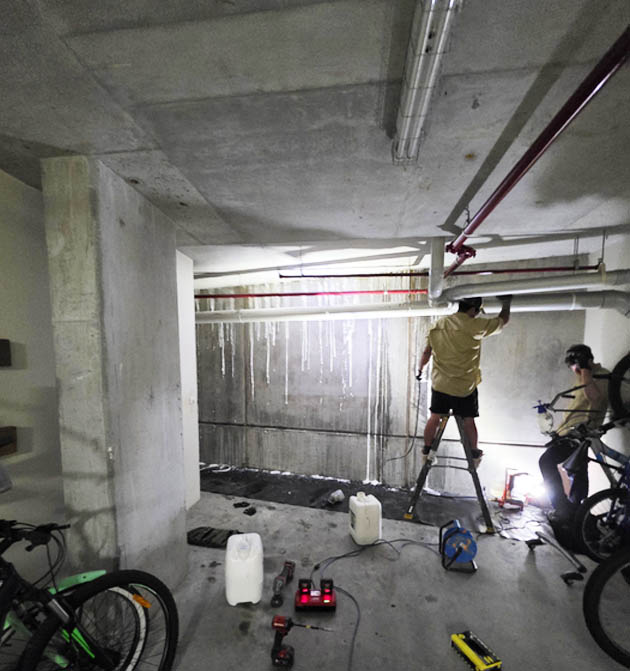
Negative-side waterproofing allows skilled technicians to work entirely from the inside, minimising inconvenience to occupants
Fast turnaround ideal for remedial work
When positive-side waterproofing fails or wasn’t installed, negative systems offer a practical fix without structural demolition—especially in tenanted buildings or tight urban sites.
Tailored Solutions for Complex Waterproofing Challenges in Brisbane & Gold Coast
At S&S Remedial Waterproofing, we combine industry expertise with the latest waterproofing technologies to deliver negative membrane waterproofing results that last. Every project is completed by licensed professionals using premium membranes and coatings designed for the Gold Coast, Brisbane, Ipswich, and Tweed Head climate.
COMPLIANCES



Get Your Free Negative Wall Waterproofing Assessment
Don’t wait until leaks cause damage — protect your investment today.
Your basement is your first line of defense against water ingress. Don’t let water compromise your property. We seal, shield, and safeguard — so you can rest easy.
Dial 1300 621 049 or mail us today!
Contact S&S Remedial Waterproofing and discover how our compliant, cost-saving solutions can keep your property watertight for years to come.
Negative Waterproofing: Solving Five Common Water Ingress Problems in Below-Grade Structures
1. Seepage Through Concrete Walls and Slabs
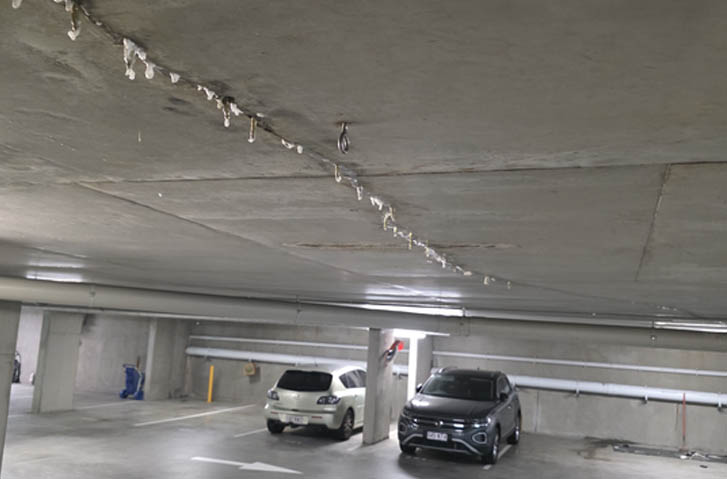
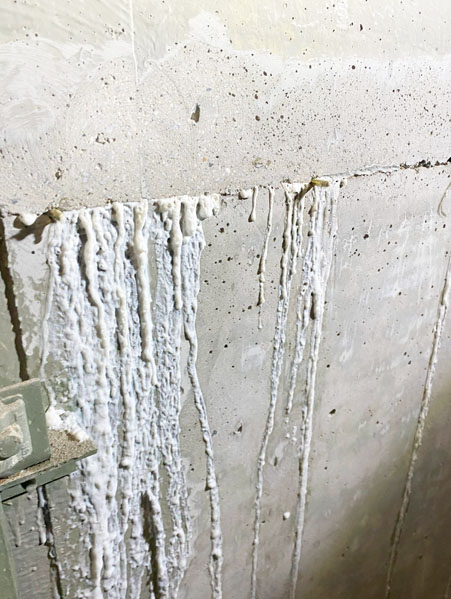
Water or moisture seeps through cracks, joints, or porous concrete from the outside soil or groundwater. Normally found on foundation, basements, retaining walls, lift pits, tunnels, car parks, and below-grade structures.
2. Hydrostatic Pressure from Groundwater
When groundwater builds up around foundations or basements, pressure forces water through concrete pores and cold joints.
3. Capillary Moisture and Dampness
Ground moisture rises through the concrete or masonry by capillary action, causing damp patches, efflorescence, or mould inside walls.
4. Leakage Through Construction Joints and Cracks
Water finds paths through joints, cracks, or weak interfaces. These are sealed internally using chemical injection systems (polyurethane, epoxy, or crystalline grout) or membrane coatings that seal active leaks from the inside.
5. Condensation and Humidity-Driven Damp
While it doesn’t stop condensation directly, it can reduce internal dampness by preventing external moisture from entering, making interior humidity easier to control.
What Are We Known For?
S&S Remedial has built its reputation across Brisbane, the Gold Coast, and Tweed as a trusted specialist in waterproofing and structural repairs. Below are the key pillars that define who we are and what clients expect when they choose us:
20+ Years of Experience
With decades of hands-on expertise, Our work is carried out by licensed waterproofer, ensuring compliance with Queensland’s building regulations and eligibility for warranty protection.
Negative Waterproofing Specialists
S&S Remedial is the trusted name in negative-side waterproofing. Our team specialises in delivering cost-effective, Australian Standards–compliant solutions for retaining walls, foundation, lift pits, basement walls, and other below-grade structures.
Concrete Repair & Structural Remediation
Services include polyurethane or epoxy injection, concrete cancer repairs, Lift Pit & Service Shaft Waterproofing, and rising damp treatment, helping restore structural integrity and prevent future damage.
Expert Waterproofing Services
We handle everything from leaking balconies & bathroom or shower renovations to roof membrane repairs, foundation issues, & basement or wall moisture ingress. Our systems are tailored to meet local building codes and exceed industry standards.
Contact Us Now!
Frequently Asked Question
How much does negative hydrostatic pressure waterproofing cost in Brisbane or the Gold Coast?
How to find a negative side waterproofing services near me?
Search for waterproofing contractors for “negative waterproofing near me” or professional waterproofer near me” on Google, or ask any Brisbane local builders for referrals. Be sure to inquire with one that is QBCC licensed and follow AS guidelines completely.
Our expert waterproofing for foundation, basement, retaining wall and lift pits provides obligation-free, comprehensive quotes. We are your Brisbane’s reliable local remedial waterproofing services—with guaranteed no hidden charges after project completion.
Can I DIY negative hydrostatic pressure waterproofing?
Is negative side waterproofing a permanent solution?
Is negative waterproofing in Gold Coast, Brisbane, Ipswich and Tweed Coast covered by state warranty?
Yes, when installed by certified professionals using compliant products.
SS Remedial Waterproofing offer a workmanship warranty of up to 6.5 years from practical completion, along with a manufacturer or product warranty that typically ranges from 7 to 20 years, depending on the negative side waterproofing membrane specified for the flat roof slab
Is residential and industrial negative pressure waterproofing required by law or building code?
How long does negative wall waterproofing last?
What Is Negative Wall Waterproofing?
Unlike positive waterproofing (applied to the outside of a wall to prevent water entry), negative waterproofing or internal waterproofing is applied to the inside surface—where water is already pushing through due to hydrostatic pressure. It’s designed to resist water ingress from the wet side, even when the wall is under pressure.
The best negative wall waterproofing can last anywhere from 10 to 25 years or more, depending on the product used, surface preparation, and installation quality. Professionally applied systems with crystalline or cementitious coatings often come with warranties of 10–15 years and can perform well beyond that under stable conditions.
What are the advantages of negative membrane waterproofing?
- Effective in areas with restricted external access
- Provides immediate resistance to water pressure
- Cost‑efficient compared to excavation and external repairs
- Can be combined with other waterproofing systems for long‑term durability