

Brisbane’s humid summers, heavy downpours, and storm seasons put homes under constant moisture pressure. If waterproofing fails, the result is often hidden leaks, mould growth, and costly structural damage. For a Brisbane homeowner, waterproofing is not a “set and forget” feature; it is a critical system that requires regular monitoring to prevent catastrophic structural failure, toxic mold growth, and a significant loss in property value.
Whether you’re maintaining an older home or planning renovations, this residential waterproofing inspection checklist will help you spot issues early and protect your property long-term.
Understanding the Brisbane "Stress Test"
Before diving into the checklist, it is vital to understand why Brisbane homes are particularly vulnerable. The city sits on a variety of reactive clay soils that expand and contract with moisture levels. This ground movement causes “settlement,” which translates into micro-cracks in your walls and floors.
In a standard Brisbane summer, the surface temperature of a house can exceed 60°C, only to be hit by a cooling thunderstorm that drops the temperature by 20°C in minutes. This rapid thermal shock can cause waterproofing membranes to become brittle and fail. Therefore, your inspection should be performed at least twice a year—ideally before and after the summer storm season.
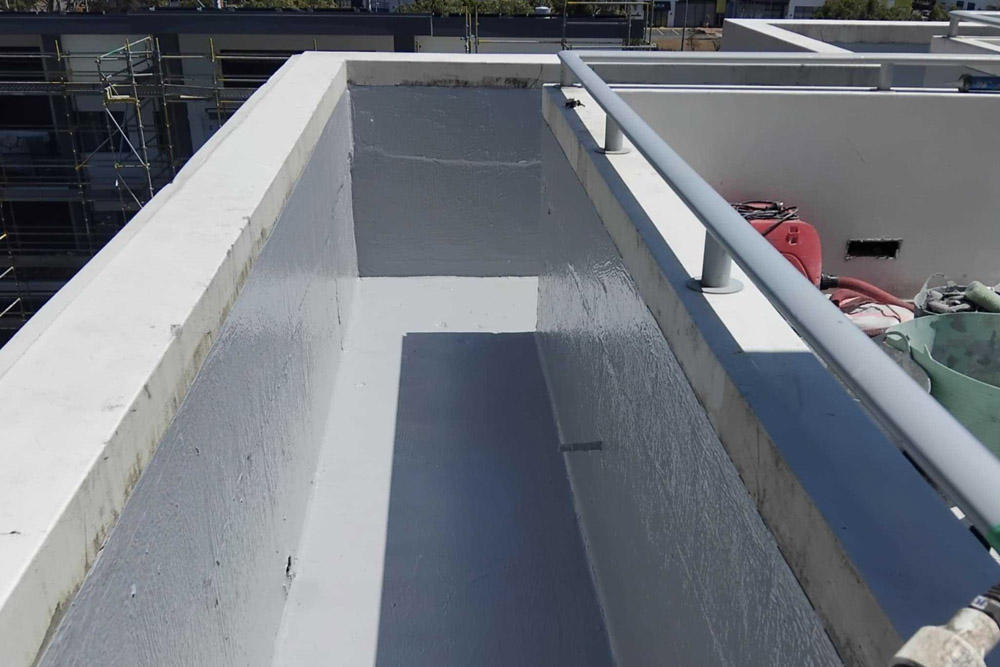
Exterior Waterproofing Inspection Checklist
- Check for cracked or displaced roof tiles
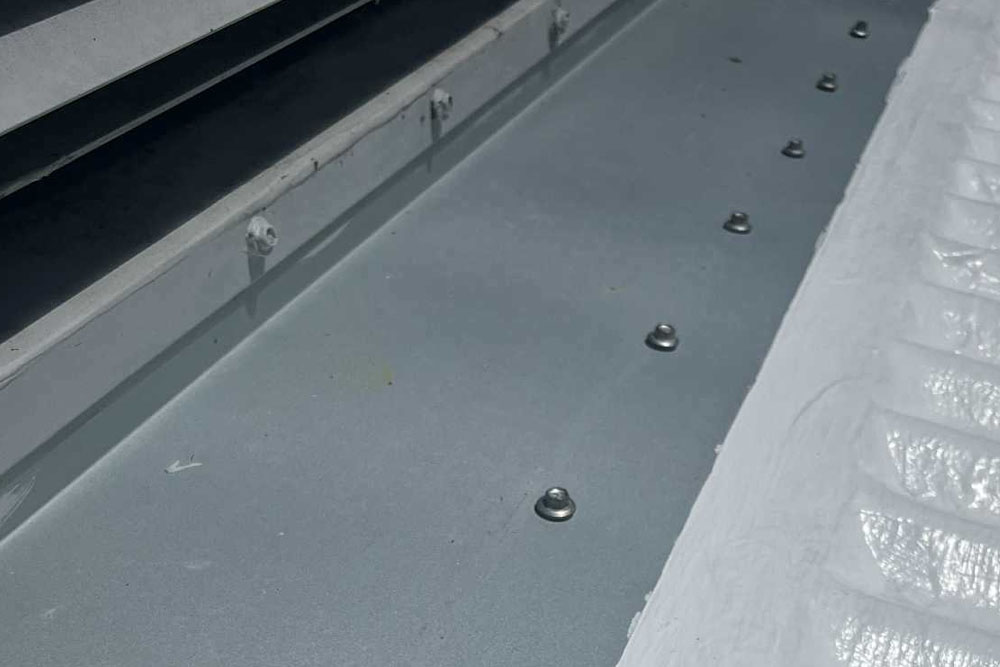
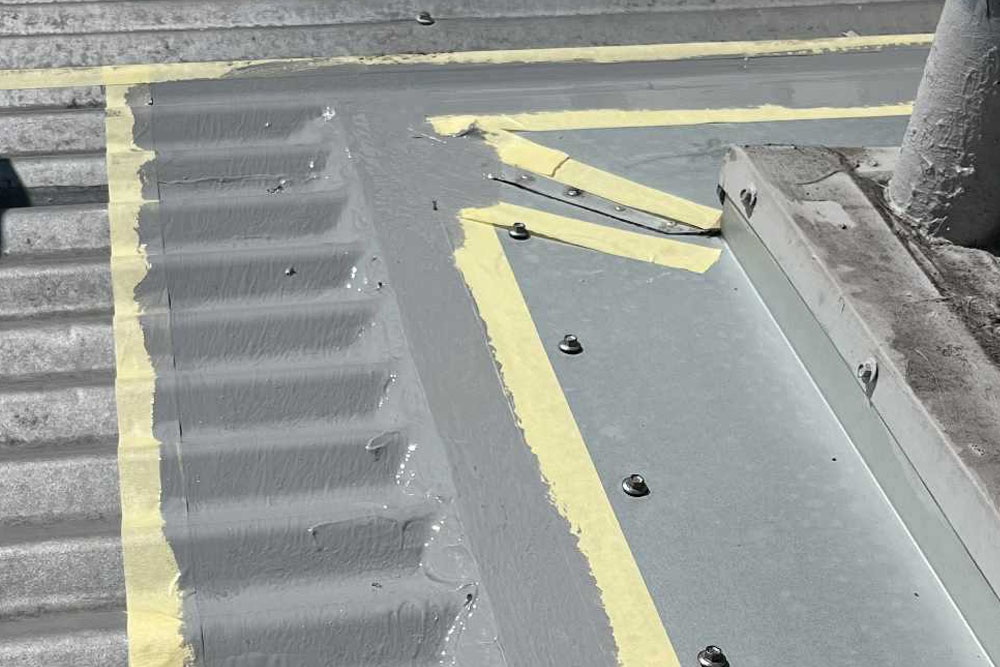
- Inspect metal roofing for rust, loose fixings, or failed flashings
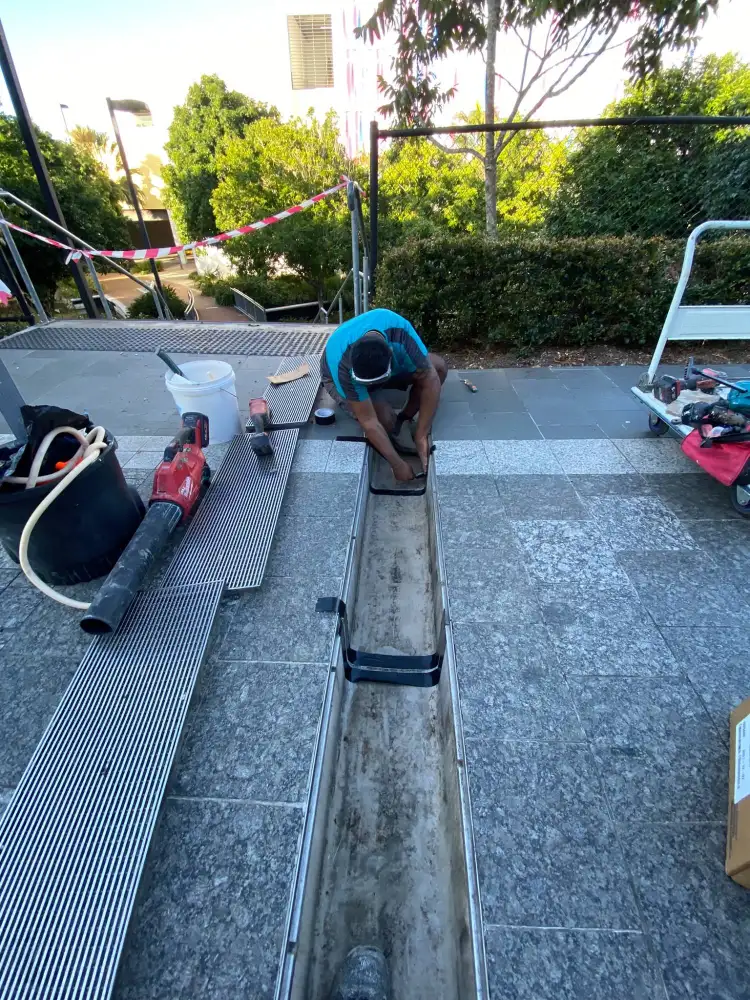
- Ensure gutters and downpipes are clear and directing water away from foundations
- Look for cracks in render or masonry
- Check weep holes are clear and unobstructed
- Inspect around windows and doors for failing seals
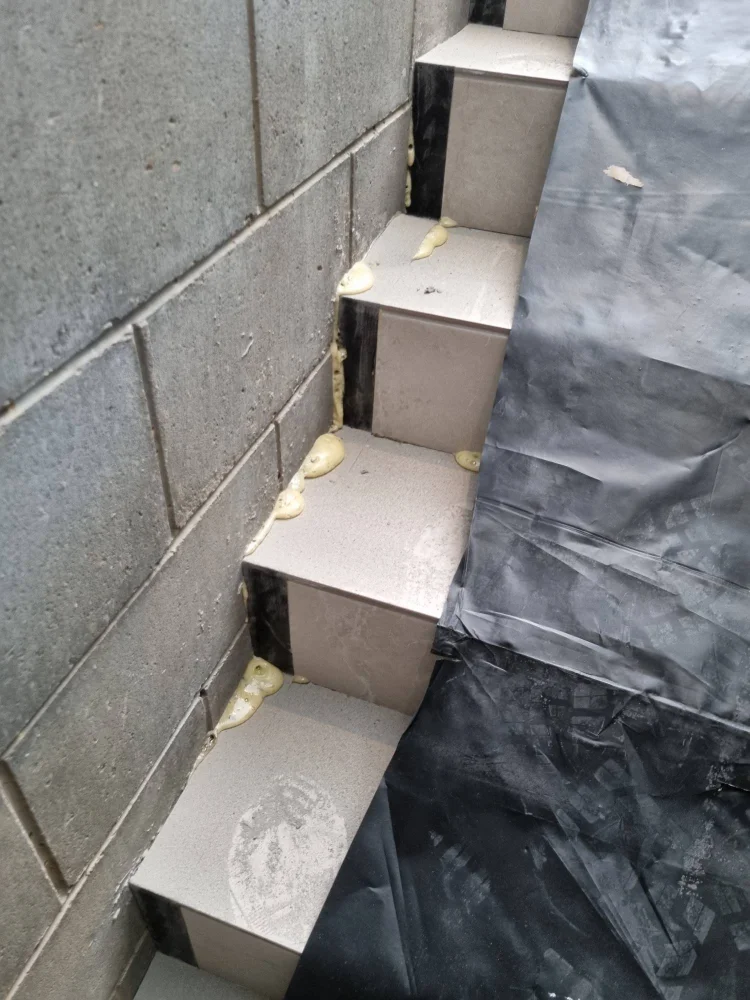
- Look for lifting tiles, cracked grout, or pooling water
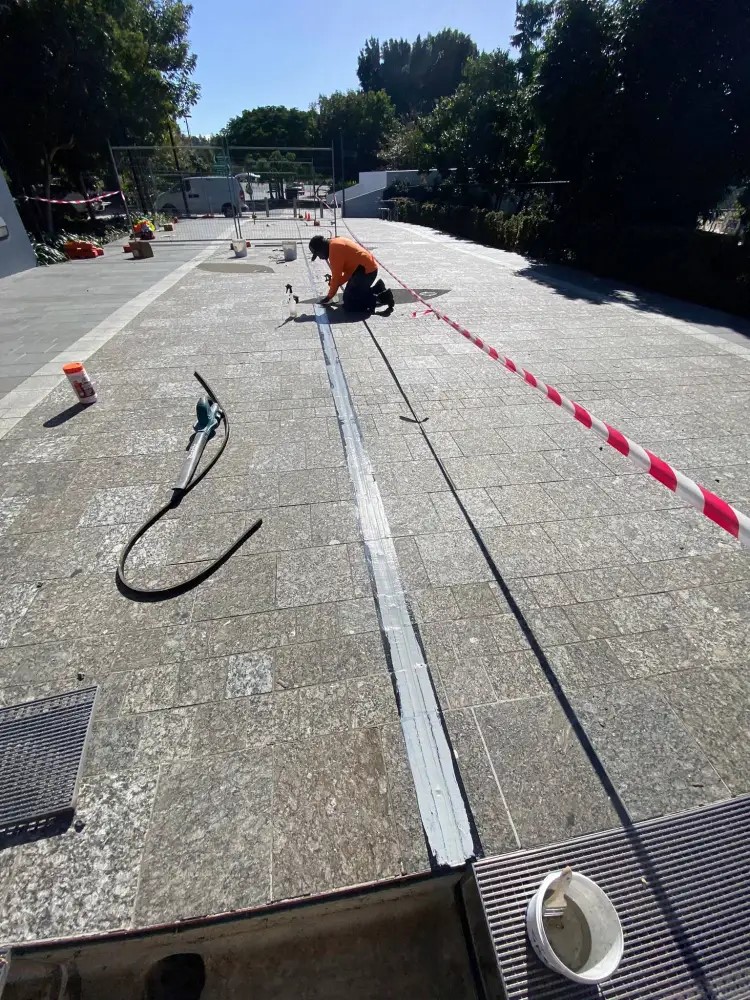
- Check waterproof membrane edges and drainage outlets
- Inspect timber decks for rot or soft spots
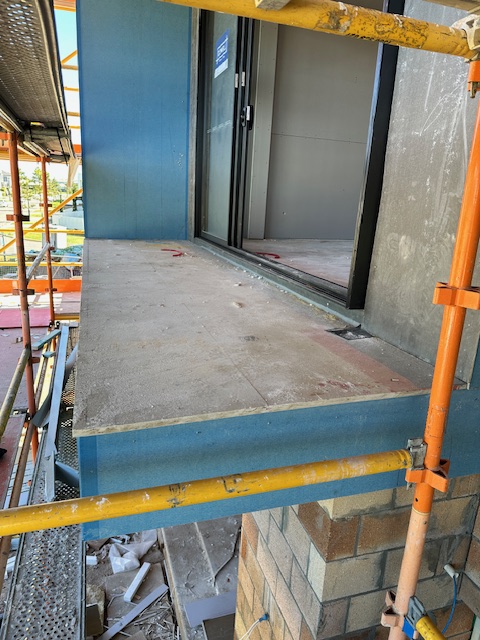
Balconies are a common leak source in Brisbane homes and often require waterproofing specialist.
Interior Waterproofing Inspection Checklist
Bathrooms & Ensuites
- Check grout lines for cracking or deterioration
- Inspect silicone seals around showers, baths, and vanities
- Look for water stains on ceilings below bathrooms
- Test shower bases for movement or flex
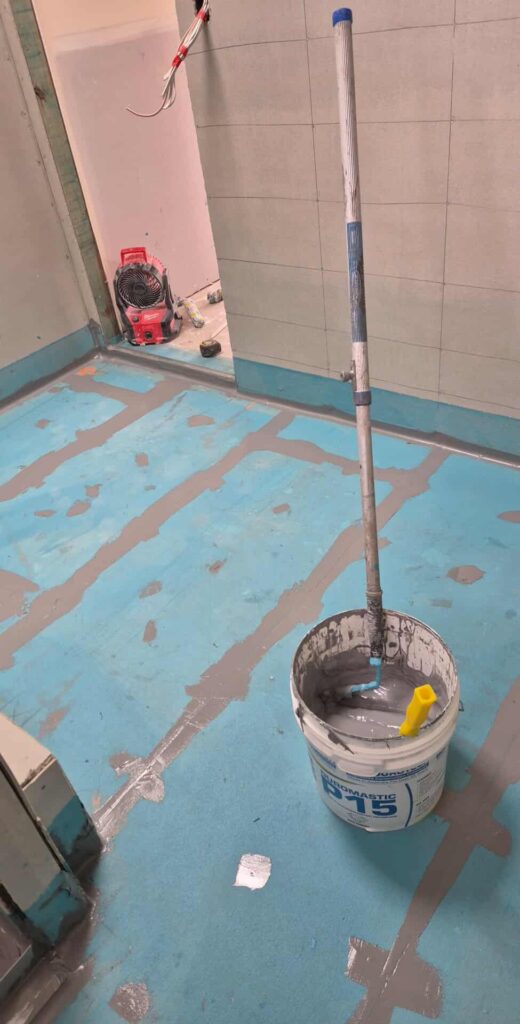
Residential bathrooms waterproofing must comply with Australian Standards (AS 3740). Any failure in membranes or seals can allow water to escape beneath tiles.
Laundries
- Inspect floor wastes and drainage falls
- Check waterproofing behind washing machines and tubs
- Look for bubbling paint or swelling skirting boards
Kitchens
- Check under sinks and dishwashers for moisture
- Inspect splashback seals and benchtop joins
Subfloor, Basement Foundation & Slab Areas
- Look for damp smells or visible mould
- Check for efflorescence (white powder) on concrete walls
- Inspect slab edges for cracking or moisture ingress
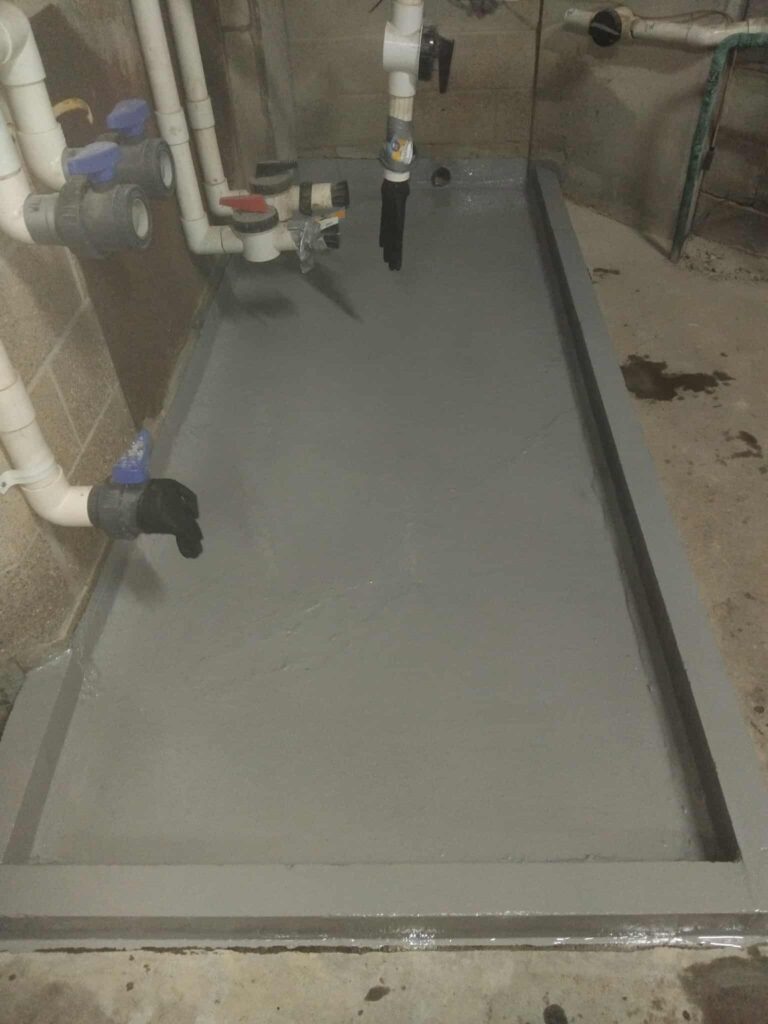
Poor subfloor waterproofing can compromise the entire structure if left untreated.
Signs You May Need Professional Waterproofing Services
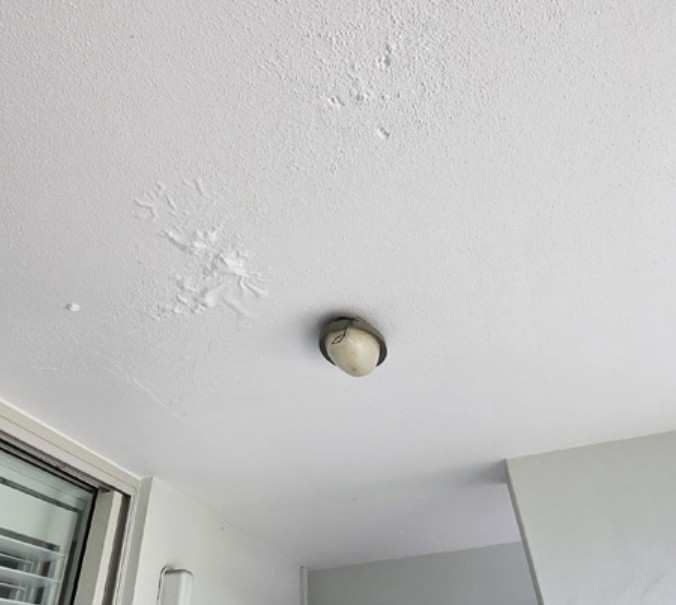
Bubbling Paint or Peeling Wallpaper: This occurs when moisture is trapped behind the surface layer of the wall. In Brisbane, this is common on the reverse side of shower walls.
Efflorescence: A white, powdery, or crystalline substance on masonry or grout lines. It is caused by water dissolving salts within the concrete or mortar and depositing them on the surface as it evaporates.
Mould and Mildew: Persistent black or green spotting in corners, along baseboards, or on ceilings—especially if it returns shortly after cleaning.
Tile Damage: Cracked, loose, or “drummy” (hollow-sounding) tiles in wet areas often indicate that the adhesive has failed due to constant moisture.
Musty Odors: A rising damp or earthy smell is a primary indicator of trapped moisture and active fungal growth within wall cavities or subfloors.
Swelling Timber: Doors that suddenly stick, windows that are hard to open, or skirting boards that appear “wavy” are signs that the wooden house frame is absorbing water.
Discolored Grout: Grout that has turned dark brown or black and stays that way even when dry suggests the bedding layer underneath is saturated.
External Staining: Water marks or “tears” on the outside of the building or the underside of a balcony (soffit) indicate a failure in the external waterproof barrier.

How Often Should Brisbane Homeowners Inspect Waterproofing?
- Annually for general checks
- Before and after major storms
- Prior to renovations or property sales
Regular inspections help avoid emergency leak repairs and extend the life of your waterproofing systems.
Protect Your Home with Proactive Residential Waterproofing details
Proactive maintenance is the key to a resilient home. Using this checklist can help Brisbane homeowners catch problems early, but waterproofing specialist is essential for lasting protection. Quality residential waterproofing in Brisbane or Gold Coast not only prevents leaks — it safeguards your home’s value, safety, and comfort.
If you suspect outdoor and indoor residential waterproofing issues, arrange an inspection with professional waterproofer and address repairs before minor moisture turns into major damage.