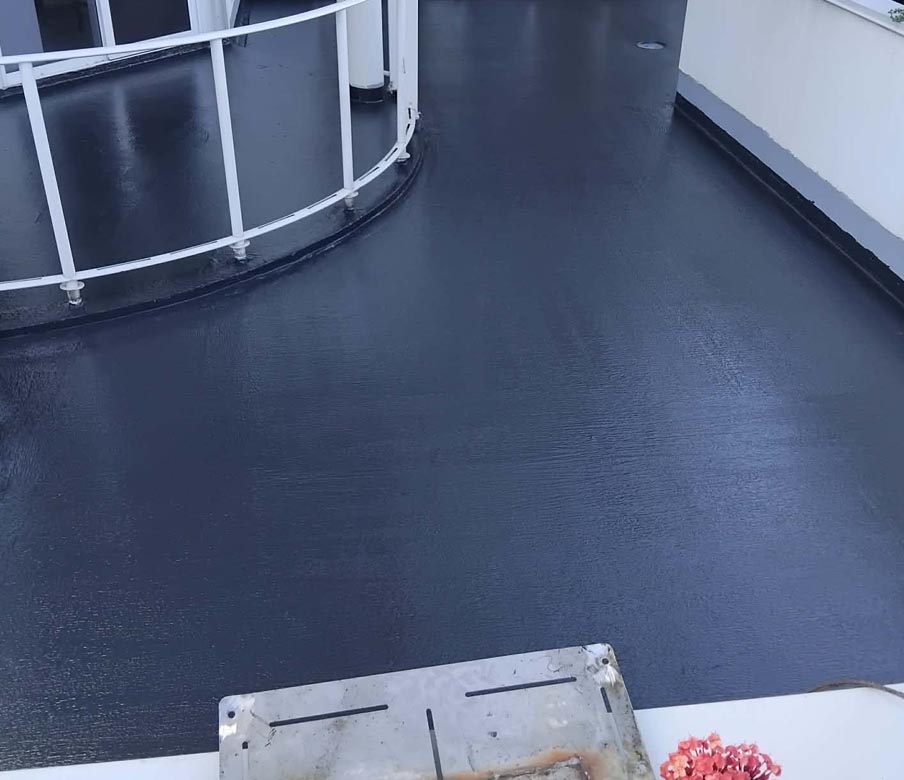

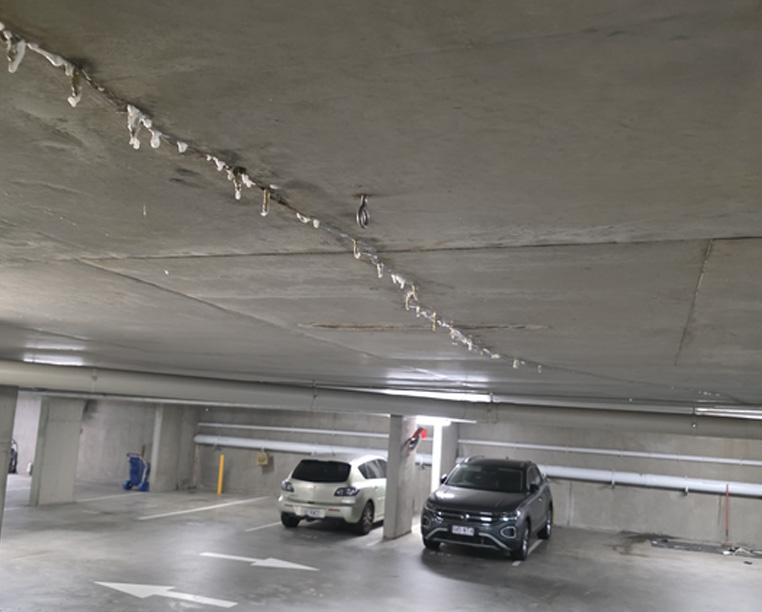
Concrete slab injection, also known as polyurethane foam injection, is an effective solution for concrete crack repair where cracking is linked to slab movement, soil voids, or loss of support beneath the concrete. By injecting expanding polyurethane foam beneath the slab, the process helps fill voids, stabilise the concrete, and reduce further movement that can cause cracks to widen or return.
This method is precise, minimally disruptive, and fast-curing, making it suitable for repairing cracked concrete slabs while also addressing the underlying support issues that often contribute to cracking.
Faster and More Precise Levelling
Concrete slab injection or polyurethane foam injection uses expanding polyurethane foam injected beneath the slab through small drilled holes. The foam expands quickly and evenly, allowing technicians to carefully control the lift in real time.
Mudjacking relies on pumping a heavy cement-based slurry under the slab, which can be harder to control and may lead to uneven results.
For commercial spaces, driveways, or logistics warehouses, downtime equals lost revenue.
Mudjacking slurry requires 24 to 72 hours of curing time before it can bear the weight of vehicular traffic or heavy machinery.
Polyurethane foam undergoes its full chemical reaction and reaches 90% of its ultimate compressive strength within 15 to 30 minutes. The area can be opened to full heavy traffic immediately after the technicians pack up their equipment.
Lightweight Material Reduces Future Settling
One of the biggest drawbacks of mudjacking is the weight of the material itself. The slurry used in mudjacking is heavy, which can place additional pressure on already unstable soil.
Polyurethane foam injection for foundation repair is extremely lightweight while still providing strong support. This helps minimise the risk of future sinking or soil compression.
Longer-Lasting Results
Slab injection foam is water-resistant and does not break down easily over time. It fills voids, stabilises the soil, and creates a durable foundation beneath the concrete.
Mudjacking materials can absorb moisture, erode, or wash out over time — especially in areas prone to heavy rain, poor drainage, or soil movement.
Minimal Disruption and Faster Cure Time
- Polyurethane slab injection is a much cleaner and faster process:
- Smaller injection holes
- Less mess on-site
- Minimal downtime
- Ready for traffic within hours in most cases
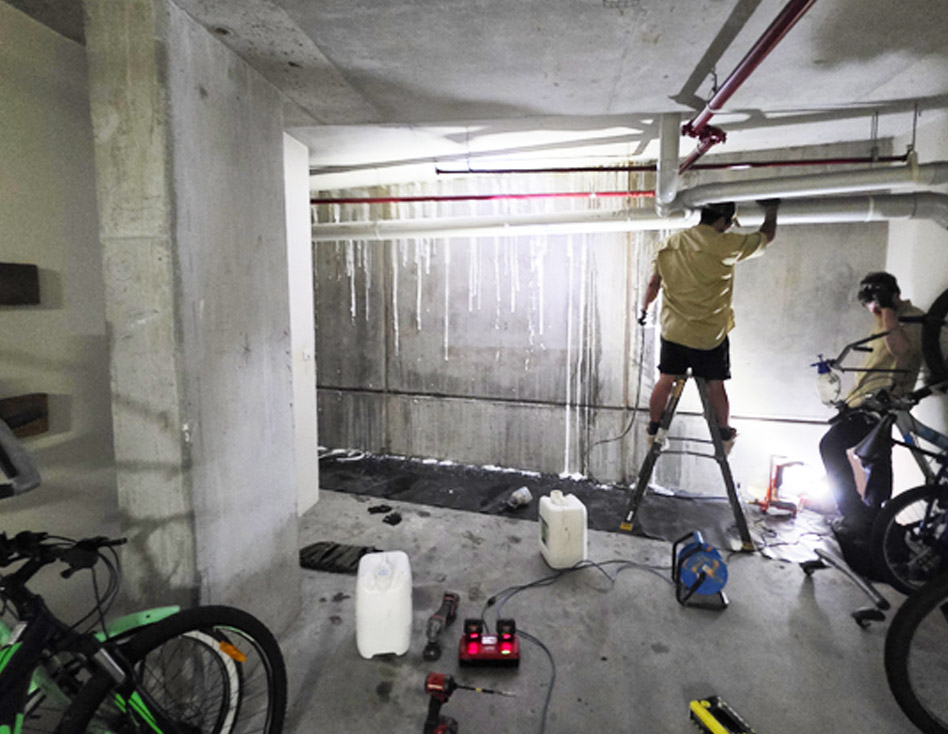
Smaller drill holes Injection holes are just 5/8 inch wide, leaving a cleaner finish. Mudjacking requires 1–2 inch holes that are more noticeable.
Better for Residential and Commercial Applications
Concrete slab injection or foundation repair works well for:
- Driveways
- Footpaths
- Garage floors
- Warehouse slabs
- Pool surrounds
- Patios and outdoor areas
Because it’s highly accurate, it’s also ideal where precision leveling matters.
Concrete Slab Injection Cost and Lifespan
| Mudjacking | $500–$1,500 | 5–10 years | 1–2 inches | 24–48 hours |
| Slab Injection | $800–$2,500 | 10–20+ years | 5/8 inch | ~15 minutes |
Improved Moisture Resistance
In coastal areas like the Gold Coast, moisture and soil movement are common causes of slab settlement. Polyurethane injection performs particularly well in these conditions because the foam resists water infiltration and helps stabilize weak ground beneath the slab. Foam is waterproof and resists erosion, while mudjacking slurry can wash out in wet conditions.
Is Mudjacking Still Used?
Mudjacking can still be suitable for some large-scale or budget-focused projects, but many homeowners and contractors now prefer slab injection because it delivers:
Longer-lasting performance
Faster installation
Better accuracy
Reduced future settlement risk
Less disruption to the property
For most modern concrete levelling projects, polyurethane slab injection is considered the more advanced and reliable solution.
Conclusion
Concrete slab injection offers a longer-lasting, cleaner, and more precise solution compared to mudjacking. While the initial investment is higher, the benefits—fast curing, minimal disruption, and superior durability—make it the smarter choice for homeowners and businesses seeking permanent results.
Related post:
- Why Ignoring Mould Under Carpet Leads to Expensive Rising Damp Repairs
- How a SS Remedial Foundation Specialist for Wall Cracks Prevents Future Damage
- Efflorescence on Concrete and Brick: Causes, Effects, and Solutions
- The Hidden Link Between Mould on Bedroom Walls and Rising Damp Problems
- Why Coombabah Owners & Builders Trust SS Remedial Waterproofing Experts
Related topics:
- Resin Crack Injection vs. Epoxy Concrete Patching
- Polyurethane Crack Injection Brisbane & Gold Coast, QLD
- Signs of Concrete Cracks in Your Home: Causes, Meaning, and Solutions